language
 English
 русский
 Español
 عربى
عربى
 中文简体
中文简体
Content
- 1 Understanding the Enemy: What Causes Furnishings to Fade?
- 2 What is PVB Sound Insulation Interlayer Film?
- 3 The Direct Link: PVB Interlayers and Fade Reduction
- 4 Maximizing Fade Protection: PVB as Part of a System
- 5 Practical Considerations and Comparisons
- 6 Conclusion: A Significant Help, Within Context
For homeowners, architects, and interior designers, preserving the vibrant colors and integrity of interior furnishings—from fine art and fabrics to wooden floors and leather sofas—is a constant concern. Sunlight, while desirable for its warmth and ambiance, is a primary agent of deterioration. In the quest for solutions, sound insulation interlayer films, particularly those made from Polyvinyl Butyral (PVB), have gained popularity for their acoustic and safety benefits in laminated glass. This leads to a pertinent question: Can the same PVB interlayer that quiets street noise also protect your interior investments from fading?
Understanding the Enemy: What Causes Furnishings to Fade?
To assess any solution, we must first understand the problem. Fading, or colorfastness loss, is primarily a photochemical process driven by the ultraviolet (UV) and, to a lesser extent, visible light components of sunlight.
- Ultraviolet (UV) Radiation: The primary culprit. High-energy UV photons (both UV-A and UV-B) break down the chemical bonds in dyes, pigments, and the materials themselves (like wood fibers or fabric polymers). This causes colors to bleach, materials to become brittle, and surfaces to degrade.
- Visible Light and Infrared (IR) Radiation: While less energetic than UV, prolonged exposure to intense visible light can also cause fading, particularly in sensitive materials like watercolors and certain dyes. IR radiation contributes primarily to heat buildup, which can accelerate chemical degradation and cause materials to expand and contract, leading to stress.
- Other Factors: Heat and humidity act as catalysts, speeding up the photochemical reactions initiated by light.
Therefore, an effective anti-fade strategy must address UV radiation first and foremost, with additional benefits gained from managing visible light and heat transmission.
What is PVB Sound Insulation Interlayer Film?
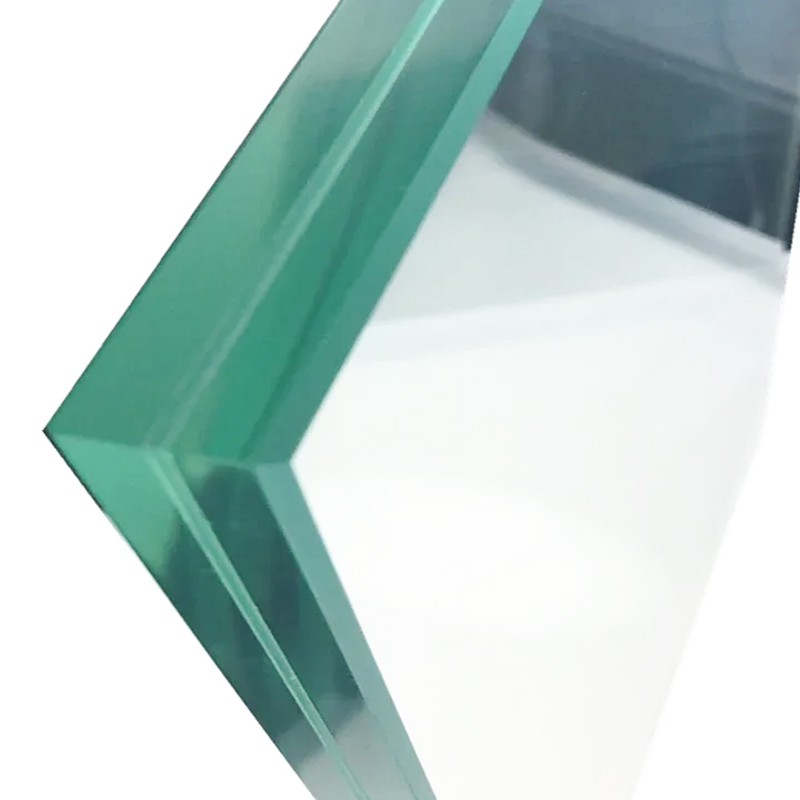
PVB is a resin film primarily used to laminate glass. Sandwiched between two or more panes of glass and bonded under heat and pressure, it creates a strong, safe composite. If broken, the glass fragments adhere to the PVB, preventing dangerous shards. Its key features include:
- Sound Insulation: The PVB layer acts as a dampening core, converting sound wave energy into a tiny amount of heat, thereby reducing the transmission of medium to high-frequency noise (like traffic, voices, and sirens).
- Safety & Security: Provides impact resistance and holds glass in place.
- Basic UV Blocking: Standard clear PVB films inherently block over 99% of UV radiation below 380 nm. This is a fundamental property of the material, not a special additive.
It is crucial to distinguish standard PVB from specialty films. The market offers enhanced interlayers like SentryGlas® (SGP), Ethylene-Vinyl Acetate (EVA), and acoustically enhanced PVB with added dampening cores. Most relevant to fading are spectrally selective or low-emissivity (Low-E) laminated glass units, which often combine PVB with coated glass to manage solar heat gain and light transmission.

The Direct Link: PVB Interlayers and Fade Reduction
So, does using a standard PVB interlayer help? Yes, unequivocally, but with important caveats regarding its scope and degree of effectiveness.
How PVB Contributes to Fade Protection:
- Near-Total UV Blockade: The most significant benefit. By blocking over 99% of damaging UV radiation, a PVB-laminated window drastically reduces the primary driver of photochemical fading. Any furnishing—a sofa, rug, or wood table—behind such glass will experience dramatically slower color degradation compared to being behind single-pane or even standard dual-pane glass (which blocks about 60-75% UV due to glass alone).
- Reduction in Visible Light Transmission (VLT): While standard clear PVB has a high VLT, the lamination process itself can slightly reduce overall brightness. Furthermore, tinted or colored PVB interlayers (grey, bronze, green) are available to significantly reduce glare and visible light ingress. Since visible light contributes to fading, reducing its intensity provides an additional layer of protection.
The Limits of Standard PVB:
- It is Not a “Fade-Proof” Solution: PVB primarily attacks the UV problem. It does not inherently filter specific wavelengths of visible light most responsible for fading. For ultimate protection, control of the entire solar spectrum is needed.
- Heat Management is Secondary: Standard PVB is not designed to reflect solar heat (infrared radiation). Heat buildup behind the glass can still occur, contributing to thermal degradation. This is where dedicated Low-E coatings on the glass itself become critical.
- Material Sensitivity Varies: PVB’s protection is a universal reduction of attack, not a complete shield. Extremely fade-sensitive materials (e.g., archival documents, historic textiles) will still require additional measures like curtains, UV-filtering window treatments, or museum-grade glazing.
Maximizing Fade Protection: PVB as Part of a System
For those specifically designing to protect interiors, PVB is best viewed as a powerful component within a broader glazing strategy. Here’s how it integrates:
- PVB + Low-E Coated Glass: This is a highly effective combination. The Low-E coating on the glass reflects infrared heat, reducing thermal load and further protecting furnishings from heat-related damage. Some spectrally selective Low-E coatings also help manage visible light.
- PVB + Tinted or Reflective Glass: Using tinted glass lamination further reduces visible light and solar heat gain, enhancing fade protection at the cost of some outward clarity and brightness.
- Specialty Interlayers: Some manufacturers produce PVB-type interlayers with enhanced UV absorbers or specific spectral filtering properties aimed at conservation.
Practical Considerations and Comparisons
- Cost vs. Benefit: Adding a PVB interlayer for sound insulation also provides excellent UV protection as a valuable “two-for-one” benefit. If sound is already a primary concern, the fade protection is a significant bonus. If fade protection is the sole goal, alternative approaches (window films, treatments) might be more cost-effective.
- Compared to Aftermarket Window Films: Professionally applied window films can offer similar UV blockage. However, laminated glass with PVB is a permanent, durable part of the window assembly with additional safety and acoustic benefits, and no risk of peeling or bubbling over time.
- Compared to Curtains/Blinds: PVB works continuously without user intervention, protecting even when blinds are open. For maximum protection, combining PVB glazing with periodical use of window coverings during peak sun hours is ideal.
Conclusion: A Significant Help, Within Context
Using PVB sound insulation interlayer film does help substantially with reducing the fading of interior furnishings, primarily through its excellent inherent blockade of ultraviolet radiation.
However, it is vital to avoid exaggerating its role. It is not a magic bullet but a highly effective foundational layer of defense. For the homeowner installing new windows in a noisy area, specifying PVB laminated glass provides a superb package of safety, noise reduction, and a major boost in fade protection for their interior investments.
For the architect designing a sun-drenched museum atrium or a luxury residence with priceless art, PVB will be one specified component within a meticulously engineered glazing system, likely incorporating Low-E coatings and careful light management to achieve precise conservation-grade results.
In summary, if you are considering PVB for sound, you can confidently value its anti-fade properties. If you are seeking anti-fade solutions, PVB laminated glass is a robust, permanent, and multi-beneficial option worthy of serious consideration, especially when paired with other spectral-control technologies. By understanding its precise mechanisms and limits, you can make an informed decision that truly protects the beauty and longevity of your interior space.