language
 English
 русский
 Español
 عربى
عربى
 中文简体
中文简体

Content
- 1 How the Jade Sand Texture Alters Surface Physics
- 2 Dual Role in Photovoltaic Module Manufacturing
- 3 Architectural and Decorative Laminated Glass Advantages
- 4 Setting Lamination Parameters for Reliable Results
- 5 Comparing Material Aging and Durability
- 6 Key Selection Criteria for Processors
- 7 A Direct Processing and Specification Summary
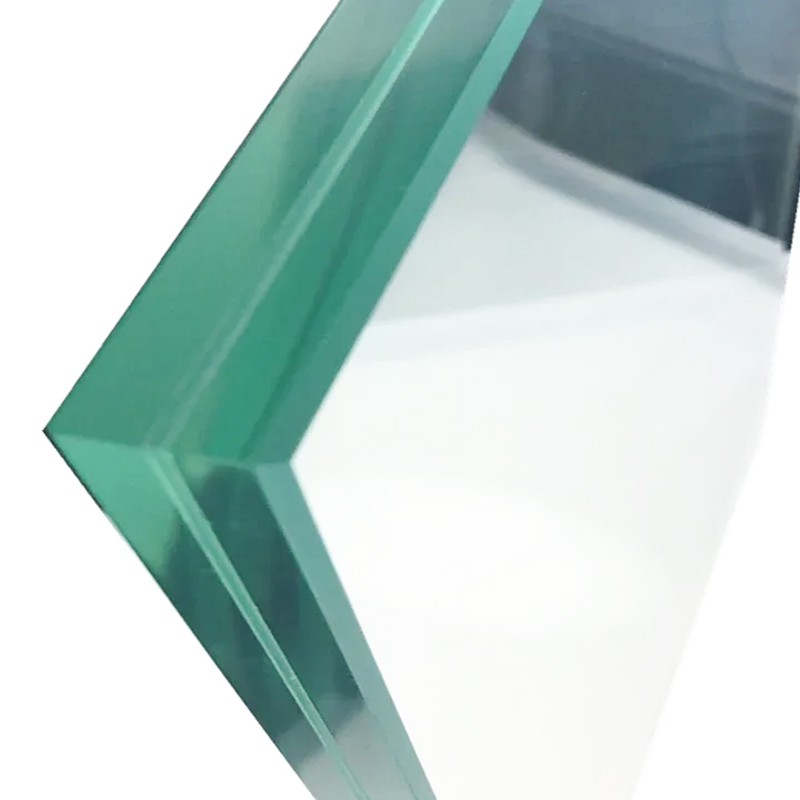
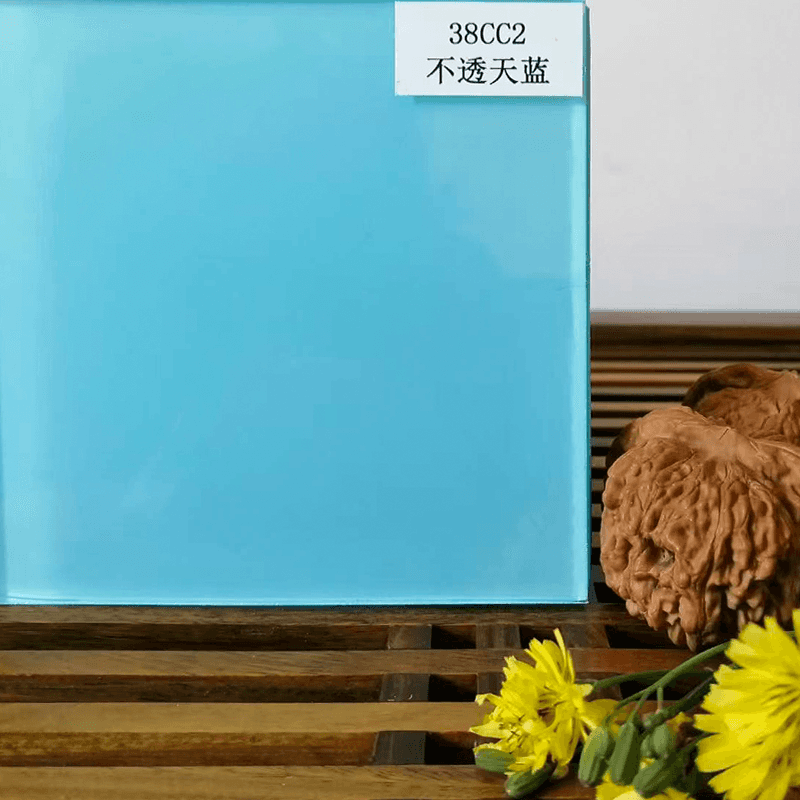
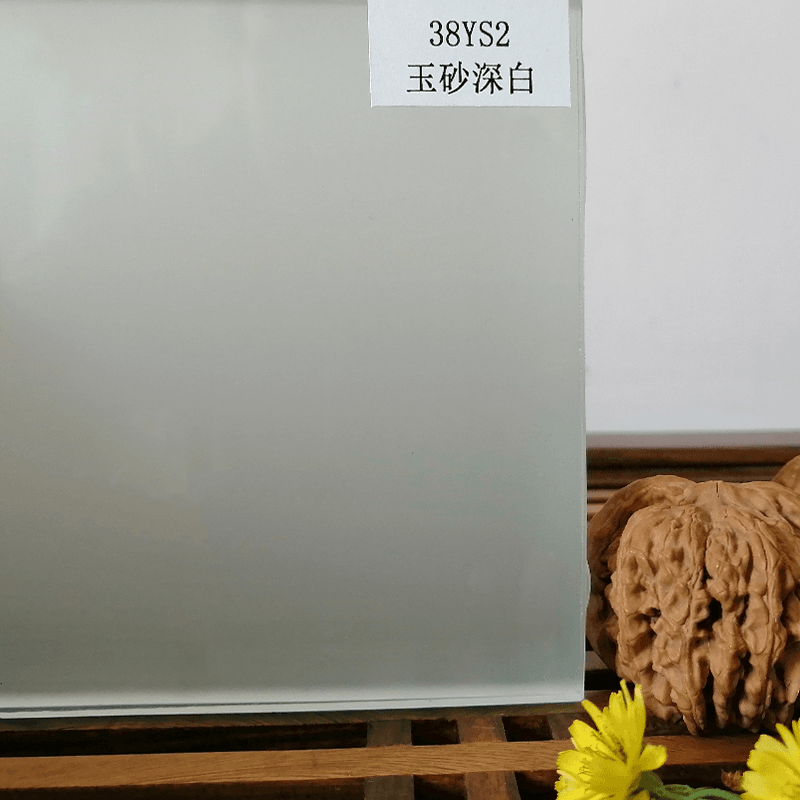
EVA Jade Sand Film is a specialized ethylene-vinyl acetate copolymer film characterized by a unique matte, sand-textured surface finish. Its primary value lies in eliminating glare, providing excellent non-slip properties, and enabling a clean, modern aesthetic without secondary surface treatments. It is widely adopted in two distinct high-performance fields: as a functional encapsulation layer for photovoltaic modules and as a decorative texturing agent in laminated glass.
The material works by modifying the surface texture of a standard EVA film during the extrusion or calendaring process, creating microscopic peaks and valleys that scatter light. This eliminates the glossy reflection of conventional films, making it an immediate solution for industries needing diffusion combined with durability.
How the Jade Sand Texture Alters Surface Physics
The defining feature is an embossed or chemically etched "jade sand" pattern on one or both sides of the film. Unlike smooth EVA, which reflects light directionally, the roughened surface scatters incoming light across a wider angle. This diffusion is critical in laminated glass, where it obscures the visibility of objects behind the glass while maintaining high light transmission. A standard clear EVA film might have a haze value below 5%, but a jade sand variant typically achieves a haze level between 70% and 90%, effectively turning transparent glass into a translucent privacy barrier.
The surface structure also introduces a mechanical locking mechanism. When used in solar panels, this texture provides a controlled surface roughness that aids in degassing during the vacuum lamination process. The network of micro-channels allows trapped air to escape more efficiently than smooth films, reducing the risk of edge bubbles and delamination in the final module.
Dual Role in Photovoltaic Module Manufacturing
In solar energy, this film is frequently specified as the rear encapsulation layer or the front layer for specific high-efficiency cells. Its application addresses optical loss and manufacturing yield.
Enhancing Light Trapping in Cut-Cell Modules
For bifacial modules or shingled cell designs using cut cells, the gaps between cells are inactive zones. When a white or highly reflective jade sand film is applied to the backsheet side, the textured surface acts to refract and reflect light that hits these gaps back into the active cell area. Research on similar textured backsheets indicates a possible module power gain of 2 to 5 watts at the panel level, driven purely by improved internal light recycling in the 600-1000 nm wavelength range.
Reducing Glue Overflow in Assembly
A practical shift among module makers is using the textured surface against the glass. The uneven relief breaks the capillary action that draws molten EVA out of the laminate stack during heating. This results in cleaner edges and a 10% to 15% reduction in trimming waste tape usage, a direct material cost saving in automated production lines.
Architectural and Decorative Laminated Glass Advantages
The separation from photovoltaic-grade film lies in formulation clarity, optical criteria, and aging resistivity. Decorative jade sand film prioritizes aesthetic consistency and optical control.
Precision Optical Control for Design Specificity
Manufacturers can calibrate the film’s visible light transmission by adjusting the pressure pattern depth and compound formulation. The following table illustrates the relationship between haze level and transmittance in a typical 0.38mm thick decorative film configuration:
| Haze Level Classification | Light Transmittance | Typical Application |
|---|---|---|
| High Haze | 80% | Privacy partitions |
| Medium Haze | 88% | Shower enclosures |
| Light Diffusion | 91% | Balustrades and stair panels |
A light diffusion grade with 91% transmittance nearly matches standard clear EVA for brightness but still hides fingerprints and substrate imperfections exceptionally well. This makes it a direct substitute for acid-etched glass, yielding similar visual results with better safety glass bonding in a single lamination step.
Maintaining Post-Cure Visual Uniformity
A common defect in lower-quality textured films is "washout," where the pattern becomes locally transparent under uneven pressure in an autoclave or oven. Proper jade sand films use a crosslinking system designed to lock in the surface topography before the polymer fully flows. Quality grades hold at least 95% of their initial haze after a standard 135°C, 15-minute curing cycle, ensuring that a door panel does not show glossy spots near the edges where heat transfer peaks.
Setting Lamination Parameters for Reliable Results
Processing the film requires subtle but critical adjustments compared to standard thermoplastic films. The sand texture physically resists the collapse of air channels, demanding a deliberate approach to vacuum and temperature profiles.
Optimizing the Vacuum Cycle for Air Evacuation
In a standard lamination process, air escapes from the edges of the glass stack. With a jade sand film, the interconnected surface channels provide additional escape paths from the center outward. To exploit this fully without trapping air at the edges, the vacuum hold step at 60°C to 80°C should be extended by 2 to 4 minutes relative to a smooth film. A typical protocol for a 2.5 square meter sheet using a 0.50mm film uses a 6-minute vacuum hold at 75°C before the press stage engages. Units processed under such adjusted cycles consistently show zero bubbles in edge peel tests.
Balancing Pressure Against Pattern Integrity
The film must not be over-pressed, which compresses the jade sand texture into a smooth, high-gloss finish. During the peak temperature soak, chamber pressure should be maintained at a lower bound of 0.5 to 0.65 bar for pneumatic systems. Higher pressures can destroy the texture permanently within the first minute of full melt. The outcome is a cured laminate that retains its visual matte texture while achieving a peel strength exceeding 40 N/cm² with standard float glass.
Comparing Material Aging and Durability
Long-term performance varies significantly based on the formulation’s resistance to ultraviolet radiation and moisture. The encapsulation grade includes UV absorbers that cut radiation below 360 nm, effectively protecting the underlying solar cell or a printed interlayer. An aging test under 85°C and 85% relative humidity for 1500 hours normally produces a yellowness index delta of less than 2.0 in properly stabilized jade sand films. Decorative grades can use a different stabilizer package that may trade some UV blocking ability for long-term browning resistance, which is essential in backlit bathroom panels where even a slight yellow shift would ruin the design. The specific data for degradation rate shows a 1.5% transmittance loss maximum after 2000 hours of damp heat exposure for the top-tier photovoltaic film types.
Key Selection Criteria for Processors
A matching strategy connects the film precisely to the end-product requirements instead of assuming universal applicability.
- VA content check: High VA content of 28% to 33% gives better flow and adhesion, suitable for decorative glass with no performance grade requirements. Lower VA content around 24% to 26% yields higher volume resistivity, critical for solar module safety certification.
- Gel content specification: This validates how much polymer has crosslinked. An acceptable range after curing is 75% to 90%. A gel content below 70% means the film remains thermoplastic, leading to creeping failure in overhead glazing. Above 92% can indicate over-curing and embrittlement near edges.
- Storage and conditioning: The textured surface readily absorbs moisture from ambient air. The material must be stored in a climate-controlled environment at 10°C to 25°C with relative humidity below 40%. Opening a vacuum-sealed pack and leaving it exposed for 4 hours at 60% relative humidity can increase moisture content to levels that generate steam bubbles during lamination.
A Direct Processing and Specification Summary
EVA Jade Sand Film replaces mechanical surface etching and coated diffusion films with a single-layer multifunctional material. Its utility in solar modules as a light management and process aid film has been measured in clear power gains and reduced scrap from glue overflow. In architecture, it achieves an aesthetic and privacy function while reducing the lifetime cost relative to multi-step acid-etching and lamination workflows. Processors who extend the vacuum stage and cap the mechanical pressure at 0.65 bar during cure can expect visually uniform textured surfaces, and those selecting photovoltaic-grade formulations with a VA content between 24% and 26% ensure long-term electrical isolation. The primary technical boundary is a moisture must remain below 0.2% in the pre-lamination sheet, a single storage variable that largely defines the entire output quality of the final laminate.