language
 English
 русский
 Español
 عربى
عربى
 中文简体
中文简体
Content
- 1 Understanding EVA Film and Its Combining Purpose
- 2 Key Benefits of Combining EVA Film Layers
- 3 Common Applications That Rely on Combined EVA Film
- 4 Step-by-Step Process for Combining EVA Film Correctly
- 5 Recommended EVA Film Thickness Combinations
- 6 Common Problems When Combining EVA Film and How to Avoid Them
- 7 How to Choose the Right EVA Film for Combining Projects
- 8 Future Trends in EVA Film Combining Technology
Understanding EVA Film and Its Combining Purpose
EVA film, short for ethylene vinyl acetate film, is a thermoplastic material widely used for lamination, encapsulation, and bonding applications. Its ability to soften under heat and firmly bond surfaces after cooling makes it essential in safety glass, solar panels, decorative glass, and industrial laminates.
Combining EVA film refers to stacking, layering, or fusing multiple EVA sheets with materials like glass, fabric, metal mesh, photovoltaic cells, or printed films to create strong composite structures. Proper combining improves clarity, impact resistance, UV stability, and long-term durability.
Key Benefits of Combining EVA Film Layers
Using multiple EVA film layers instead of a single sheet offers better structural performance and product lifespan. Laminators often customize thickness and composition depending on the application.
- Improved bonding strength between glass or substrate layers
- Enhanced impact and shatter resistance
- Greater UV and moisture protection
- Controlled thickness for acoustic and thermal insulation
- Higher transparency when layered correctly
Common Applications That Rely on Combined EVA Film
Laminated Safety Glass
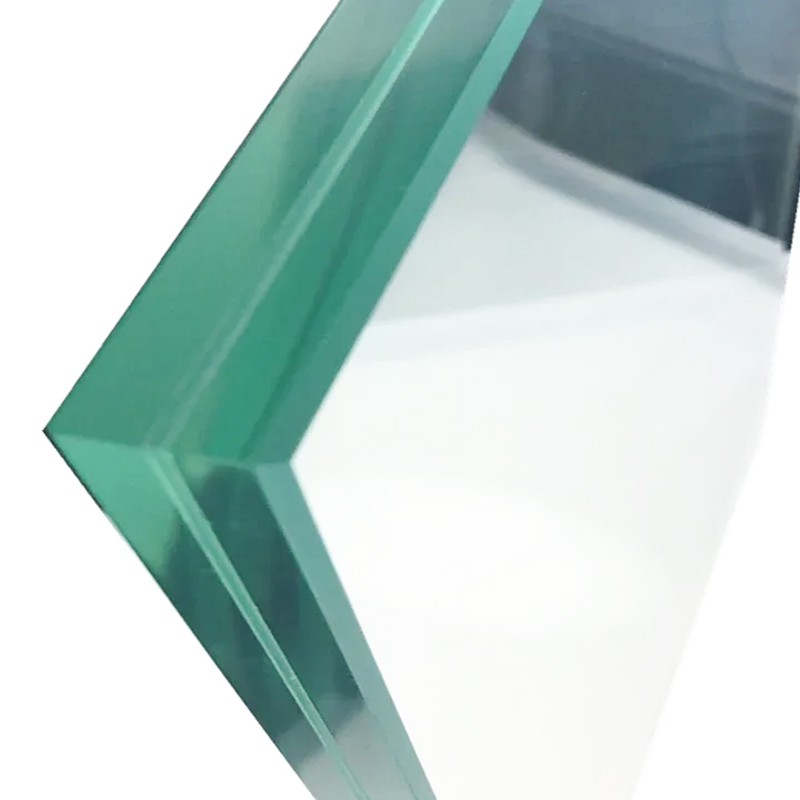
In architectural and automotive glass, EVA film layers bond multiple glass sheets into a single impact-resistant panel. When broken, shards remain adhered to the EVA interlayer, preventing injury and maintaining structural integrity.
Solar Panel Encapsulation
Photovoltaic modules rely on combined EVA film sheets to encapsulate solar cells between tempered glass and backsheet layers. This protects cells from moisture, dust, vibration, and UV exposure while allowing high light transmission.
Decorative and Smart Glass
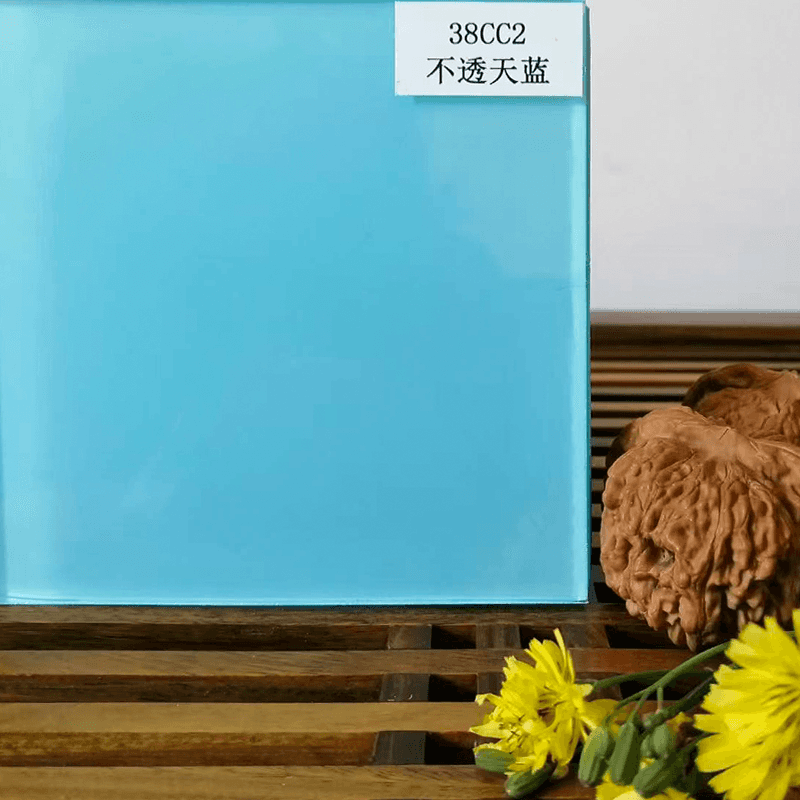
Designers embed fabrics, printed films, metal meshes, and smart switchable layers between EVA film sheets for custom laminated glass panels used in interiors, partitions, and facades.
Step-by-Step Process for Combining EVA Film Correctly
Successful EVA film lamination depends on precise layering, temperature control, and pressure management. Below is a commonly used professional workflow:
- Clean glass or substrate surfaces thoroughly to remove dust and oil
- Lay the first EVA film sheet evenly without wrinkles
- Place embedded materials or second glass layer on top
- Add additional EVA film layers if thickness is required
- Vacuum seal the stack to remove air bubbles
- Heat in lamination oven (120–150°C typically) until fully bonded
Recommended EVA Film Thickness Combinations
Selecting the right thickness improves both performance and cost efficiency. The following table shows typical EVA film stacking configurations:
| Application | Single Sheet Thickness | Combined Total |
| Decorative glass | 0.38 mm | 0.76 mm |
| Safety glazing | 0.76 mm | 1.52 mm |
| Solar panels | 0.45 mm | 0.90 mm |
| Sound insulation glass | 1.14 mm | 2.28 mm |
Common Problems When Combining EVA Film and How to Avoid Them
Bubble Formation
Air trapped between layers causes visible defects and weak bonding. Always use vacuum lamination and slow heating cycles to eliminate air pockets.
Poor Adhesion
Insufficient temperature or contaminated surfaces prevent full melting and bonding. Clean materials thoroughly and follow recommended heating profiles.
Yellowing Over Time
Low-quality EVA film lacks UV stabilizers. Choose UV-resistant EVA film for outdoor or sun-exposed applications like facades and solar modules.
How to Choose the Right EVA Film for Combining Projects
Not all EVA films perform the same. Selecting based on application conditions ensures lasting results.
- High-transparency EVA film for architectural and decorative glass
- UV-resistant EVA for outdoor glazing and solar panels
- High-adhesion EVA for metal mesh or fabric embedding
- Acoustic EVA for soundproof laminated glass
Future Trends in EVA Film Combining Technology
Manufacturers are developing smarter EVA films with enhanced optical clarity, faster curing times, and improved environmental resistance. Innovations include anti-fog EVA, self-healing layers, and hybrid interlayers combining EVA with PVB or TPU for specialized performance.
As demand for energy-efficient buildings and solar installations grows, combined EVA film solutions will continue expanding across construction, renewable energy, and advanced glass manufacturing industries.