language
 English
 русский
 Español
 عربى
عربى
 中文简体
中文简体
Content
- 1 Understanding PVB Glass Interlayer Film
- 2 Composition and Manufacturing of PVB Film
- 3 Key Performance Features of PVB Interlayer
- 4 Applications of PVB Glass Interlayer Film
- 5 Types of PVB Interlayer Films
- 6 Installation and Laminating Process
- 7 Maintenance and Longevity
- 8 Comparing PVB with Other Interlayers
- 9 Future Trends in PVB Film Technology
Understanding PVB Glass Interlayer Film
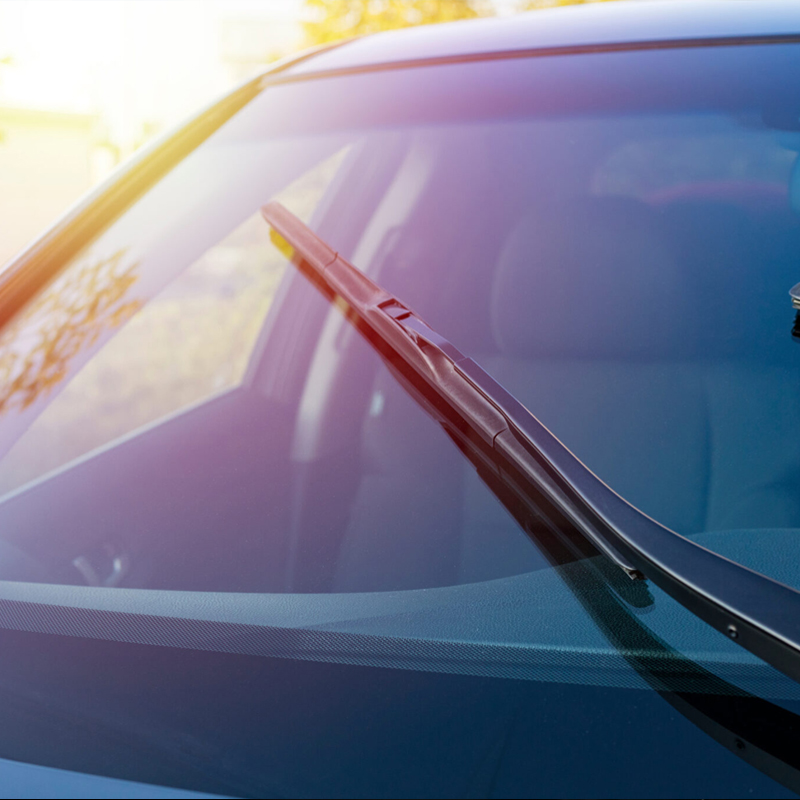
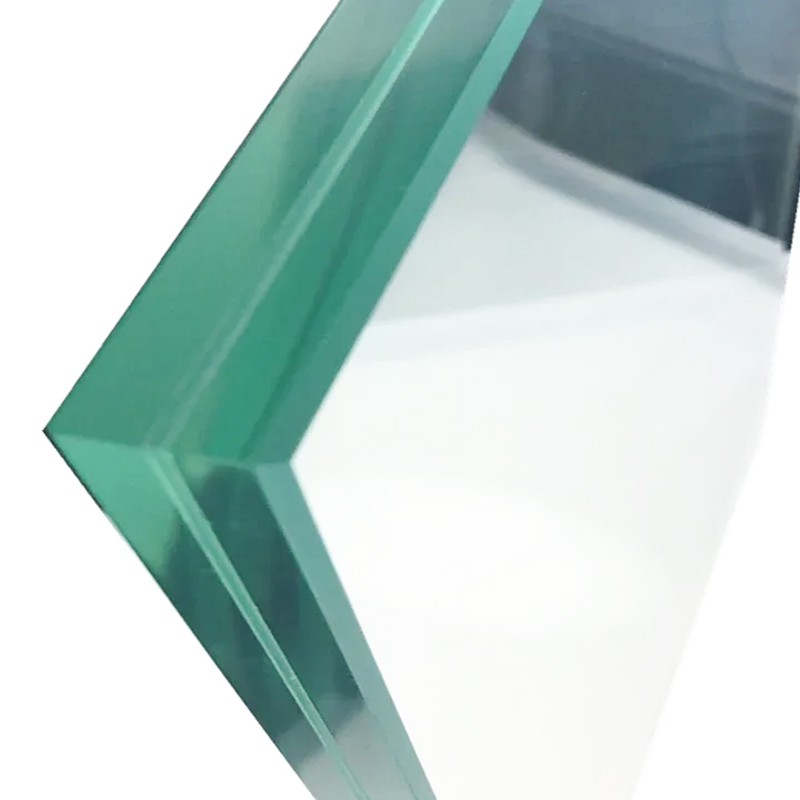
Polyvinyl butyral (PVB) glass interlayer film is a crucial component in laminated safety glass. It is widely used in automotive windshields, architectural glazing, and high-performance glass applications due to its excellent adhesion, impact resistance, and acoustic properties. The film acts as a bonding agent between two or more glass layers, ensuring that the glass remains intact upon impact, preventing sharp fragments from causing injury.
Composition and Manufacturing of PVB Film
PVB film is composed of polyvinyl butyral, plasticizers, and stabilizers. The plasticizers provide flexibility, while stabilizers protect against UV degradation and oxidation. The manufacturing process involves the continuous casting of the PVB resin onto rollers, followed by stretching and drying to achieve uniform thickness and strength. High-quality PVB films are carefully inspected for clarity, uniformity, and absence of bubbles or defects, which are critical for laminated glass performance.
Key Performance Features of PVB Interlayer
Impact Resistance and Safety
One of the main advantages of PVB interlayers is their ability to absorb energy during impact. When laminated glass is subjected to mechanical stress, the PVB film deforms and holds the glass fragments together, reducing the risk of injury. This property makes PVB glass essential for automotive windshields, bullet-resistant glass, and safety windows in buildings.
Acoustic Insulation
PVB film also provides significant sound-dampening benefits. By sandwiching the film between glass layers, it reduces noise transmission from external sources, making it an ideal choice for offices, residential buildings near highways, and automotive applications where cabin noise reduction is crucial.
UV Protection and Durability
High-performance PVB films can block up to 99% of ultraviolet (UV) radiation, protecting interiors, furniture, and passengers from UV-related damage. The film’s chemical composition ensures long-term durability, resisting yellowing, shrinkage, and delamination even under prolonged exposure to sunlight and temperature fluctuations.
Applications of PVB Glass Interlayer Film
The versatility of PVB interlayer films has made them indispensable across several industries. Common applications include:
- Automotive windshields, side windows, and sunroofs for passenger and commercial vehicles.
- Architectural glazing, including skylights, curtain walls, and safety windows.
- Acoustic laminated glass for office buildings and residential complexes.
- Bullet-resistant and security glass for banks, government facilities, and armored vehicles.
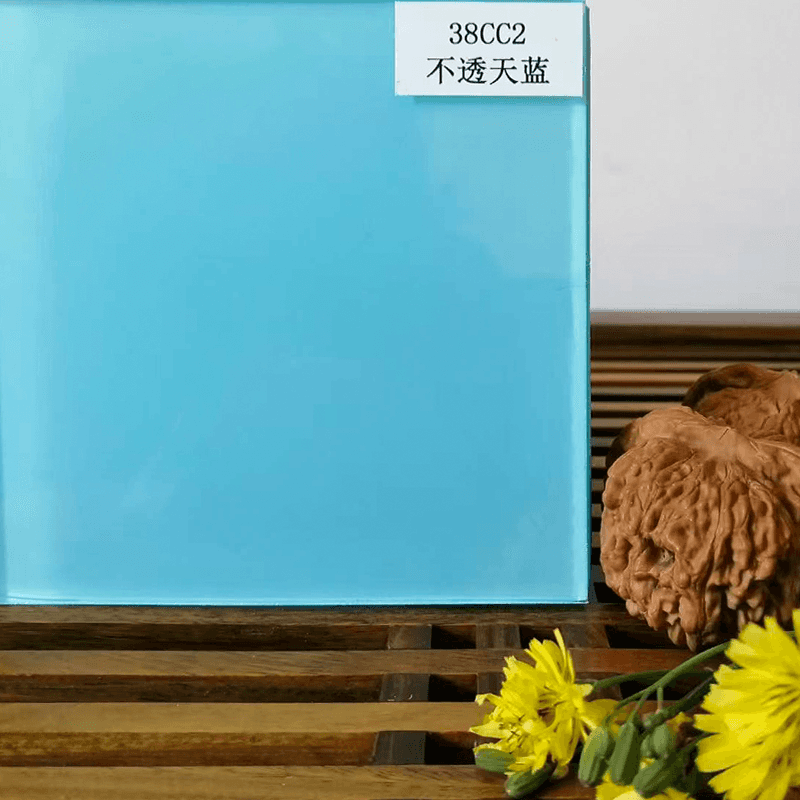
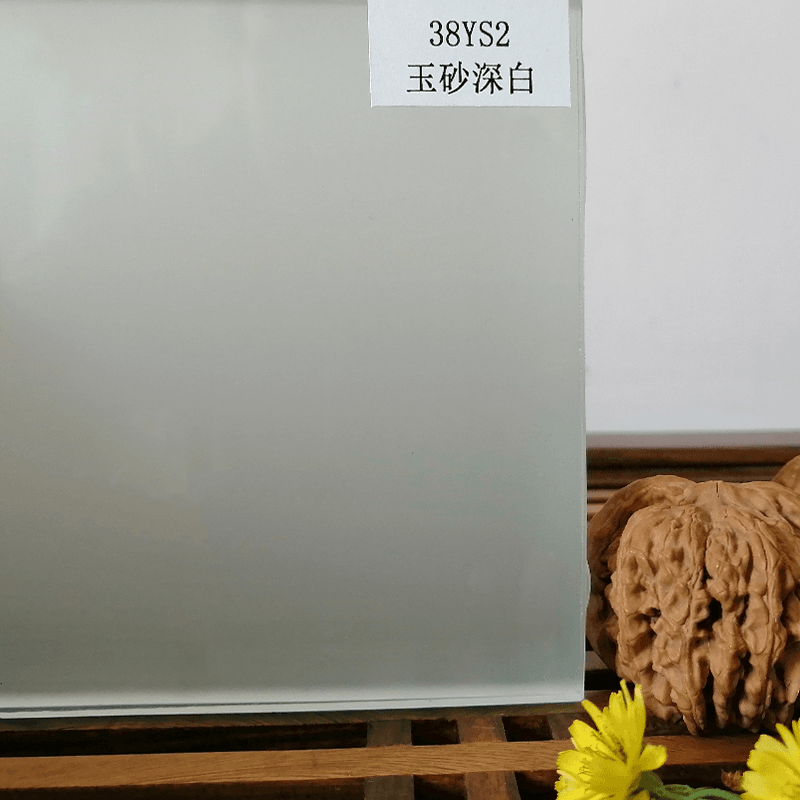
- Decorative laminated glass with colored or patterned PVB layers for interior design applications.
Types of PVB Interlayer Films
PVB films are available in multiple grades and thicknesses to meet specific requirements. Common variations include:
- Standard PVB: Clear, transparent film suitable for most safety glass applications.
- Acoustic PVB: Thicker or multi-layered films designed to reduce sound transmission.
- Colored PVB: Available in multiple colors for aesthetic and decorative glass solutions.
- High UV-Resistant PVB: Enhanced with additives to provide maximum UV protection.
- Multi-Layered PVB: Combines multiple films for specialized impact resistance, such as in bulletproof glass.
Installation and Laminating Process
The lamination process involves cleaning the glass, layering the PVB film between glass sheets, and applying heat and pressure in an autoclave to create a strong bond. Proper handling is crucial, as dust, moisture, or wrinkles in the film can compromise clarity and performance. Modern manufacturing lines employ advanced rollers and vacuum systems to ensure defect-free laminated glass.
Maintenance and Longevity
PVB laminated glass requires minimal maintenance. Cleaning should be done with non-abrasive, pH-neutral solutions to prevent scratching or chemical damage. With correct installation and care, laminated glass with PVB interlayers can last decades without losing its safety, acoustic, or UV-blocking properties.
Comparing PVB with Other Interlayers
While PVB is the most common interlayer material, alternatives like ethylene-vinyl acetate (EVA) and SentryGlas® (SGP) exist. Compared to EVA, PVB offers superior clarity and flexibility, making it ideal for curved glass applications. SGP films provide higher strength and better post-breakage integrity but are more expensive. Choosing the right interlayer depends on performance needs, cost considerations, and the intended application.
Future Trends in PVB Film Technology
The PVB interlayer market is evolving to meet increasing demands for sustainability, energy efficiency, and smart glazing solutions. Innovations include PVB films with enhanced acoustic insulation, integrated solar control coatings, and environmentally friendly manufacturing processes. Additionally, digital printing on PVB films is enabling architects and designers to create customized, decorative laminated glass with functional benefits.