language
 English
 русский
 Español
 عربى
عربى
 中文简体
中文简体

Content
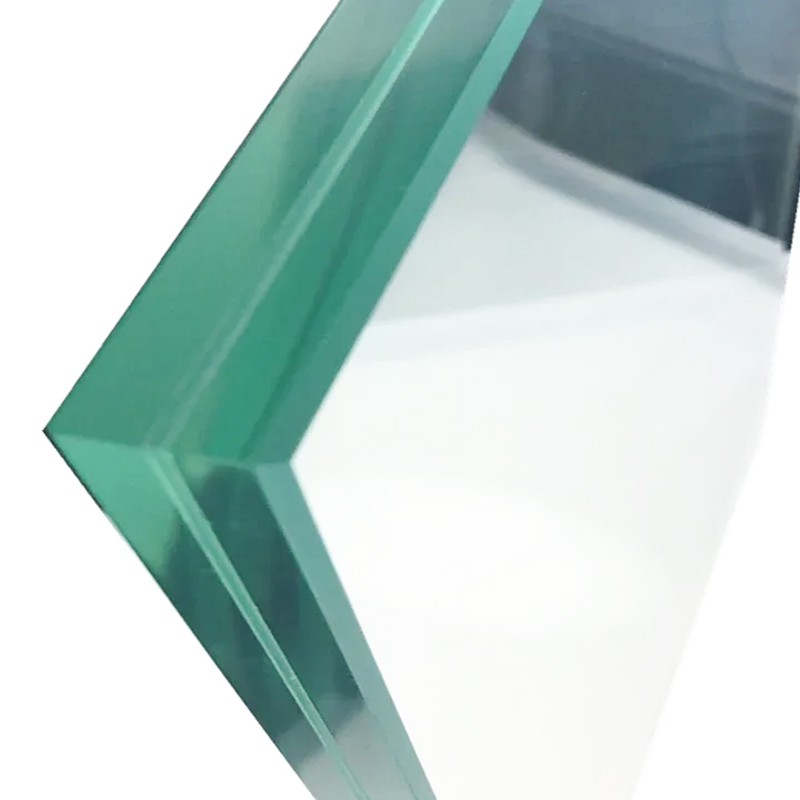
Ethylene vinyl acetate film has altered the cost structure of safety glass manufacturing. It empowers producers to abandon the high-pressure autoclave and adopt a one-step forming process that still delivers impact resistance, strong adhesion, and optical clarity fully compliant with national laminated glass standards. The result is a sharp reduction in both initial investment and ongoing operational spending without compromising safety performance.
How One-Step Forming Changes Laminated Glass Production
Traditional safety glass lamination using PVB film relies on autoclaves that combine high pressure and heat to create a permanent bond. The introduction of dedicated one-step forming machines designed for EVA lamination film has eliminated this requirement entirely. The film is placed between glass sheets, and a vacuum lamination process applies controlled heat and mild pressure in a single chamber. This approach shortens cycle times and removes the logistical burden of multiple processing stations.
Producers who make the switch often report that a single one-step line can replace a multi-stage autoclave setup while cutting energy use by an estimated 25–30% per production batch. The simplified workflow also reduces the footprint required on the factory floor, giving small and medium-sized glass processors a viable entry point into the laminated safety glass market.
Key Production Shifts
- Removal of autoclave-based curing steps
- Faster lamination cycles that boost daily output
- Compatibility with both clear and patterned glass varieties
Material Properties That Meet National Safety Standards
High-transparency EVA film must satisfy demanding criteria for impact resistance, adhesion strength, and light transmission. Independent testing shows that quality EVA lamination film achieves a visible light transmittance of 90–92%, on par with premium PVB interlayers. Its cross-linking structure during lamination creates a tough, elastic bond that holds glass fragments in place upon impact, fulfilling the core safety function of laminated glass.
The film’s adhesion to glass regularly exceeds 6 N/mm² in peel tests, which surpasses the typical minimum threshold of 5 N/mm² required by many national building codes. This robust bonding ensures that even large glass panels maintain structural integrity under wind load and thermal stress. Additionally, the material exhibits strong resistance to yellowing, retaining its clarity after extended UV exposure.
| Property | EVA Lamination Film | Traditional PVB Film |
|---|---|---|
| Light Transmittance | 90–92% | 90–91% |
| Processing Temperature | 110–130°C | 135–150°C |
| Adhesion Strength | ≥6 N/mm² | ≥5 N/mm² |
| Equipment Required | One-step vacuum laminator | Autoclave and pre-press line |
Economic Advantages That Drive Adoption
The financial case for ethylene vinyl acetate film centres on its compatibility with simpler machinery. A complete one-step production line can reduce upfront capital outlay by up to 40% when compared with a full autoclave installation. Operating costs follow a similar pattern: lower energy consumption per square metre of glass, reduced need for skilled maintenance staff, and fewer consumables.
These savings transfer directly to the customer without compromising product integrity. A mid-sized laminator producing around 100,000 square metres of safety glass annually can shorten the return on investment by at least 12–18 months after adopting EVA-based one-step technology. The combined effect of lower fixed costs and faster throughput makes the film especially attractive for projects with tight budgets in residential and commercial construction.
- Substantially lower equipment purchase and installation expense
- Energy cost reductions driven by lower lamination temperatures
- Quicker product changeovers that improve factory utilisation
Long-Term Reliability in Real Building Applications
EVA laminated glass has been installed in curtain walls, balustrades, overhead glazing, and interior partitions across multiple climate zones. Its track record confirms that properly processed EVA interlayers do not delaminate or bubble under sustained outdoor exposure. The material's inherent moisture resistance is a notable advantage in humid regions, where it outperforms some conventional films that are more prone to edge clouding.
Accelerated aging tests simulating 10 years of natural weathering show a drop in light transmission of less than 2%, and the adhesive bond remains well above safety thresholds. When combined with tempered or heat-strengthened glass, EVA film contributes to assemblies that achieve the same impact classifications required by building regulations, making it a dependable choice for architects and specifiers.
Quality Control Measures That Safeguard Consistency
Delivering uniform results with EVA lamination film depends on precise control of temperature, vacuum level, and cooling rate. Leading film suppliers provide detailed processing windows and often work with machine manufacturers to calibrate parameters. Inline inspection systems check for optical defects and measure peel strength on sample coupons at regular intervals, ensuring each batch meets the declared specifications.
The availability of wide-width EVA film, up to 3.6 metres, allows processors to laminate jumbo glass sheets without splicing, which reduces waste and labour. Combined with certified raw materials and ISO-compliant manufacturing, these practices give buyers confidence that EVA-based laminated glass consistently hits the same performance benchmarks as autoclave-processed PVB glass, supporting its growing share in the safety glazing market.