language
 English
 русский
 Español
 عربى
عربى
 中文简体
中文简体

Content
PVB Interlayer Film: The Core of Laminated Safety Glass
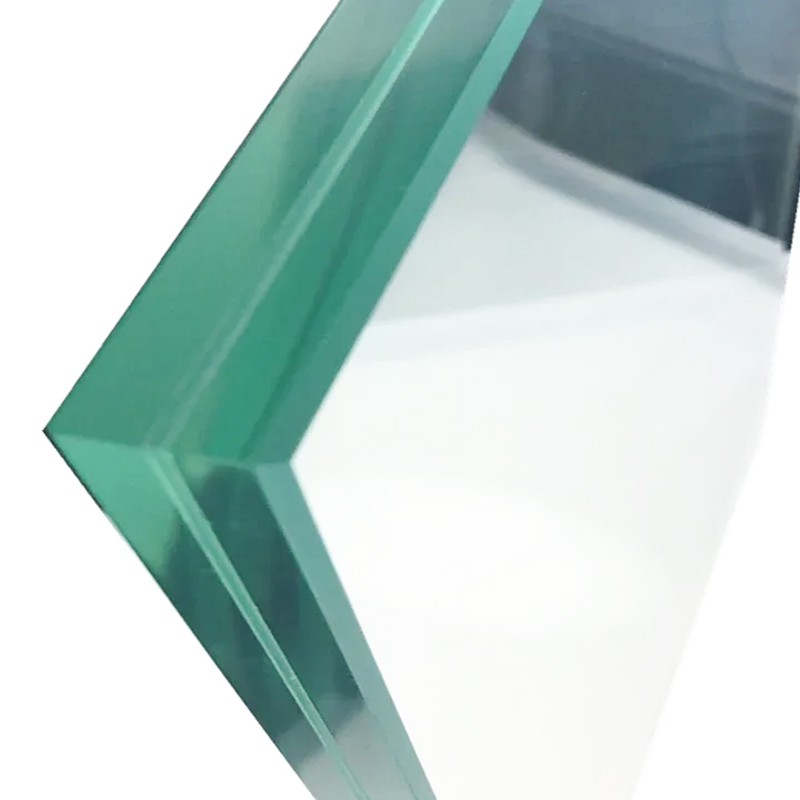
Polyvinyl butyral film, or PVB film, is the industry-standard interlayer for laminated safety glass used worldwide. Manufactured from polyvinyl butyral resin plasticized with 3GO (triethylene glycol di-2-ethylhexanoate), this translucent thermoplastic film bonds tenaciously to glass, preventing dangerous shattering upon impact. When laminated between two sheets of glass under heat and pressure, the resulting composite retains broken fragments, significantly enhancing occupant protection in automotive windshields, architectural glazing, and photovoltaic modules.
Its unique combination of optical clarity, adhesion, and energy absorption makes PVB interlayer film irreplaceable for applications demanding both transparency and security. The film is extruded into sheets of precisely controlled thickness, typically ranging from 0.38 mm to 1.52 mm, and can be supplied in rolls or cut-to-size panels depending on downstream processing needs.
Key Properties of Polyvinyl Butyral Interlayer Film
The performance of PVB interlayer film is defined by a set of rigorously tested mechanical and optical characteristics. Reliable PVB film consistently exhibits:
- Outstanding adhesion to glass – chemical bonding prevents glass fragments from separating after breakage.
- High visible light transmission (>90%) – ensures minimal optical distortion, essential for automotive and architectural transparency.
- UV blocking capability up to 99% – protects interior furnishings and photovoltaic cells from degradation.
- Excellent heat, cold, and moisture resistance – suitable for extreme climate conditions without delamination or yellowing.
- High tensile strength and elasticity – absorbs impact energy effectively, converting kinetic energy into heat and deformation.
- Acoustic damping performance – specially formulated PVB interlayer films can reduce noise transmission by up to 3 dB compared to monolithic glass.
These characteristics are verified through peel adhesion tests, pummel tests, haze measurements, and environmental aging chambers. The film’s plasticizer content is carefully controlled to balance flexibility with structural integrity over a wide temperature range.
Modern Manufacturing and Quality Control
PVB film production begins with polyvinyl butyral resin that is plasticized with 3GO and various additives, then fed into precision extrusion lines. The molten film passes through a flat die, is quenched on cooling rolls, and wound under controlled tension. State-of-the-art facilities now utilize automatic extrusion heads with die widths of up to 3.6 meters – a capability that permits the supply of single-piece interlayer for large-format laminated glass, eliminating the need for splicing in architectural facades and solar panels.
Each production line is typically equipped with online thickness gauges, automatic defect detection systems, and tension controllers. Comprehensive off-line testing includes tensile strength, elongation at break, moisture content, and shrinkage measurements. Facilities holding ISO 9001:2015 and ISO 14001 certifications operate integrated management systems to guarantee product consistency and environmental responsibility.
A growing segment of the industry also focuses on PVB recycling. Post-industrial and end-of-life laminated glass can be processed to recover and regenerate polyvinyl butyral, reducing landfill waste and production costs. Closed-loop recycling technologies now allow the reintroduction of purified PVB material back into the extrusion process, supporting the circular economy.
Primary Applications of PVB Interlayer Film
PVB interlayer film serves a vital role across multiple industries, each leveraging its unique properties for enhanced safety and performance.
Comparison of Interlayer Materials
| Property | PVB Film | EVA Film | SGP Film |
|---|---|---|---|
| Adhesion to Glass | Excellent | Good (requires primer) | High |
| Light Transmission | >90% | >90% | >90% |
| Impact Resistance | Superior | Moderate | Very High |
| Moisture Resistance | Good | Excellent | Good |
| Typical Use | Automotive, architectural, solar | Solar modules | Hurricane-resistant glazing |
Key Industry Segments
- Automotive – PVB interlayer is mandated for windshields, where its retention of glass fragments reduces injury during accidents.
- Architectural – laminated safety glass with PVB film provides burglary resistance, blast mitigation, and sound insulation in commercial buildings and skylights.
- Photovoltaic – polyvinyl butyral film acts as an encapsulant in thin-film and crystalline silicon solar modules, protecting cells while maximizing light capture.
- Aerospace and Defense – high-performance PVB interlayer films are used in aircraft windows and ballistic-resistant glazing.
Why Production Width Matters for PVB Interlayer Film
The ability to manufacture wide-format polyvinyl butyral film directly influences the quality and cost of finished laminated glass. An extrusion line with a 3.6-meter die width can produce interlayer sheets that cover large architectural panes in a single piece. This eliminates the need for butt-joining multiple narrower films, which can create visible seams and weaken the laminate’s structural continuity. Uniform thickness and optical properties across the entire width are critical for oversized facades, skylights, and solar photovoltaic modules where any distortion compromises both aesthetics and energy output.
Wide-width production also improves material yield. By reducing edge trim and splicing waste, manufacturers lower overall cost per square meter, making high-quality PVB interlayer more accessible for large-scale projects. Advanced automatic extrusion heads, combined with real-time thickness monitoring, ensure that the film maintains consistent mechanical and optical performance from edge to edge.
Choosing the Right PVB Interlayer Film
Selecting the optimal PVB film for a specific application requires evaluating several factors. Follow this systematic approach:
- Determine the required laminate thickness and glass configuration, matching PVB interlayer gauge to safety standards and load requirements.
- Specify optical grade if clarity is critical; request certified light transmission and haze values for visible areas.
- Choose acoustic PVB variants with enhanced sound damping for noise-sensitive environments near highways or airports.
- Verify UV blocking percentage to match protection needs for furnishings or solar cell longevity.
- Ensure the film is compatible with the lamination process and carries relevant certifications such as ISO 9001 and ISO 14001.
By aligning film properties with project demands, designers and fabricators achieve a balance of safety, durability, and optical excellence that only PVB interlayer can provide.