language
 English
 русский
 Español
 عربى
عربى
 中文简体
中文简体
Content
What Is EVA Film and Why It Matters for Glass Lamination
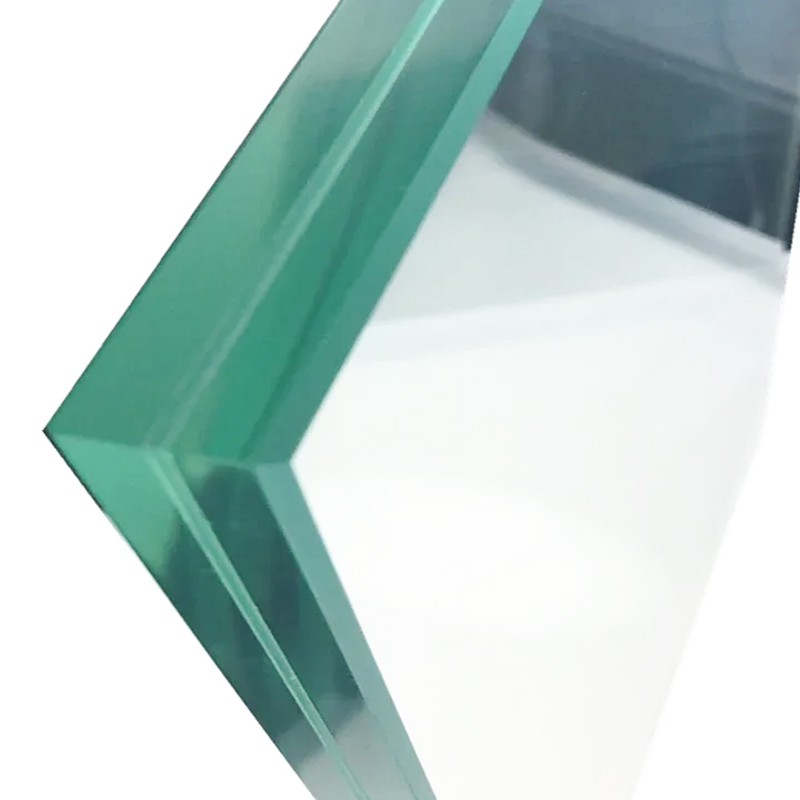
EVA film — short for ethylene vinyl acetate film — is a thermoplastic copolymer interlayer sandwiched between two or more glass panes to form laminated safety glass. When heat and pressure are applied, the film melts, bonds to both glass surfaces, and cross-links into a permanent, transparent layer. The result is glass that holds together on impact rather than shattering into dangerous shards.
What sets ethylene vinyl acetate film apart from traditional interlayer materials is its combination of optical clarity, strong adhesion across a wide range of substrates, and the ability to bond at relatively low processing temperatures. These qualities make EVA lamination film a practical choice for architectural glazing, decorative glass, solar panels, and specialty building projects where both safety and aesthetics matter.
Key Performance Properties
Understanding the material's properties helps you predict how it will perform in the field. The most relevant parameters for glass processors and project specifiers are listed below.
| Property | Typical Value | Practical Significance |
|---|---|---|
| Light transmittance | ≥ 90% | Maintains visual clarity in curtain walls and skylights |
| UV blocking | ≥ 99% | Protects interiors from UV-induced fading and degradation |
| Processing temperature | 135°C | Compatible with heat-sensitive decorative inserts |
| Available thickness | 0.38 / 0.50 / 0.76 / 1.14 mm | Match thickness to acoustic or structural requirements |
| Maximum width | 2500 mm | Covers large-format architectural panels without joins |
EVA lamination film also performs well in moisture and temperature extremes, resisting delamination in outdoor conditions that would compromise less stable interlayer materials. Products meeting the BS EN ISO 12543 international standard for laminated glass in buildings must demonstrate durability under humidity, UV, and thermal cycling — all areas where quality EVA film performs reliably.
EVA Film Product Types for Different Projects
Not every project needs the same film. Three product categories cover the majority of architectural and decorative applications:
- Clear interlayer for maximum transparency: highly transparent EVA film for specialty glass applications — available in 0.38 mm to 1.14 mm thickness — delivers over 90% light transmission with minimal haze. It is the standard choice for curtain walls, hotel glazing, glass railings, and sunrooms where visual purity is non-negotiable.
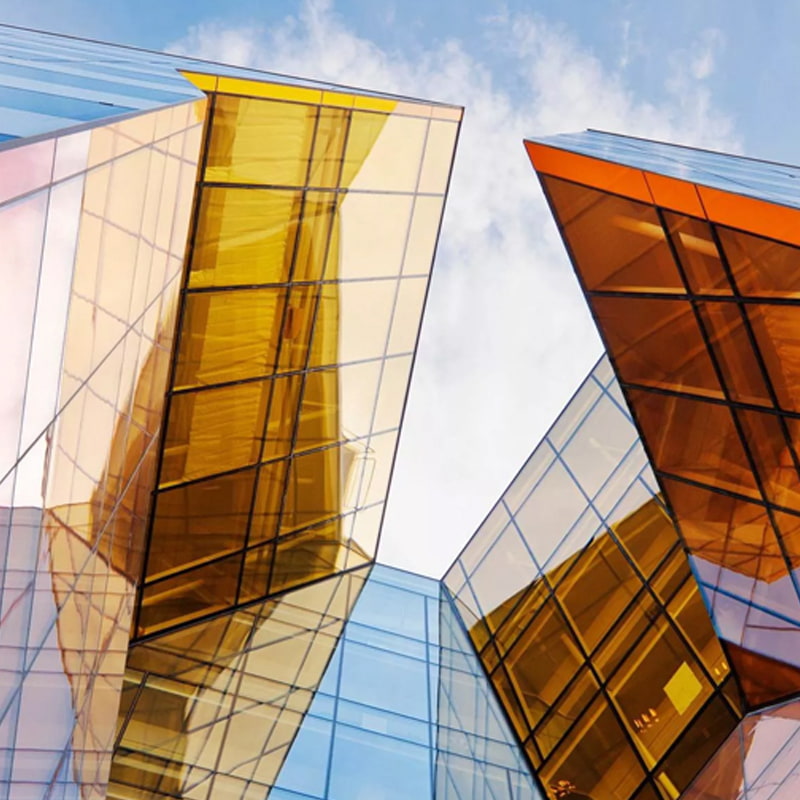
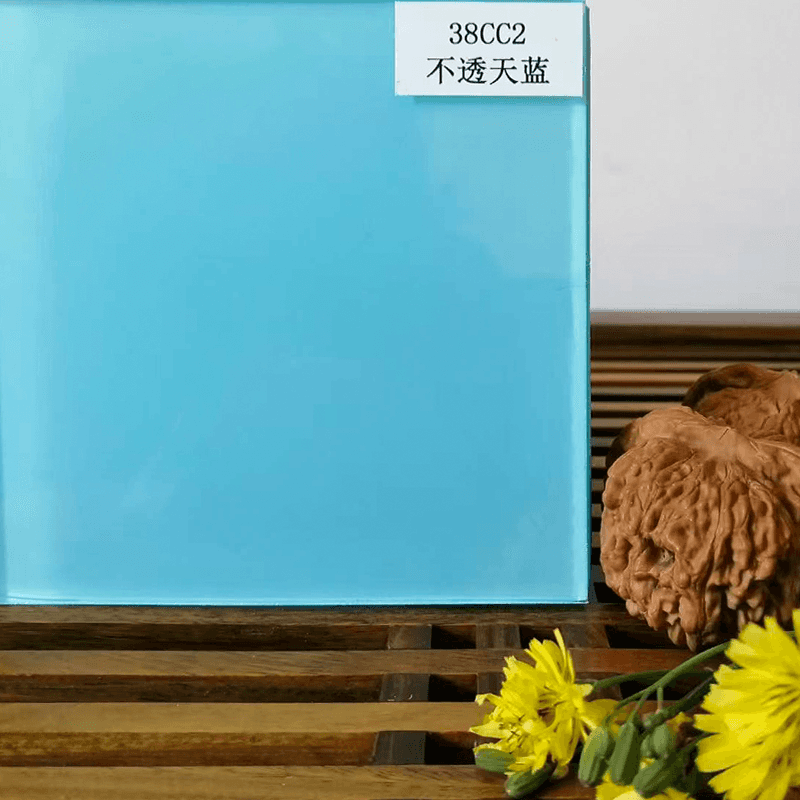
- Decorative options for artistic glass: decorative colored EVA film for artistic glass lets processors produce vivid, stable laminated panels. Colored layers can be combined to build unique tones, and the film accepts decorative inserts including PET films and PDLC smart glass components without sacrificing safety performance.
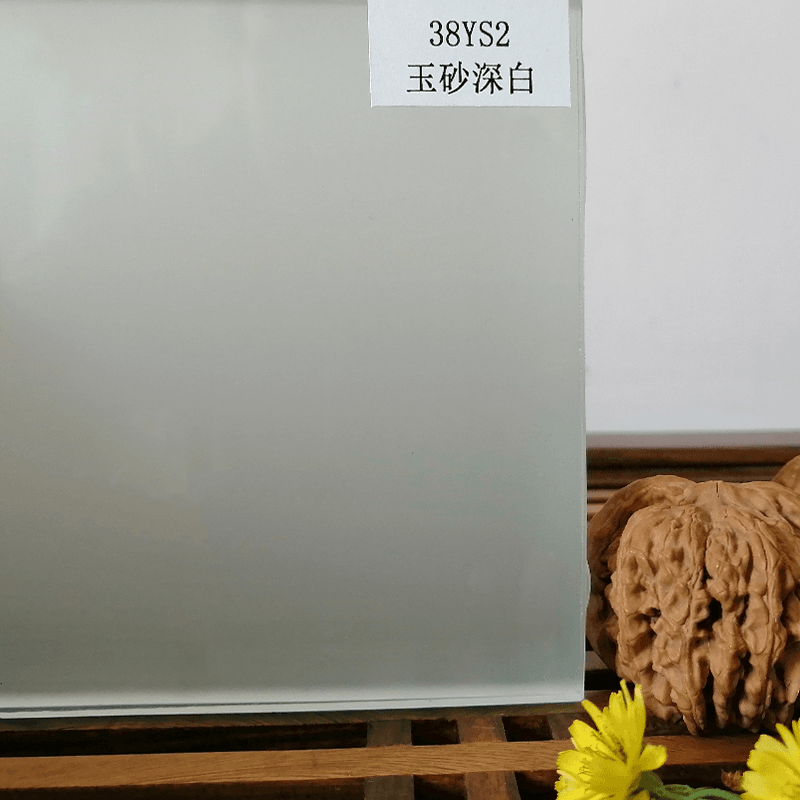
- Privacy and texture applications: EVA jade sand film for privacy glass provides a translucent, matte finish ideal for interior partitions, bathroom enclosures, and decorative panels that require light diffusion without full transparency.
Each type shares the same adhesion characteristics and processing parameters, so a single production line can handle all three without tooling changes.
Processing Advantages: No Autoclave Required
One of the most commercially significant features of EVA lamination film is its compatibility with one-step forming machines, eliminating the need for a high-pressure autoclave. Traditional PVB lamination requires both a pre-press furnace and an autoclave — a capital-intensive setup that also consumes more energy per cycle and demands strict humidity-controlled storage for the film.
EVA film is processed in a vacuum laminating oven at 135°C with a single-glass insulation time of no less than 60 minutes. The thermoset cross-linking that occurs during this step means the finished interlayer will not re-melt under service temperatures, giving exterior and solar applications the long-term stability they require. Storage is equally straightforward: EVA film is not hygroscopic, so it does not require the refrigerated, humidity-controlled conditions that PVB demands. For smaller or mid-sized glass processors, this difference alone can significantly reduce overhead and simplify inventory management.
How to Choose the Right EVA Lamination Film
Selecting the correct film comes down to three variables: thickness, application environment, and substrate compatibility.
- Thickness: 0.38 mm and 0.50 mm films suit standard architectural glazing and decorative panels. Step up to 0.76 mm or 1.14 mm when acoustic performance or additional impact resistance is a project requirement.
- Environment: For exterior facades, skylights, and curtain walls, choose a film with confirmed UV stability and outdoor durability ratings. Indoor decorative applications have more flexibility on this point.
- Substrate: EVA bonds well not only to glass but also to polycarbonate, PET films, and PDLC smart glass layers — a versatility that PVB cannot always match. Confirm compatibility when embedding non-standard decorative inserts.
For projects that span multiple glass types or design requirements, reviewing the full EVA film product range alongside technical datasheets gives you the clearest basis for selection. When in doubt, request samples and run a small-batch lamination trial before committing to a full production run — the processing parameters are consistent enough that a trial result is a reliable predictor of production performance.