language
 English
 русский
 Español
 عربى
عربى
 中文简体
中文简体
Content
Color is no longer just a decorative afterthought in glass lamination — it is an engineered advantage. EVA color film combines the proven structural benefits of ethylene vinyl acetate interlayers with a rich palette of color options, allowing architects, designers, and glaziers to meet safety codes and aesthetic goals simultaneously. This article breaks down exactly how EVA color film delivers on three fronts: safety, visual design, and long-term performance.
What Is EVA Color Film?
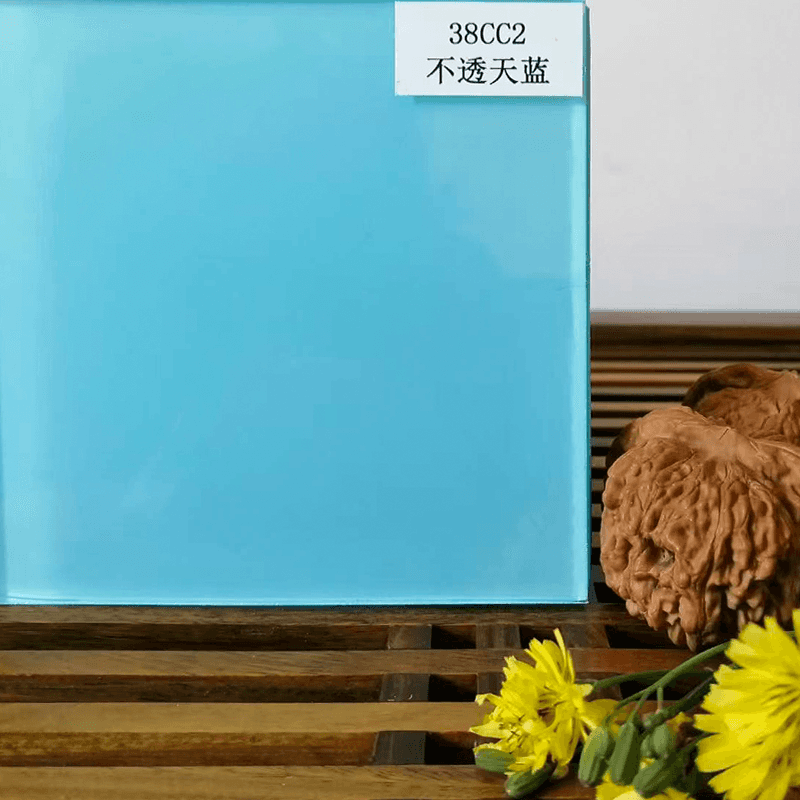
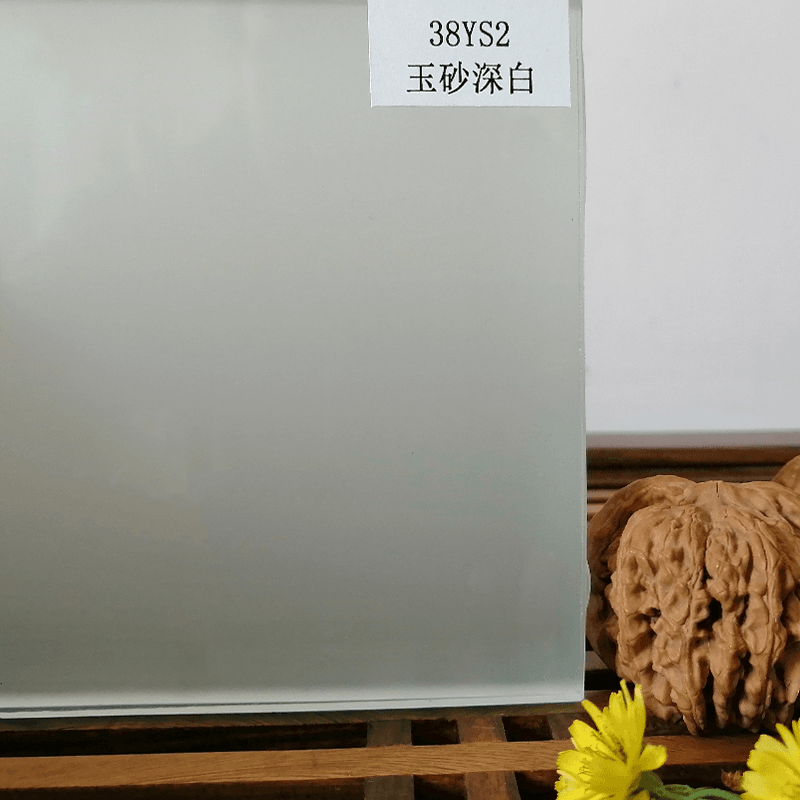
EVA color film is a thermoplastic interlayer made from ethylene vinyl acetate copolymer and tinted through the addition of color masterbatches during production. It is available in transparent, translucent, and opaque variants — from subtle tints to bold solid tones — and is typically supplied at a standard thickness of 0.38 mm, though custom gauges are available.
Unlike surface coatings that can scratch or peel, the color in EVA film is integrated throughout the material. This structural coloring approach means the hue remains stable across the full service life of the laminated glass unit.
Safety: The Foundation That Color Doesn't Compromise
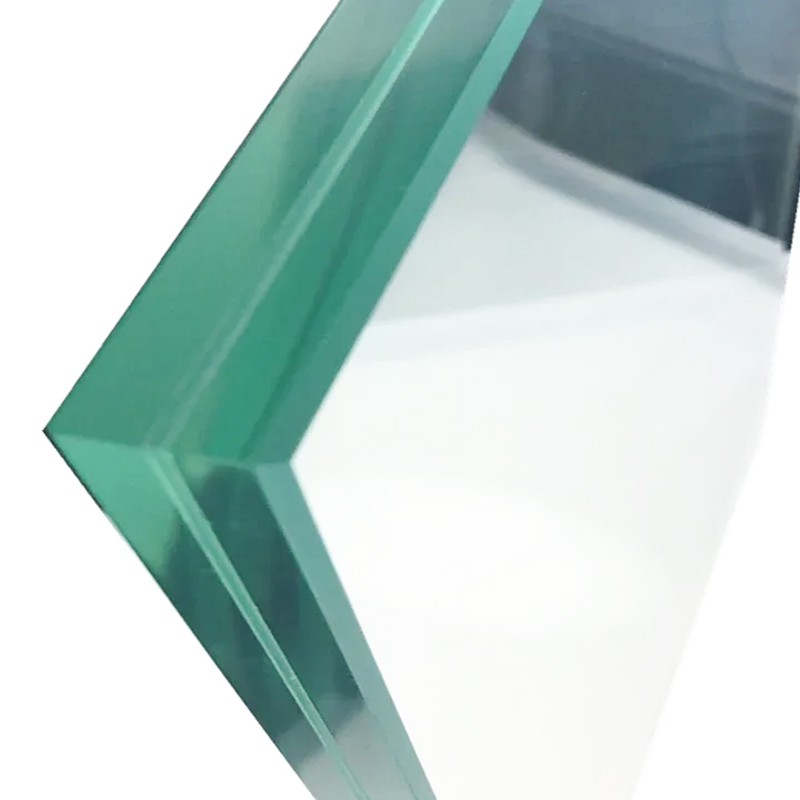
Safety glass regulation is non-negotiable in architecture, and EVA color film meets the same structural requirements as its clear counterpart. The interlayer bonds tightly to both glass lites during the vacuum lamination process. When an impact occurs — whether from accidental breakage, weather, or forced entry — the EVA layer holds shattered fragments in place rather than allowing dangerous shards to scatter.
In standardized impact testing, EVA laminated glass is capable of withstanding the force of a 5 kg steel ball dropped from 1.2 meters, a benchmark that confirms compliance with construction safety standards. The interlayer's ability to absorb and distribute impact energy is inherent to the material chemistry, not affected by pigmentation. Colored EVA film therefore carries the same protective capability as transparent grades.
Additionally, EVA color film resists heat and humidity — two conditions that can degrade adhesion over time. Its resistance to delamination under thermal cycling ensures the safety bond remains intact throughout the lifespan of the installation. For applications such as glass partitions, staircase balustrades, shower enclosures, and overhead glazing, this reliability is critical.
Aesthetics: Turning Glass into a Design Element
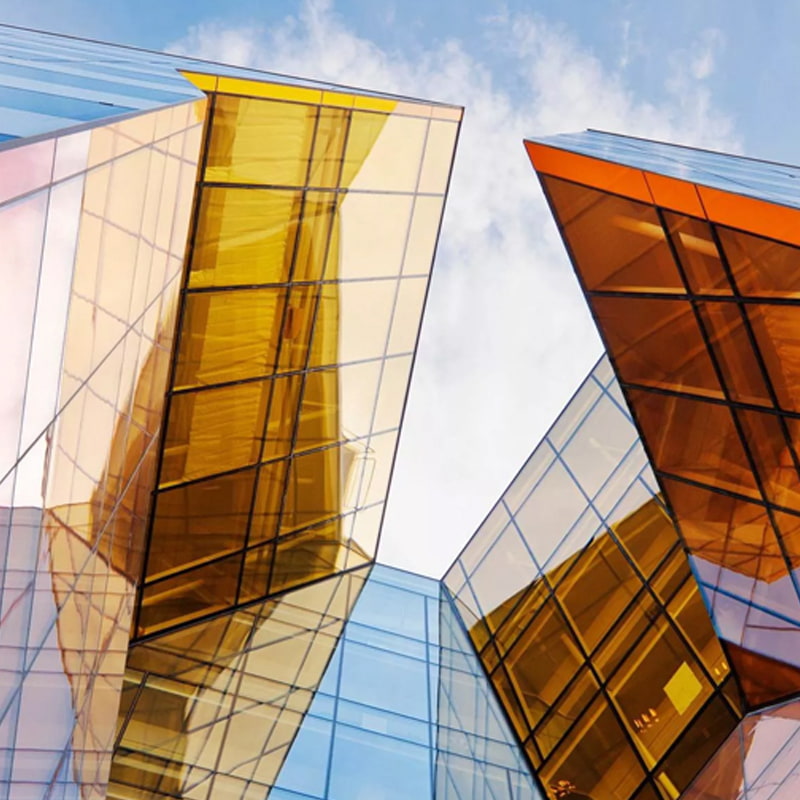
The traditional view of glass as a neutral, transparent material has been transformed by EVA color film. Designers working on hotels, commercial interiors, retail environments, and residential spaces now use colored laminated glass as a primary surface material — not just a barrier.
Key aesthetic advantages include:
- Color uniformity: Masterbatch coloring ensures consistent hue distribution across the entire panel surface, eliminating the streaking and uneven tints that can occur with surface-applied films.
- Layering possibilities: Combining multiple colored EVA layers creates entirely new custom colors — a practical advantage for projects requiring precise brand or specification matching.
- Insert compatibility: Because EVA has excellent flow characteristics in its molten state, it bonds cleanly around embedded materials such as metal mesh, fabric, or printed polyester films, enabling textured and mixed-media glass panels.
- Light modulation: Translucent color grades diffuse light softly while maintaining privacy, making them popular for office partitions, spa enclosures, and feature walls.
The refractive index of EVA (approximately 1.52) closely matches that of float glass, which means color appears clean and true without the haze that can result from index mismatches. Light transmittance for standard EVA grades reaches around 91%, ensuring that even colored panels retain luminosity rather than appearing flat or dull.
Performance: Durability Across Demanding Conditions
Beyond impact resistance and aesthetics, EVA film delivers several performance properties that make it a practical choice for demanding applications:
| Property | Benefit | Typical Application |
|---|---|---|
| UV resistance | Blocks UV transmittance, prevents color fading | Facades, skylights, curtain walls |
| Acoustic damping | Reduces sound transmission through glass | Office partitions, hotel rooms |
| Moisture resistance | Maintains adhesion in humid environments | Bathrooms, pools, wet areas |
| Thermal stability | No yellowing or delamination under heat | South-facing glazing, conservatories |
| Chemical resistance | Withstands cleaning agents and mild acids/bases | Sanitary spaces, commercial kitchens |
One significant production advantage of EVA color film is that it does not require an autoclave. Standard vacuum lamination equipment operating at approximately 120°C is sufficient to achieve full bonding. This reduces capital investment for processors — production line costs using EVA film can run 30–40% lower than equivalent PVB autoclave setups — without trading away safety or optical quality.
Where EVA Color Film Is Used
The combination of safety compliance, design flexibility, and processing efficiency makes EVA color film appropriate across a broad range of glass lamination applications:
- Architectural interior partitions and feature walls
- Hotel lobbies, retail storefronts, and hospitality fit-outs
- Sliding and hinged decorative glass doors
- Bathroom and spa enclosures
- Entertainment venue and exhibition display glass
- Staircase railings and balustrade infill panels
Because colored EVA films are thermoplastics primarily formulated for interior environments, project specifications should confirm suitability for exterior or UV-intensive applications with the film manufacturer.
Choosing the Right EVA Color Film
When specifying EVA color film for a project, consider three factors: the required opacity level (transparent, translucent, or solid), the operating environment (interior versus exterior, humidity level, temperature range), and the processing equipment available. Working with an experienced manufacturer ensures the selected grade meets both the visual intent and the relevant building glass standards for your market.
Explore the full range of EVA color film products or browse the complete EVA film product line to find the specification that fits your next laminated glass project.