language
 English
 русский
 Español
 عربى
عربى
 中文简体
中文简体
Content
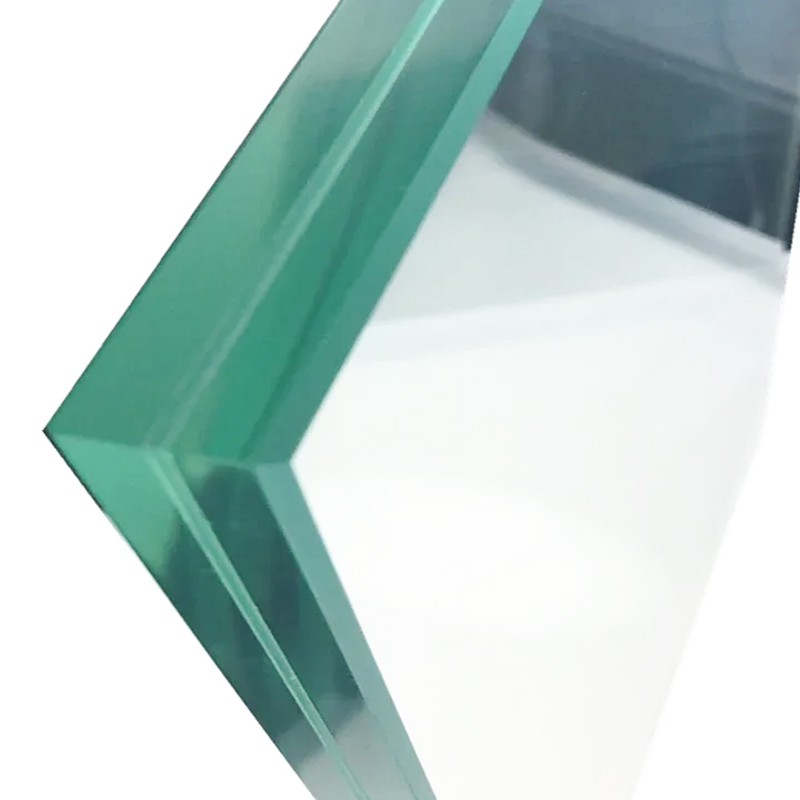
EVA (Ethylene Vinyl Acetate) film has emerged as the preferred interlayer material for manufacturing laminated glass that demands both structural resilience and visual appeal. This thermoplastic polymer delivers exceptional impact resistance, design flexibility, and weather stability, making it ideal for architectural facades, interior partitions, and decorative applications. Its unique molecular structure provides superior optical clarity while maintaining robust adhesion to glass substrates under varying environmental conditions.
Superior Impact Resistance and Safety Performance
Glass laminates utilizing EVA interlayers demonstrate remarkable toughness under mechanical stress. Independent testing reveals that EVA laminated glass can withstand impact energies up to 30 times greater than standard annealed glass of equivalent thickness. When breakage does occur, the polymer layer retains glass fragments, preventing hazardous shards from dispersing. This characteristic makes EVA film particularly valuable for overhead glazing, balustrades, and hurricane-resistant installations.
The material exhibits excellent compatibility with various glass types including tempered, heat-strengthened, and annealed glass. Its adhesion strength exceeds 20 Newtons per millimeter, ensuring long-term structural integrity even under sustained loads. Furthermore, EVA films provide effective UV screening, blocking approximately 99 percent of ultraviolet radiation to protect interior furnishings from degradation.
Exceptional Design Flexibility for Decorative Applications
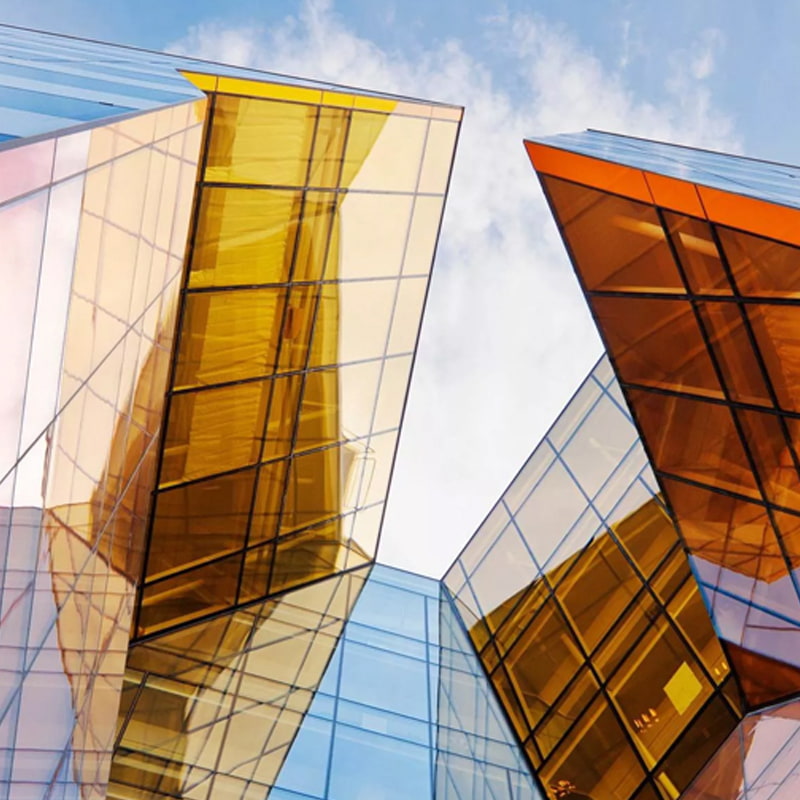
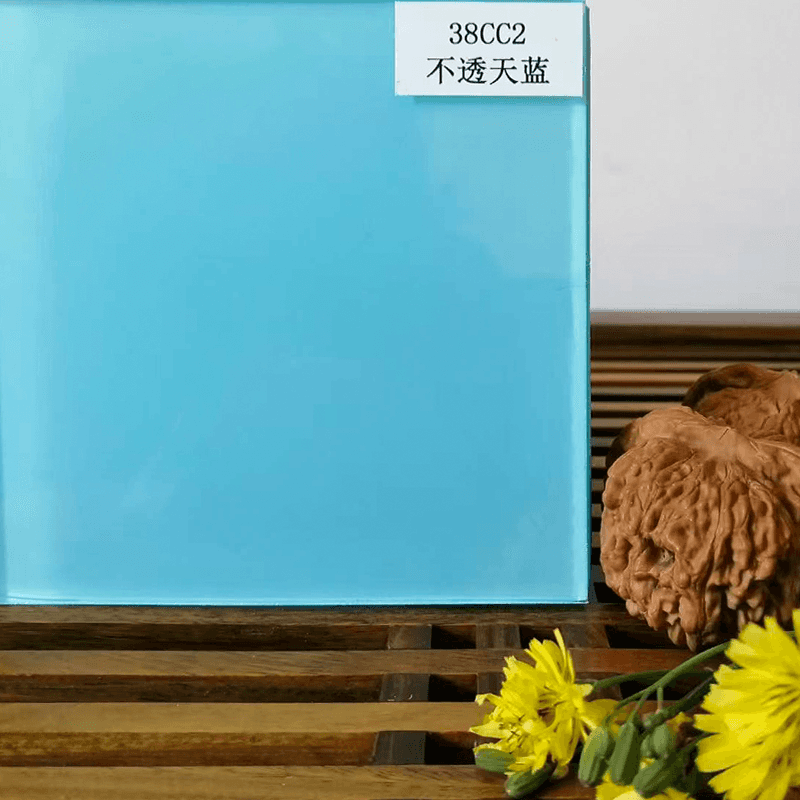
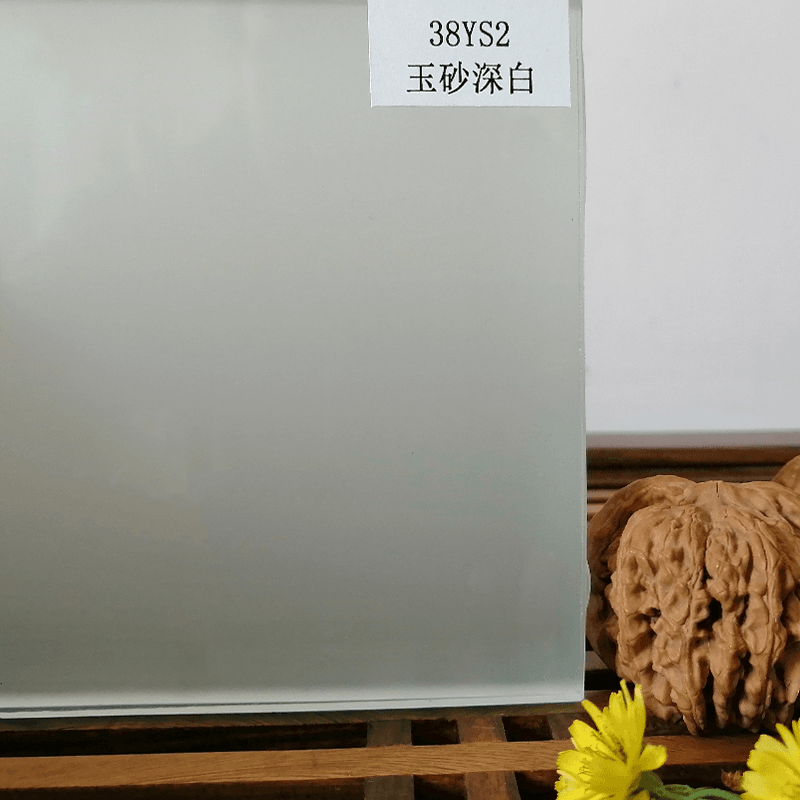
Architects and designers favor EVA film for its extensive customization capabilities. The material accommodates over 200 standard color options while maintaining consistent optical quality. Decorative elements such as metallic meshes, natural fibers, and printed graphics embed seamlessly between glass layers without compromising adhesion or clarity.
Variable Opacity and Texture Options
The film supports variable opacity levels ranging from transparent to fully opaque, enabling precise control over privacy and light transmission. Surface textures including frosted, patterned, and three-dimensional embossed finishes create distinctive visual effects while maintaining smooth exterior surfaces for easy cleaning. Unlike alternative interlayers, EVA remains stable when combined with organic decorative inserts, expanding creative possibilities for custom installations.
Environmental Stability and Long-term Durability
EVA laminated glass exhibits superior performance across extreme environmental conditions. The material maintains structural properties in temperatures ranging from minus 40 degrees Celsius to 80 degrees Celsius without delamination or bubbling. Accelerated aging tests demonstrate yellowing indices below 2 units after 2000 hours of UV exposure, ensuring aesthetic longevity for exterior applications.
Moisture resistance represents another critical advantage. EVA films demonstrate minimal water absorption rates below 0.1 percent, preventing edge degradation common in humid climates. This characteristic eliminates the need for edge sealing in many applications, reducing installation complexity and long-term maintenance requirements. The polymer also resists discoloration when exposed to common environmental pollutants and cleaning agents.
Cost-Effective Processing and Installation Advantages
Manufacturing efficiency distinguishes EVA film from alternative interlayer materials. The lamination process operates at temperatures between 80 and 100 degrees Celsius, significantly lower than PVB processing requirements. This reduction decreases energy consumption by approximately 30 percent while extending equipment lifespan through reduced thermal stress.
- Room temperature storage eliminates expensive climate-controlled facilities
- Processing scrap rates typically remain below 3 percent in professional operations
- Reprocessing capability for minor defects minimizes material waste
- Compatibility with standard glass cutting equipment reduces capital investment
Comparative Performance Analysis
The following table illustrates how EVA film compares to alternative interlayer materials across key performance indicators relevant to durable and decorative laminated glass applications.
| Property | EVA Film | Standard PVB | Ionoplastic |
|---|---|---|---|
| Impact Resistance | High | Moderate | Very High |
| UV Blocking | 99 percent | 99 percent | 99 percent |
| Processing Temperature | 80-100 C | 120-140 C | 130-150 C |
| Moisture Sensitivity | Low | High | Low |
| Decorative Compatibility | Excellent | Limited | Moderate |