language
 English
 русский
 Español
 عربى
عربى
 中文简体
中文简体
Content
What Is Polyvinyl Butyral Film
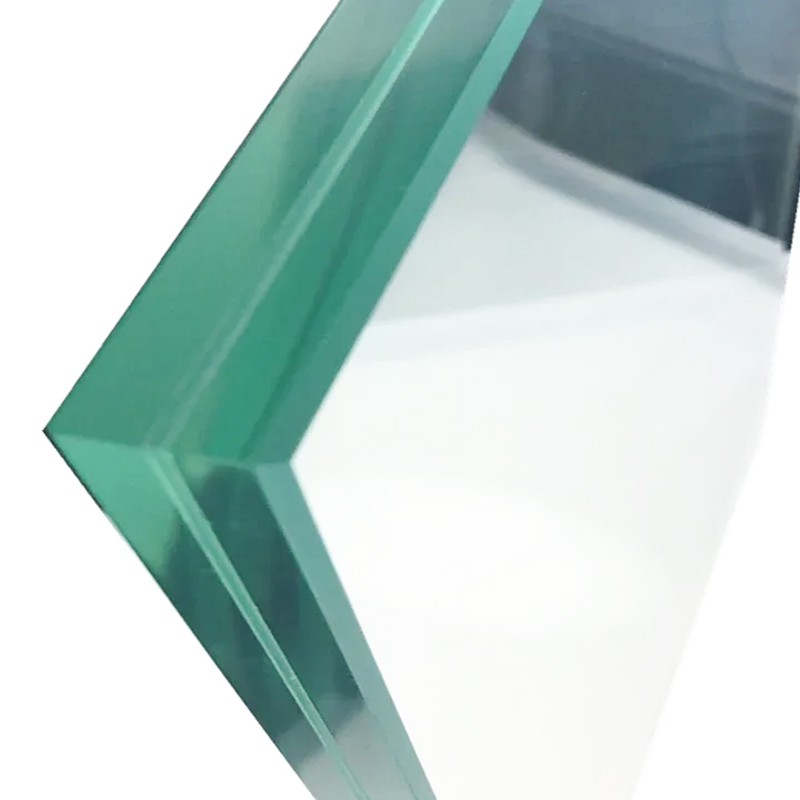
Polyvinyl butyral (PVB) film is a transparent polymeric interlayer material primarily composed of polyvinyl butyral resin, plasticizers, and additives. This specialized film serves as the critical bonding layer in laminated safety glass, holding glass fragments together upon impact and preventing shattering. The material exhibits exceptional optical clarity, strong adhesion to glass surfaces, and superior mechanical properties that make it indispensable in automotive windshields, architectural glazing, and photovoltaic modules.
The film is manufactured through a continuous extrusion process where PVB resin is melted, mixed with plasticizers (typically triethylene glycol di-2-ethylhexanoate), and formed into thin sheets ranging from 0.38mm to 2.28mm in thickness. The global PVB film market was valued at approximately $3.2 billion in 2023, with automotive applications accounting for roughly 75% of total consumption.
Manufacturing Process and Quality Control
Production Methods
PVB film production begins with the synthesis of polyvinyl butyral resin through the reaction of polyvinyl alcohol with butyraldehyde. The manufacturing process involves several critical stages:
- Resin preparation and drying to achieve moisture content below 0.5%
- Compounding with plasticizers at ratios typically between 25-40 parts per hundred resin
- Melt extrusion at temperatures ranging from 160-220°C
- Cooling, surface treatment, and winding onto rolls up to 2 meters wide
- Quality inspection using optical sensors and thickness gauges
Quality Standards and Testing
Industry standards such as ANSI Z26.1, ECE R43, and ISO 12543 govern PVB film specifications. Manufacturers conduct rigorous testing including:
| Test Parameter | Standard Value | Testing Method |
|---|---|---|
| Light Transmittance | ≥88% | ASTM D1003 |
| Haze | ≤0.4% | ASTM D1003 |
| Moisture Content | 0.35-0.55% | Karl Fischer |
| Pummel Adhesion | ≤6 rating | ISO 12543-4 |
Key Properties and Performance Characteristics
Mechanical and Optical Properties
PVB film demonstrates exceptional mechanical strength with tensile strength values between 20-30 MPa and elongation at break exceeding 200%. The material's glass transition temperature typically ranges from 15-25°C, allowing it to remain flexible across various environmental conditions. Its refractive index of approximately 1.48 closely matches that of glass (1.52), minimizing optical distortion.
The film provides excellent UV blocking capabilities, absorbing more than 99% of ultraviolet radiation below 380nm while maintaining visible light transmission above 88%. This property protects vehicle interiors and building contents from sun damage while preserving occupant visibility.
Adhesion and Durability
Superior adhesion to glass surfaces represents one of PVB film's most critical attributes. The material achieves strong bonding through:
- Hydroxyl groups creating hydrogen bonds with glass silanol groups
- Optimal moisture content facilitating chemical interaction
- Autoclave processing at 140°C and 12-14 bar pressure
Under standard environmental conditions, laminated glass with PVB interlayer maintains performance integrity for 15-20 years in automotive applications and 25-30 years in architectural installations.
Primary Applications Across Industries
Automotive Safety Glass
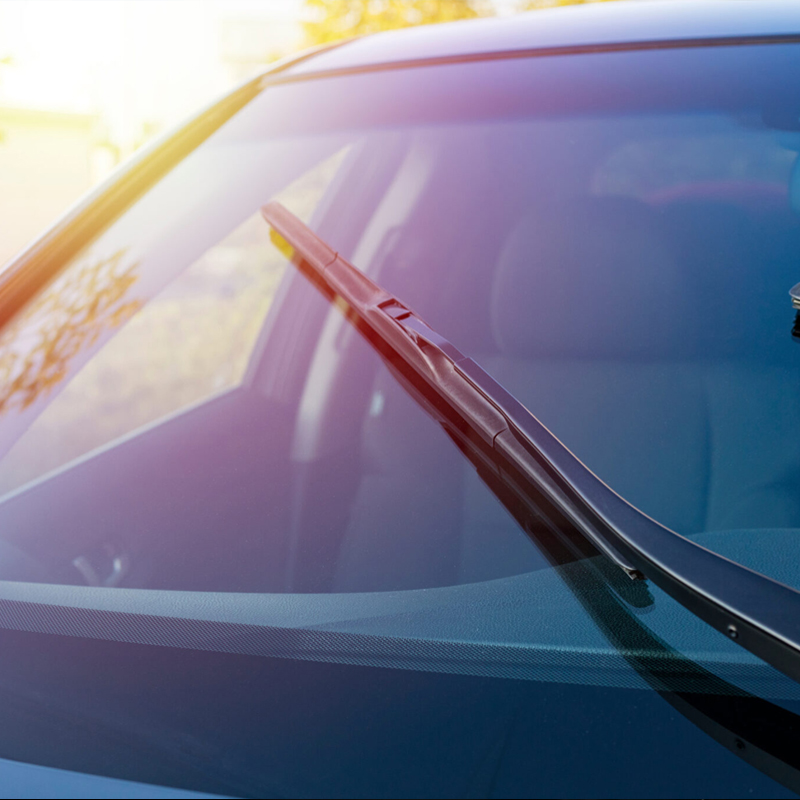
The automotive sector represents the largest market for PVB film, consuming approximately 600 million square meters annually. Modern vehicles incorporate PVB-laminated windshields as mandatory safety features in most jurisdictions. Advanced acoustic PVB formulations, containing special damping layers, reduce interior noise by 3-6 decibels compared to standard PVB.
Recent innovations include infrared-reflective PVB films that reject up to 40% of solar heat, improving cabin comfort and reducing air conditioning energy consumption by approximately 15%. Head-up display (HUD) compatible PVB with controlled refractive index variations prevents image ghosting in advanced driver assistance systems.
Architectural and Building Applications
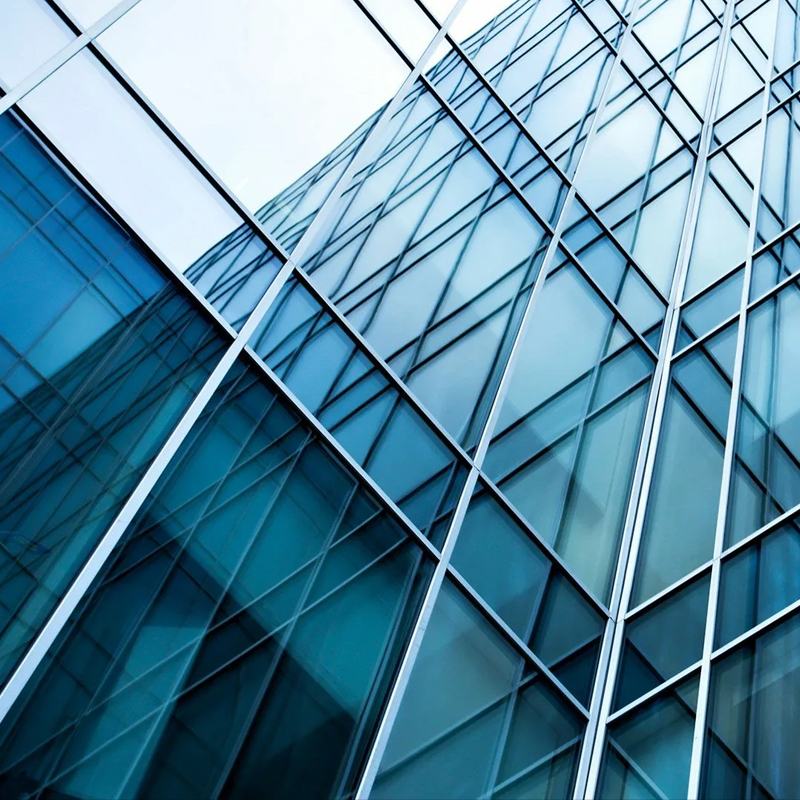
Architectural laminated glass using PVB film provides safety, security, and design flexibility for commercial and residential buildings. Applications include:
- Hurricane-resistant glazing meeting impact standards like ASTM E1996
- Blast-resistant windows for high-security facilities
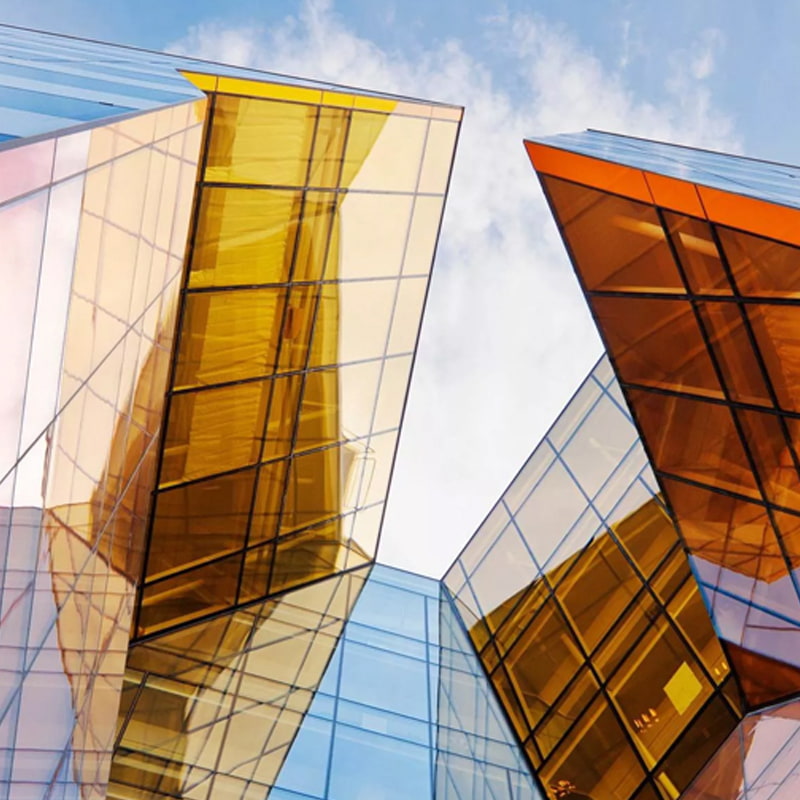
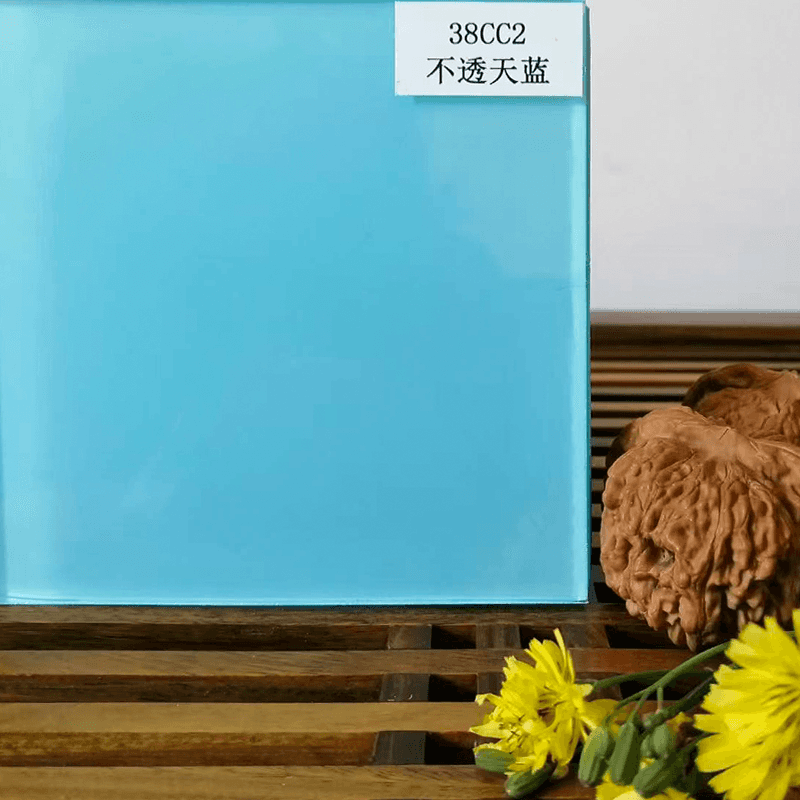
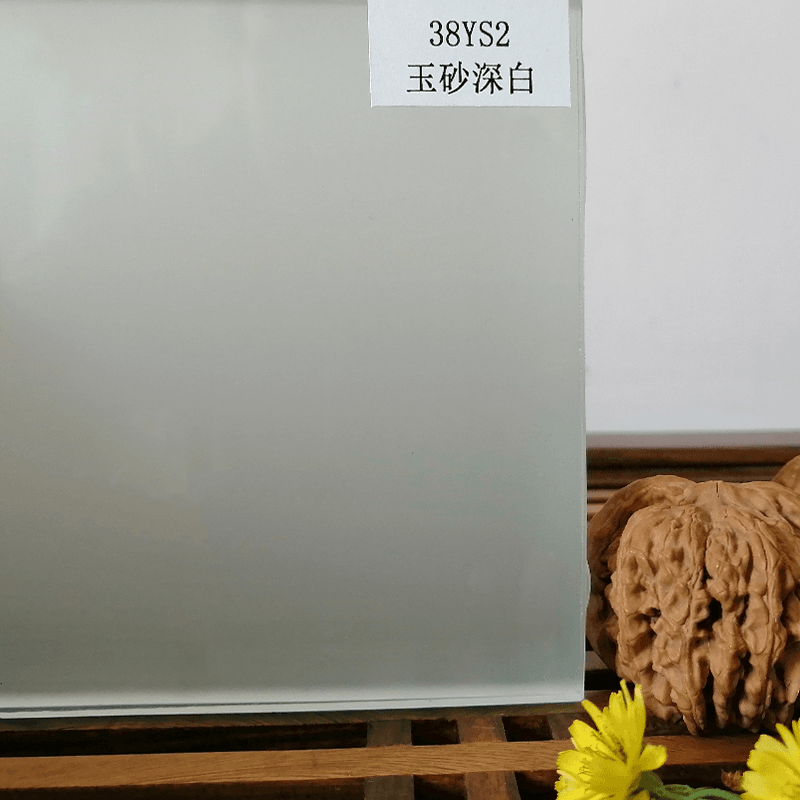
- Decorative glass with colored or printed PVB interlayers
- Glass floors, stairs, and overhead glazing requiring human impact safety
The architectural sector consumed approximately 200 million square meters of PVB film in 2023, with growth driven by increasingly stringent building codes and hurricane-prone region construction.
Photovoltaic Module Encapsulation
Specialized PVB formulations serve as encapsulant materials in building-integrated photovoltaic (BIPV) systems and certain solar panel designs. These films protect solar cells while maintaining optical transmission efficiency above 90%. The photovoltaic application segment has grown at a compound annual rate of 12% since 2020, driven by renewable energy expansion and dual-function building envelope systems.
Installation and Lamination Guidelines
Proper Handling and Storage
PVB film requires careful handling to prevent contamination and moisture-related defects. Storage facilities should maintain:
- Temperature between 18-24°C with minimal fluctuation
- Relative humidity at 25-30% to preserve optimal moisture content
- Clean, dust-free environment with controlled air filtration
- Protection from direct sunlight and heat sources
Films stored under improper conditions may develop blocking (adhesion between layers on the roll) or moisture imbalance, leading to defect rates exceeding 15% during lamination.
Autoclave Lamination Process
The standard autoclave process for PVB lamination follows a controlled heating and pressurization cycle:
- Glass cleaning and inspection to remove contaminants
- PVB film placement between glass plies in cleanroom conditions
- Pre-pressing at 90-110°C using nip rollers or vacuum bag
- Autoclave processing at 135-145°C and 12-14 bar for 90-120 minutes
- Controlled cooling to prevent thermal stress
Proper process control achieves adhesion values of 1500-2000 J/m² as measured by wedge test, ensuring long-term laminate integrity.
Emerging Technologies and Future Developments
Smart Glass Integration
Advanced PVB formulations now incorporate functional additives enabling smart glass technologies. Electrochromic PVB films contain conductive particles that allow voltage-controlled tint adjustment, reducing glare and solar heat gain by up to 70%. Thermochromic variants automatically darken at temperatures above 25°C, providing passive solar control without electrical input.
Research into suspended particle device (SPD) technology embedded within PVB matrices has demonstrated switching times under 3 seconds with transmission ranges from 1% to 62%, creating dynamic privacy glazing for automotive and architectural applications.
Sustainability Initiatives
Environmental concerns are driving development of bio-based plasticizers derived from vegetable oils and recycling technologies for end-of-life laminated glass. Current recycling methods recover approximately 90% of glass content, but PVB separation remains challenging. New chemical and thermal processes under development aim to recover PVB for reprocessing into new film or alternative applications such as carpet backing and acoustic insulation.
Several manufacturers have introduced PVB films with up to 30% post-industrial recycled content while maintaining performance specifications, reducing virgin material consumption and manufacturing carbon footprint by approximately 20%.
Common Issues and Troubleshooting
Defect Prevention and Resolution
Lamination defects can significantly impact product quality and yield rates. The most frequent issues include:
| Defect Type | Primary Cause | Solution |
|---|---|---|
| Edge Delamination | Insufficient edge sealing | Increase autoclave pressure/time |
| Air Bubbles | Contamination or poor pre-press | Improve cleaning, optimize vacuum |
| Haze or Cloudiness | Moisture imbalance in PVB | Control storage humidity |
| Optical Distortion | Uneven film thickness | Use premium-grade PVB |
Implementing proper quality control protocols throughout the lamination process can reduce defect rates from industry averages of 8-12% to below 3%, significantly improving production efficiency and material utilization.