language
 English
 русский
 Español
 عربى
عربى
 中文简体
中文简体

Content
- 1 What Is SGP Interlayer Film
- 2 Key Performance Characteristics
- 3 Manufacturing and Processing
- 4 Architectural Applications
- 5 Comparison with Other Interlayer Materials
- 6 Design Considerations and Standards
- 7 Cost Analysis and Economic Factors
- 8 Quality Control and Testing
- 9 Future Developments and Innovations
What Is SGP Interlayer Film
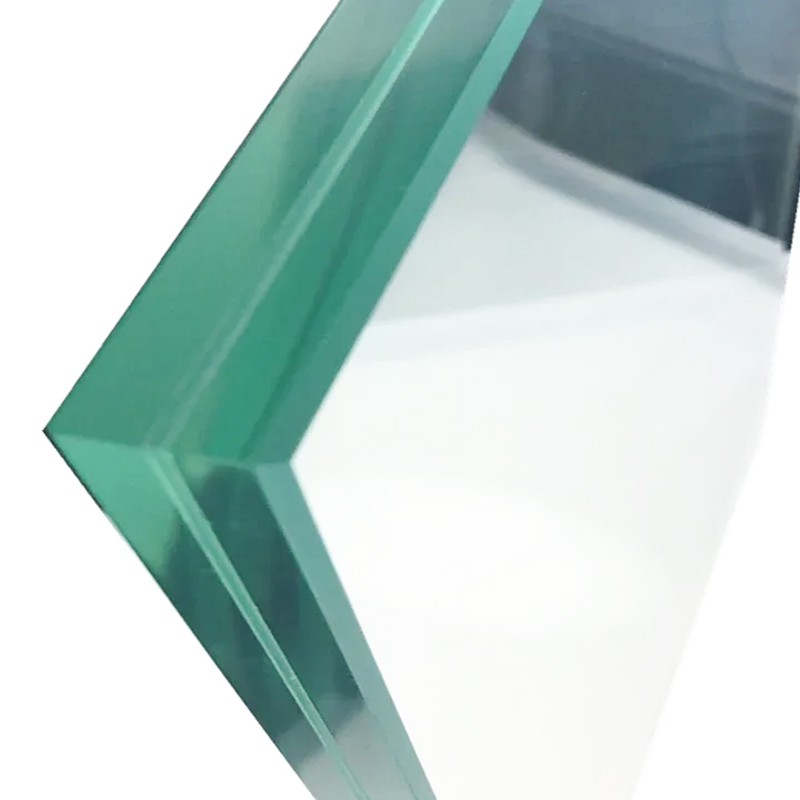
SGP (SentryGlas Plus) interlayer film is an ionoplast-based polymer material used in laminated safety glass that offers exceptional strength, stiffness, and optical clarity. Developed by DuPont and now manufactured by Kuraray, SGP interlayer provides up to 5 times the tear strength and 100 times the stiffness of traditional PVB (polyvinyl butyral) interlayers. This advanced material bonds glass panels together to create structural glazing systems capable of withstanding extreme loads, impacts, and environmental conditions while maintaining transparency and visual quality.
The film typically ranges from 0.89mm to 2.28mm in thickness and can be layered in multiple configurations to achieve specific performance requirements. SGP's molecular structure provides superior adhesion to glass surfaces, resistance to moisture and temperature fluctuations, and remarkable post-breakage performance that keeps glass fragments bonded even after severe impact.
Key Performance Characteristics
Mechanical Strength and Stiffness
SGP interlayer film demonstrates exceptional mechanical properties that distinguish it from conventional interlayer materials. The tensile strength reaches approximately 35 MPa at 23°C, compared to PVB's 20-25 MPa range. This superior strength translates directly into thinner, lighter laminated glass constructions that maintain equivalent or better structural performance.
The shear modulus of SGP remains stable across temperature variations, maintaining approximately 150 MPa even at elevated temperatures where PVB interlayers soften significantly. This characteristic enables SGP-laminated glass to function as a structural element rather than merely a safety barrier.
Optical Properties
SGP interlayer maintains exceptional optical clarity with over 90% light transmission, comparable to or exceeding PVB performance. The material exhibits minimal yellowing over time, even under prolonged UV exposure, with color shift values (Δb*) typically remaining below 1.5 after 5,000 hours of accelerated weathering tests. This stability ensures architectural glazing maintains its aesthetic appearance throughout decades of service life.
Environmental Resistance
Unlike PVB, which can delaminate when exposed to edge moisture ingress, SGP demonstrates remarkable resistance to environmental degradation. Testing shows less than 5% loss in adhesion strength after 2,000 hours of humidity exposure at 50°C and 95% relative humidity. This durability makes SGP particularly suitable for humid climates, coastal environments, and applications with potential water exposure.
Manufacturing and Processing
Lamination Process Requirements
SGP interlayer requires specific lamination parameters to achieve optimal bonding and performance. The standard autoclave process operates at:
- Temperature: 135-150°C, higher than PVB's typical 120-140°C range
- Pressure: 12-14 bar, maintained for 90-180 minutes depending on glass thickness
- Cooling rate: Controlled to prevent internal stress, typically 2-4°C per minute
Storage and Handling
SGP film should be stored in controlled environments at 15-25°C with relative humidity below 30%. The material comes with protective polyethylene liners that must remain in place until immediately before lamination. Proper handling prevents surface contamination and moisture absorption, which can compromise adhesion quality. Manufacturers typically recommend using SGP within 12 months of production date when stored correctly.
Architectural Applications
Structural Glazing Systems
SGP interlayer enables architects to design glass structures that were previously impossible with conventional interlayers. Notable applications include:
- Glass floors and walkways supporting up to 5 kN/m² loads while maintaining transparency
- Frameless glass balustrades meeting building codes without additional metal supports
- Overhead glazing in atriums, canopies, and skylights with enhanced post-breakage retention
- Hurricane-resistant facades tested to withstand wind speeds exceeding 250 km/h
The Apple Store glass staircases and cube structures demonstrate SGP's capabilities, using custom laminated panels up to 50mm thick composed of multiple glass layers bonded with SGP interlayer to achieve structural integrity without visible supports.
Security and Blast-Resistant Glazing
SGP-laminated glass provides superior protection in security-critical applications. Testing according to EN 1063 standards shows that SGP configurations can achieve BR7 ballistic resistance ratings with 30-40% less total thickness compared to PVB equivalents. For blast mitigation, SGP maintains glass fragment retention even under severe explosive loading, protecting building occupants from flying debris.
Aquarium and Marine Environments
Large-scale aquarium viewing panels increasingly utilize SGP interlayer due to its exceptional resistance to long-term water exposure and hydrostatic pressure. Projects like the Dubai Mall Aquarium employ SGP-laminated panels exceeding 750mm in thickness, withstanding pressures above 250 kPa while maintaining optical clarity after years of continuous submersion.
Comparison with Other Interlayer Materials
| Property | SGP | PVB | EVA |
|---|---|---|---|
| Tensile Strength (MPa) | 35 | 20-25 | 8-12 |
| Shear Modulus (MPa at 23°C) | 150 | 1.5-3 | 0.5-1 |
| Tear Resistance (N/mm) | 400+ | 80-100 | 50-70 |
| Moisture Resistance | Excellent | Moderate | Good |
| UV Stability | Excellent | Good | Fair |
| Relative Cost | High (3-5x PVB) | Standard | Low |
While SGP commands a premium price, the material enables thinner glass constructions that can offset costs through reduced glass weight and structural framing requirements. A typical structural glazing application might use 44.4mm SGP laminate (two 19mm glass panels with 6mm interlayer) instead of 66.4mm PVB equivalent, reducing total system weight by approximately 30%.
Design Considerations and Standards
Load-Bearing Calculations
Engineers designing with SGP-laminated glass can utilize the material's enhanced stiffness to create slimmer profiles. Design methodologies account for SGP's shear transfer efficiency, typically assuming 70-90% composite action between glass plies compared to 10-30% for PVB at room temperature. This dramatically reduces deflection under load and extends spanning capabilities.
European standard EN 16612 and ASTM E1300 provide calculation frameworks for laminated glass incorporating SGP interlayer properties. Software tools like LBNL Window and FEM analysis programs now include SGP-specific material parameters for accurate structural prediction.
Edge Treatment and Sealing
Proper edge protection extends SGP-laminated glass service life significantly. While SGP resists moisture better than PVB, exposed edges still benefit from appropriate sealing systems. Recommendations include:
- Polished or ground edges sealed with structural silicone for outdoor applications
- Minimum 3mm setback of interlayer from glass edge in high-humidity environments
- Regular inspection of edge seals in critical structural applications
Cost Analysis and Economic Factors
SGP interlayer film typically costs 3 to 5 times more than standard PVB on a per-square-meter basis, with prices varying based on thickness, order volume, and regional availability. However, total project economics involve multiple considerations:
- Reduced glass thickness requirements can save 20-35% on glass material costs
- Lighter panels reduce installation equipment and labor costs by 15-25%
- Extended service life (30+ years vs. 15-20 for PVB in harsh environments) reduces replacement frequency
- Simplified structural framing enabled by self-supporting glass can offset 40-60% of interlayer premium
For high-performance applications like structural glazing, hurricane protection, and security barriers, SGP often proves more cost-effective over the building lifecycle despite higher upfront material costs.
Quality Control and Testing
Quality assurance for SGP-laminated glass involves comprehensive testing protocols:
Adhesion Testing
Pummel tests according to EN 12543-4 verify interlayer bonding quality. Properly laminated SGP samples should show minimal glass detachment with most fragments remaining bonded to interlayer after impact. Testing at elevated temperatures (70°C) ensures performance under extreme conditions.
Optical Quality Inspection
Visual defects including bubbles, particles, or haze are assessed against standards like EN 1279. SGP laminates typically achieve Grade A classification with defect densities below 0.5 per square meter for particles exceeding 1mm diameter. Advanced manufacturers employ automated optical inspection systems to ensure consistent quality.
Environmental Durability Testing
Accelerated aging tests simulate decades of environmental exposure. Standard protocols include 1,000+ hours of UV exposure, thermal cycling between -20°C and +80°C, and humidity aging at 50°C/95% RH. SGP-laminated glass must maintain adhesion, clarity, and mechanical properties throughout these rigorous evaluations.
Future Developments and Innovations
Ongoing research continues expanding SGP interlayer capabilities and applications. Current development areas include:
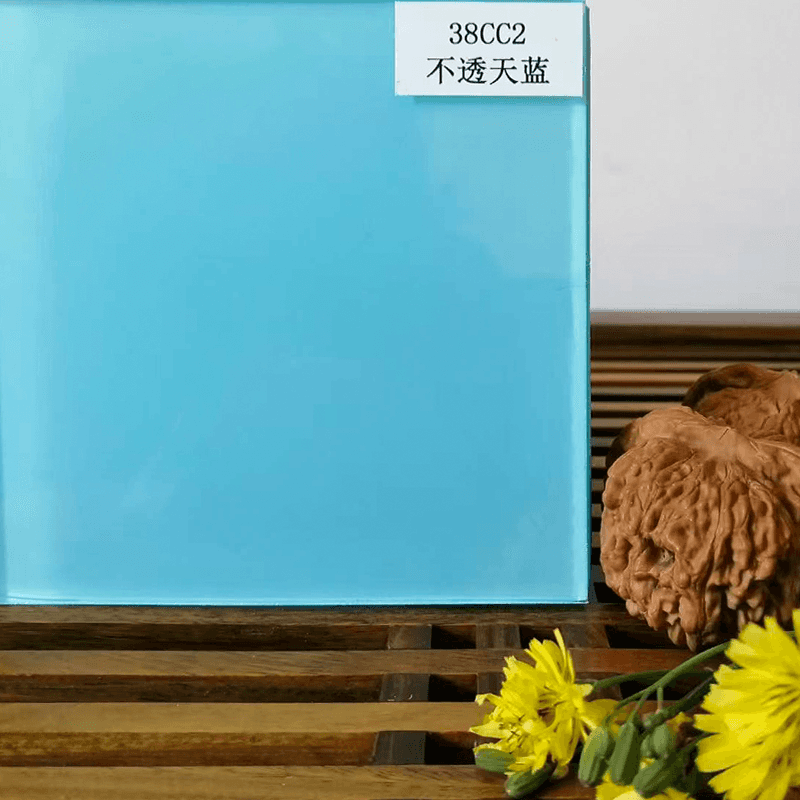
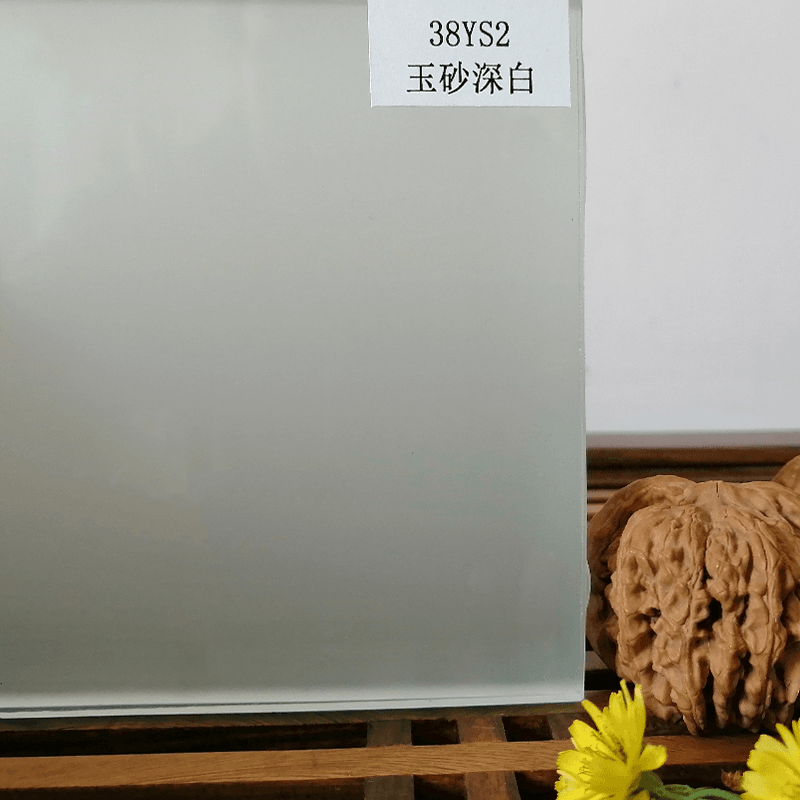
- Colored and tinted SGP variants for aesthetic applications without compromising structural performance
- Integrated smart glass technologies combining SGP with electrochromic, thermochromic, or PDLC layers
- Enhanced fire-resistant formulations providing up to 120-minute fire ratings in laminated assemblies
- Photovoltaic integration enabling structural, transparent building-integrated solar panels
- Improved manufacturing efficiency targeting cost reductions of 20-30% through process optimization
Sustainability initiatives focus on recyclability, with pilot programs demonstrating successful separation and recovery of SGP from end-of-life laminated glass achieving over 85% material recovery rates. As circular economy principles gain importance in construction, these capabilities position SGP as an environmentally responsible choice for long-term architectural projects.