language
 English
 русский
 Español
 عربى
عربى
 中文简体
中文简体

Content
Understanding PVB Interlayer Film
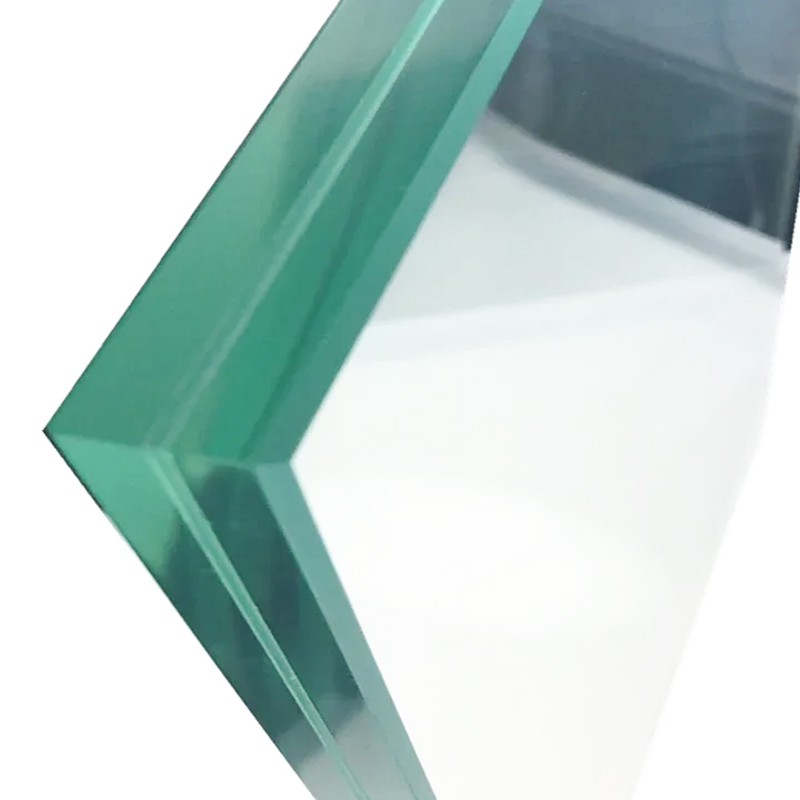
PVB (Polyvinyl Butyral) interlayer film is a transparent, resin-based material commonly used in laminated safety glass. It enhances the mechanical strength of glass, providing impact resistance, sound insulation, and UV protection. PVB interlayer film is widely used in automotive, architectural, and solar applications, offering both safety and aesthetic benefits.
Key Properties of PVB Interlayer Film
PVB films are valued for their unique combination of flexibility, clarity, and adhesive properties. Understanding these characteristics helps manufacturers and installers optimize the performance of laminated glass.
Transparency and Clarity
High optical clarity allows PVB interlayer film to maintain the visual aesthetics of laminated glass. This property is critical in architectural applications where natural light and unobstructed views are desired.
Impact Resistance
PVB significantly enhances the impact resistance of laminated glass. When the glass is broken, the PVB layer holds fragments together, reducing the risk of injury from sharp shards. This makes it ideal for safety glass in vehicles and buildings.
Sound Insulation
Due to its viscoelastic properties, PVB interlayer film provides effective sound damping. Laminated glass with PVB can reduce noise levels from traffic or industrial environments, improving indoor acoustic comfort.
Common Applications of PVB Interlayer Film
PVB interlayer films are versatile and serve multiple industries where safety, aesthetics, or acoustic performance is essential.
Automotive Industry
In vehicles, PVB is used in windshields and sunroofs to enhance passenger safety. The interlayer prevents glass from shattering into dangerous fragments during collisions, and it can also improve UV protection and reduce noise inside the cabin.
Architectural Glass
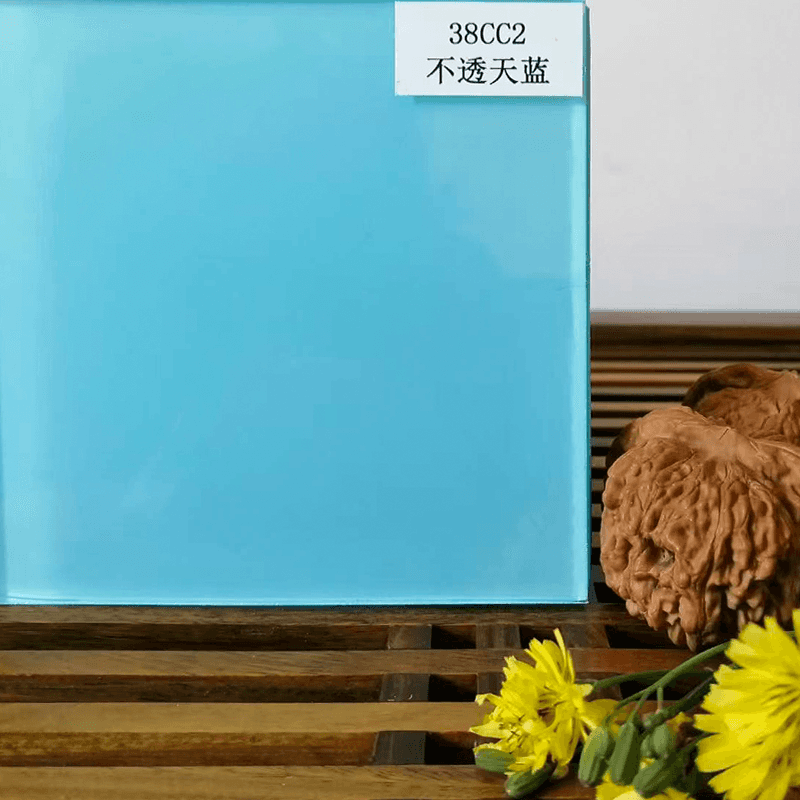
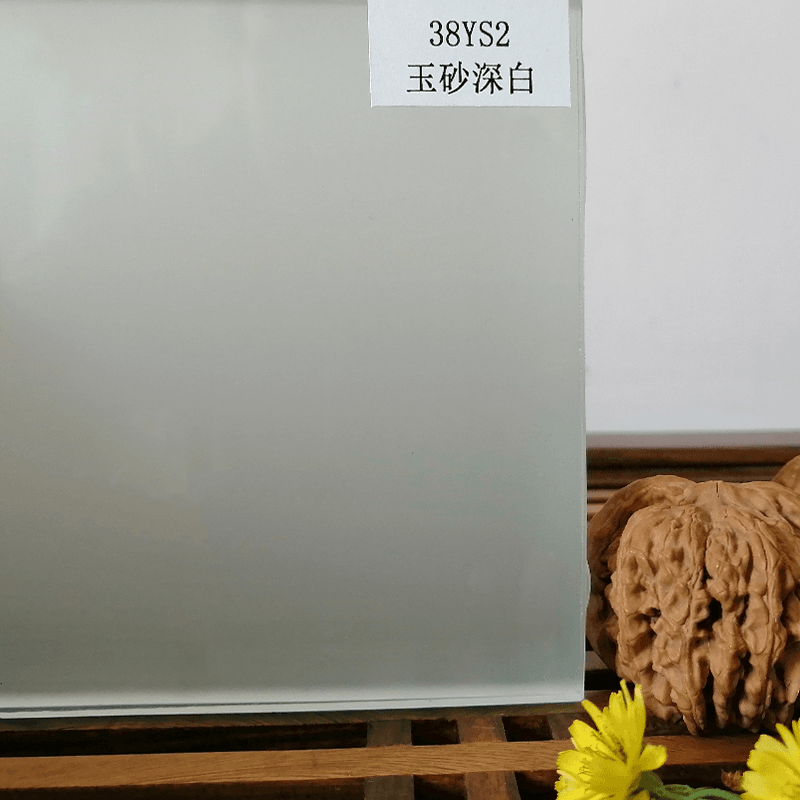
Laminated glass with PVB interlayers is widely used in facades, skylights, and balustrades. The interlayer enhances structural integrity, provides additional security against break-ins, and can offer decorative options such as colored or patterned films.
Solar and Energy Applications
PVB interlayers are also used in photovoltaic modules to improve durability and impact resistance. They protect the solar cells from environmental stress while maintaining high transparency for optimal energy absorption.
Installation and Handling Tips
Proper handling and installation are crucial to maximize the performance of PVB interlayer films. The following best practices can prevent defects and extend the service life of laminated glass.
Storage Conditions
Store PVB films in a cool, dry environment, away from direct sunlight. Avoid folding or bending the film, as this can cause permanent creases that affect adhesion and optical clarity.
Lamination Process
The lamination process involves sandwiching the PVB film between two glass sheets, followed by heating and pressing under controlled vacuum conditions. Proper temperature, pressure, and alignment are critical to avoid bubbles, delamination, or uneven thickness.
Inspection and Maintenance
After lamination, visually inspect the glass for clarity and uniformity. Regular cleaning with non-abrasive solutions helps maintain transparency and prevents chemical damage to the PVB layer.
Comparing PVB with Other Interlayer Films
While PVB is the most widely used interlayer, other materials such as SGP (SentryGlas Plus) and EVA (Ethylene Vinyl Acetate) have specific advantages. Understanding these differences can guide material selection.
| Interlayer Type | Key Feature | Typical Use |
| PVB | Flexible, high clarity, impact resistant | Automotive and architectural glass |
| SGP | Ultra-high strength, rigid | Structural glazing and hurricane-resistant applications |
| EVA | UV resistant, durable in solar panels | Photovoltaic modules |
Conclusion
PVB interlayer film is a practical solution for enhancing safety, acoustic performance, and aesthetics in laminated glass applications. By understanding its properties, applications, and proper handling techniques, professionals can ensure optimal performance and long-term reliability of laminated glass installations.