language
 English
 русский
 Español
 عربى
عربى
 中文简体
中文简体

Content
Introduction to EVA Film
Ethylene-vinyl acetate (EVA) film is a versatile material widely used in industries such as solar panel manufacturing, packaging, and laminating. Its unique properties, including flexibility, transparency, and strong adhesion, make it suitable for protective and functional applications. Understanding its characteristics and practical uses is essential for maximizing efficiency and product quality.
Key Properties of EVA Film
EVA film offers a combination of mechanical, chemical, and optical properties that make it highly adaptable. Below are some of its key characteristics:
- High transparency and clarity, ideal for visible product layers.
- Excellent adhesion to glass, metals, and other polymers.
- Resistance to UV light, weathering, and aging.
- Flexibility and softness, which enable easy handling and lamination.
- Good thermal stability, allowing processing at moderate temperatures.
Applications in Solar Panels
One of the most prominent uses of EVA film is in the solar energy industry. It serves as an encapsulant between the photovoltaic cells and the protective glass layer. Its role is critical in ensuring durability, efficiency, and longevity of solar modules.
Function in Solar Modules
EVA film cushions the solar cells, providing shock absorption and preventing micro-cracks. It also creates a sealed environment to protect cells from moisture, dust, and mechanical stress. The transparency of EVA ensures maximum light transmission for energy conversion efficiency.
Processing Tips for Solar EVA Film
Proper lamination techniques are essential for optimal performance. Key considerations include:
- Pre-cleaning of glass and cells to remove dust and oils.
- Controlled heating cycles to activate the adhesive properties without damaging components.
- Proper pressure application to avoid bubbles and voids.
- Post-lamination testing to ensure uniform thickness and adhesion.
Industrial and Packaging Uses
Beyond solar panels, EVA film finds applications in packaging and industrial sectors. Its flexibility, chemical resistance, and cushioning properties make it ideal for food packaging, protective wrapping, and laminated sheets.
Packaging Applications
In packaging, EVA film protects fragile items and maintains freshness for perishable products. It is commonly used in vacuum-sealed packaging and heat-sealable pouches due to its adhesive and thermal properties.
Industrial Laminating
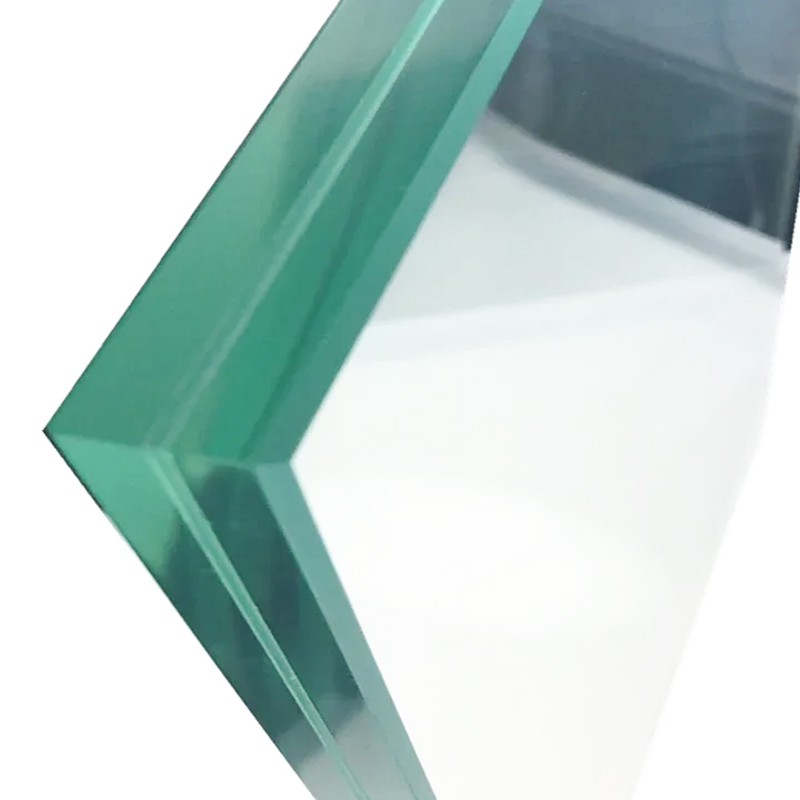
EVA film is used for laminating printed materials, electronic components, and decorative sheets. Its properties ensure durability, transparency, and improved surface finish. Laminating with EVA enhances resistance to moisture and mechanical wear.
Comparative Overview of EVA Films
Different grades of EVA film are available, each tailored for specific applications. The following table summarizes common types and their key characteristics:
| Type | Main Application | Thickness | Transparency |
| Solar EVA | Photovoltaic panels | 0.3–0.5 mm | High |
| Packaging EVA | Food and consumer goods | 0.05–0.2 mm | Medium |
| Industrial Laminating EVA | Printed materials, decorative sheets | 0.1–0.3 mm | High |
Best Practices for Handling EVA Film
Proper handling of EVA film ensures performance consistency and minimizes defects. Key practices include:
- Store in a cool, dry environment to prevent premature aging.
- Avoid direct exposure to sunlight before use to maintain optical clarity.
- Use clean, dust-free surfaces during lamination or packaging processes.
- Handle rolls carefully to prevent creases, wrinkles, or contamination.
Conclusion
EVA film is a highly adaptable material that plays a critical role in modern manufacturing and packaging industries. Its unique combination of transparency, flexibility, and adhesive properties makes it indispensable in solar panels, protective packaging, and lamination applications. By understanding its characteristics, proper handling, and processing techniques, professionals can ensure long-lasting and high-performance outcomes.