language
 English
 русский
 Español
 عربى
عربى
 中文简体
中文简体
Content
Glass breaks — that is not the problem. The problem is what happens after it breaks. A properly laminated panel holds its shards in place, preventing injury and structural failure. The interlayer you choose determines whether that protection holds. For a growing number of architects, fabricators, and glaziers, EVA film has become the preferred answer — and for good reason.
What Makes EVA Film Different from Other Interlayers
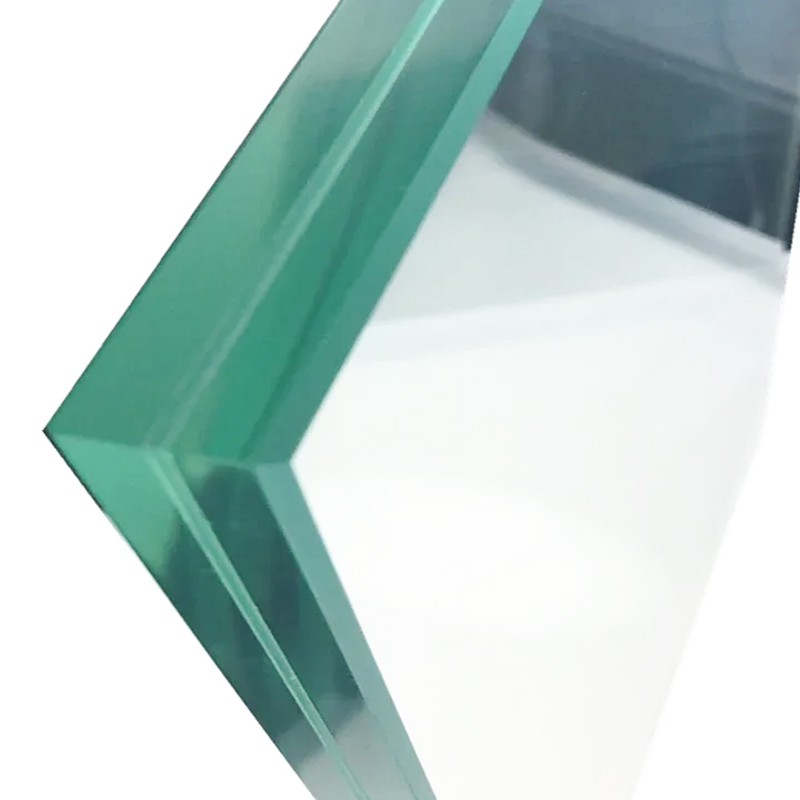
Ethylene vinyl acetate film is a thermoplastic copolymer interlayer that bonds two or more glass panes under heat and vacuum pressure. Unlike PVB, which demands autoclave processing at 120–150 °C and strict humidity-controlled storage (25–40% RH), EVA requires only a vacuum laminating furnace and more forgiving ambient storage conditions (below 30 °C, humidity below 80%).
That difference is not trivial. For small and mid-sized fabricators, equipment costs for an EVA line run roughly 60–70% of a comparable PVB autoclave setup. Fewer process variables also mean fewer defect callbacks — a meaningful advantage when margins are tight.
Optically, EVA competes at the top. Light transmission regularly exceeds 90%, with a low-yellowing formula that keeps the glass looking clear even after years of UV exposure. PVB can discolor over time without additional UV treatment; EVA's stabilizers are baked into the matrix.
The Three Main Types and Where Each Fits
Not all eva lamination film is the same product. The base chemistry is consistent, but formulation and finish vary by application. Here are the three categories worth understanding:
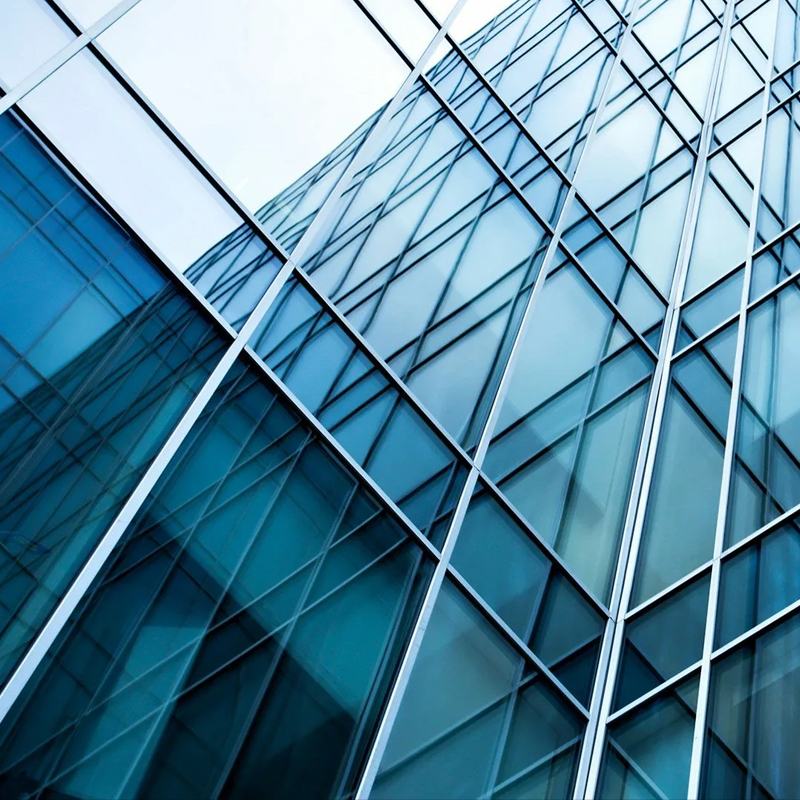
- Highly Transparent EVA — The go-to for architectural curtain walls, hotel lobby glazing, gradient laminated panels, and glass railings. High transparency EVA film for architectural and specialty glass achieves near-optical-grade clarity, making it invisible in the finished assembly. Precision extrusion ensures uniform transparency across every thickness option.
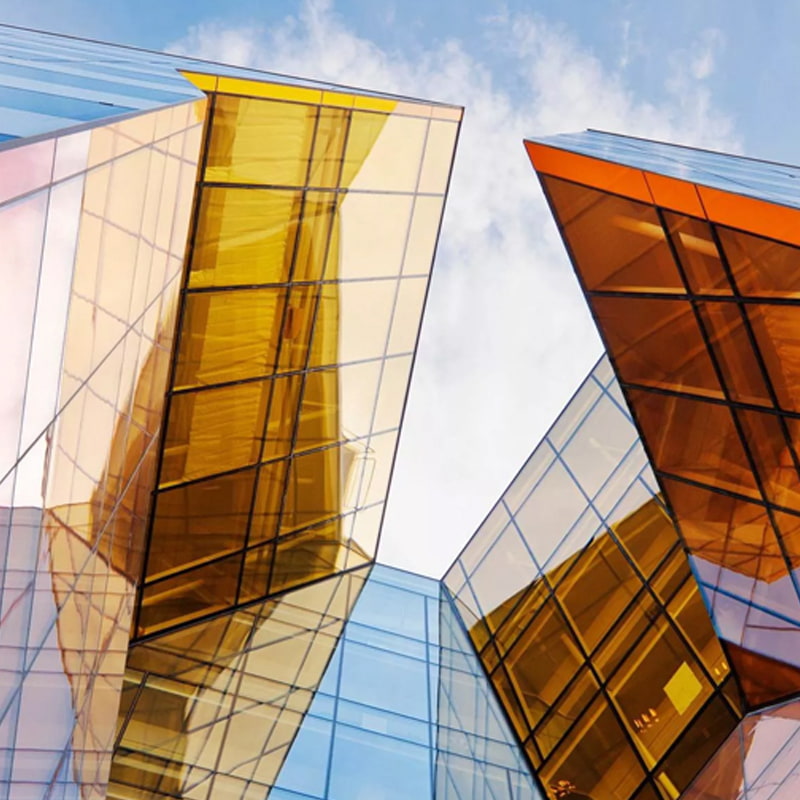
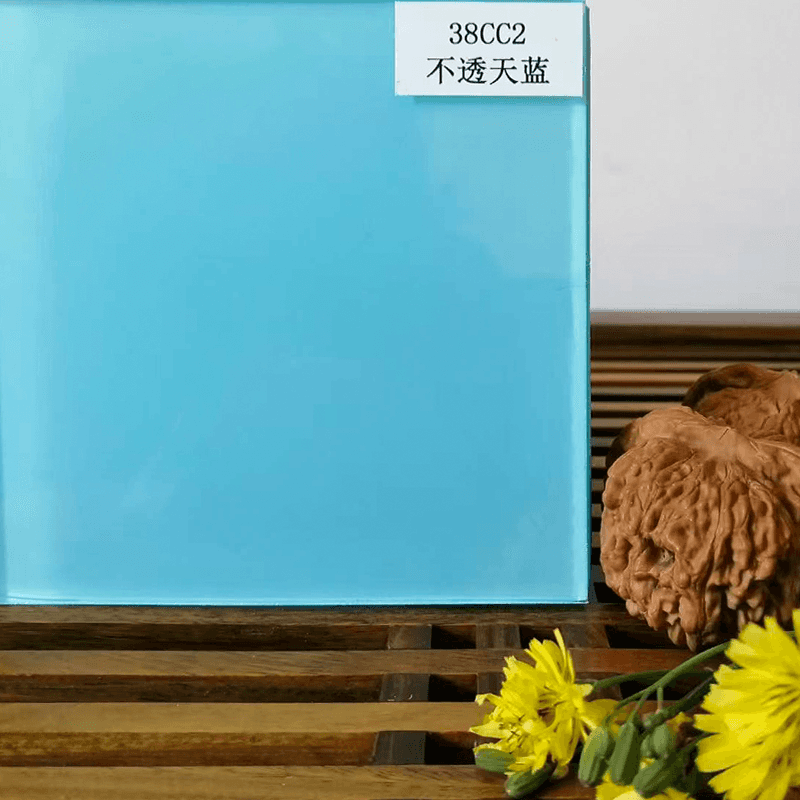
- Color EVA Film — Used in decorative interior glass — partitions, kitchen panels, feature walls, and furniture. EVA color film for decorative laminated glass panels can be customized with a wide palette, including transparent tints and opaque solid colors. Its low melt temperature reduces the risk of distorting thin or specialty-shaped glass during processing.
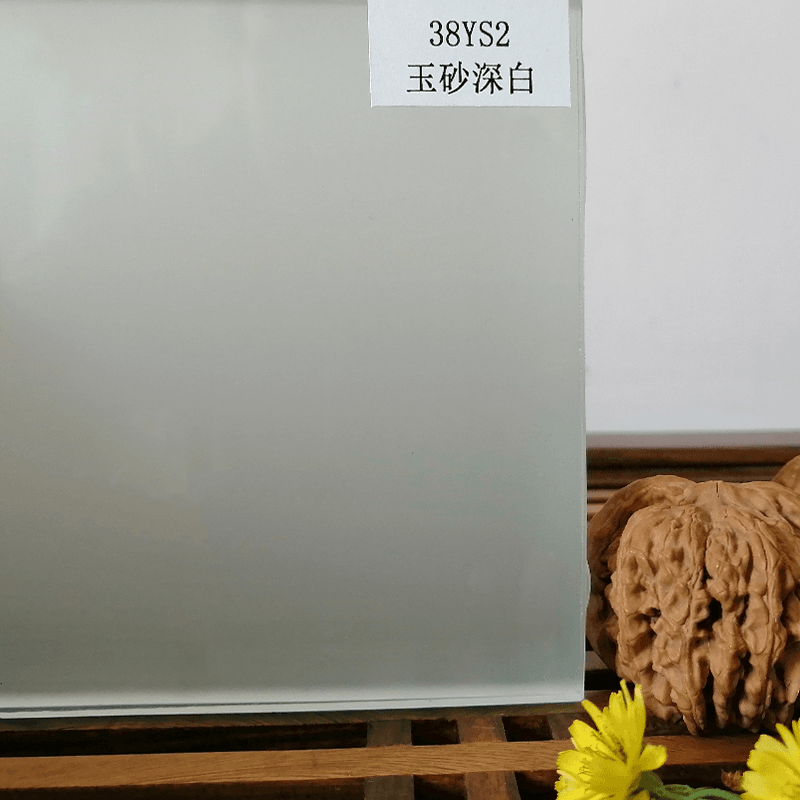
- Jade Sand (Frosted) EVA Film — Designed for privacy glass. Jade sand EVA film for frosted privacy laminated glass delivers a consistent matte, sand-texture finish that diffuses light without requiring acid etching or sandblasting of the glass surface itself — a cleaner and more controllable result.
Thickness and Specification: What the Numbers Mean
Thickness selection is one of the most practical decisions in the lamination process, and it directly affects both performance and cost. Standard EVA film for glass lamination is available in four common thicknesses:
| Thickness | Typical Application | Notes |
|---|---|---|
| 0.38 mm | Interior decorative glass, thin-glass laminates | Lightest option; suitable for non-structural use |
| 0.50 mm | General architectural glass, sunrooms | Balanced performance and material cost |
| 0.76 mm | Curtain walls, railings, safety-critical panels | Stronger retention after breakage |
| 1.14 mm | High-load structural or overhead glazing | Maximum interlayer thickness; highest post-break stability |
Sheet width reaches up to 2500 mm, covering the majority of architectural panel sizes without a join. Roll lengths run 30–100 meters depending on the order, which gives fabricators flexibility in planning cutting schedules and minimizing waste.
Processing Parameters You Should Know Before You Start
Getting the lamination right comes down to controlling three variables: temperature, vacuum hold time, and cooling rate. For the highly transparent series, the target processing temperature is 135 °C, with a single-layer glass insulation hold of no less than 60 minutes. This dwell time ensures full crosslinking of the EVA matrix — cutting it short is the most common cause of delamination failures in the field.
Air removal is non-negotiable. Any bubble trapped before the EVA reaches crosslinking temperature will be permanently locked into the laminate. Pre-lay the film carefully, use a proper vacuum bag or membrane press, and confirm the vacuum is stable before ramping heat. After the hold, cool under vacuum to at least 40 °C before breaking seal.
Storage matters too. Keep rolls away from direct sunlight, at temperatures below 30 °C and humidity below 80%. Unlike PVB, you do not need a dedicated cold room — but poor storage will still degrade adhesion performance over time.
When to Choose EVA Over PVB
PVB remains the dominant choice for automotive windshields and large-volume architectural orders where autoclave lines are already in place. EVA wins in four clear scenarios:
- Projects embedding decorative layers (fabrics, films, paper) that would be damaged by autoclave pressure
- Smart glass (PDLC/electrochromic) lamination, where EVA's lower melt temperature protects the liquid crystal layer
- Outdoor open-edge applications, where EVA's near-zero water absorption (below 0.1%) prevents edge delamination that PVB is prone to in humid climates
- Smaller fabricators or custom shops where autoclave investment is not justified by order volume
For high-structural or blast-resistant glazing, SGP (ionoplast) still holds the strength advantage. But for the broad middle ground of architectural, decorative, and specialty glass, ethylene vinyl acetate film offers a compelling combination of optical quality, process simplicity, and design flexibility that is hard to match.
Final Checklist Before Ordering
Before placing an order for EVA film for glass lamination, confirm the following with your supplier:
- Thickness range available and whether custom thicknesses are supported
- Maximum roll width (2500 mm should cover most architectural panels)
- Certified processing temperature and minimum hold time specs
- UV stabilizer content and aging test data (yellowing index after accelerated weathering)
- Compatibility with your existing lamination equipment — vacuum oven vs. autoclave
The right interlayer does not just hold glass together — it quietly determines the longevity, clarity, and safety performance of everything built around it. Getting the specification right at the start is always cheaper than fixing failures after installation.