language
 English
 русский
 Español
 عربى
عربى
 中文简体
中文简体

Content
EVA film (Ethylene-Vinyl Acetate film) is a thermoplastic copolymer material composed of ethylene and vinyl acetate monomers, widely used in solar panel encapsulation, lamination processes, packaging, and construction applications. With vinyl acetate content typically ranging from 5% to 40%, EVA film offers excellent flexibility, transparency, adhesion, and UV resistance, making it an essential material across multiple industries.
This versatile polymer combines the toughness of polyethylene with the flexibility and adhesive properties of vinyl acetate, creating a material that serves as both a protective barrier and bonding agent in countless applications.
Chemical Composition and Structure
EVA film is created through the copolymerization of ethylene and vinyl acetate monomers. The ratio of these components determines the film's final properties and performance characteristics.
Vinyl Acetate Content Impact
The vinyl acetate (VA) percentage directly influences the material's behavior:
- Low VA content (5-15%): Provides higher crystallinity, better mechanical strength, and properties closer to polyethylene
- Medium VA content (15-25%): Offers balanced flexibility and adhesion, commonly used in solar applications
- High VA content (25-40%): Delivers superior flexibility, adhesion, and transparency, ideal for lamination and hot melt adhesives
For example, solar-grade EVA films typically contain 28-33% vinyl acetate, optimizing both optical clarity and adhesive strength for photovoltaic module encapsulation.
Key Properties and Characteristics
EVA film exhibits a unique combination of physical and chemical properties that make it valuable across diverse applications.
| Property | Typical Range | Significance |
|---|---|---|
| Melting Point | 65-110°C | Enables low-temperature processing |
| Light Transmittance | 85-95% | Critical for solar panel efficiency |
| Elongation at Break | 400-800% | Provides excellent flexibility |
| Density | 0.93-0.95 g/cm³ | Lightweight material |
| Volume Resistivity | >10¹⁵ Ω·cm | Excellent electrical insulation |
Additional Performance Features
- UV resistance: Withstands prolonged outdoor exposure when stabilized with additives
- Chemical resistance: Resistant to acids, bases, and most solvents
- Low-temperature flexibility: Remains pliable down to -50°C
- Stress-crack resistance: Superior to many other polyolefins
- Safe and non-toxic: FDA-approved for food contact applications
Major Application Areas
Solar Panel Encapsulation
The largest application for EVA film is in photovoltaic module manufacturing, where it accounts for approximately 50% of global EVA film consumption. In solar panels, EVA film serves multiple critical functions:
- Encapsulates and protects solar cells from moisture and environmental damage
- Bonds the front glass to the back sheet, creating a sealed structure
- Maximizes light transmission to solar cells with over 90% transparency
- Provides electrical insulation between cells and the frame
Solar-grade EVA films are typically 0.4-0.5mm thick and must withstand 25+ years of outdoor exposure without yellowing or delamination.
Lamination and Packaging
EVA film is extensively used for laminating various materials together:
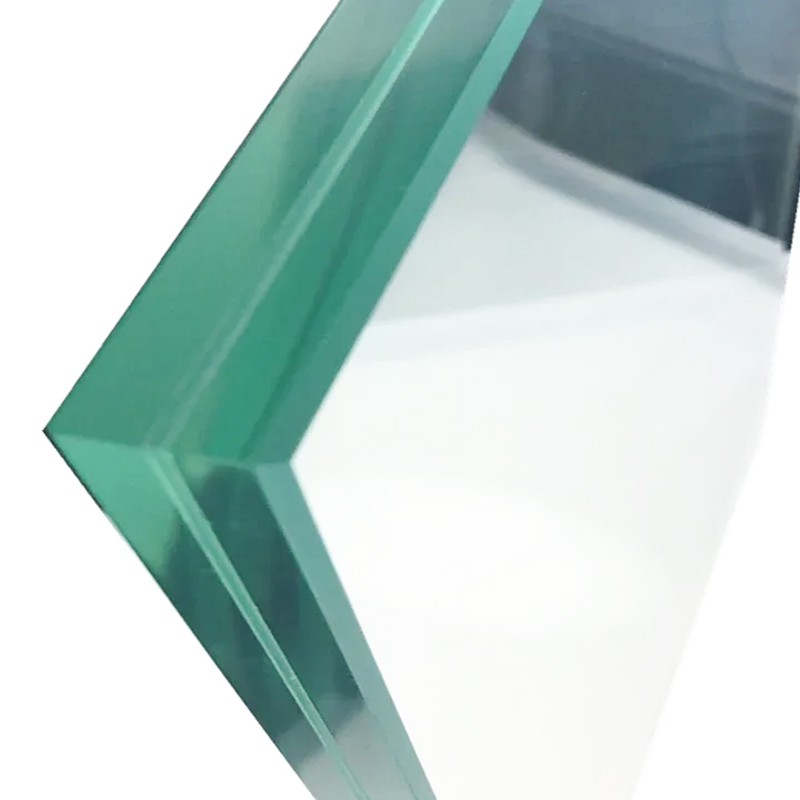
- Safety glass lamination: Automotive windshields and architectural glass use EVA for bonding layers
- Flexible packaging: Food packaging, medical packaging, and multilayer films
- Document protection: ID cards, certificates, and photographs
- Textile coating: Waterproof and decorative applications
Hot Melt Adhesives
EVA-based hot melt adhesives represent a significant market segment, used in:
- Bookbinding and paper converting
- Footwear and leather goods assembly
- Woodworking and furniture manufacturing
- Packaging and carton sealing
Other Applications
- Agriculture: Greenhouse films and mulch films
- Footwear: Foam midsoles and insoles in athletic shoes
- Cable insulation: Wire and cable coating
- Medical devices: Tubes, bags, and flexible components
Types and Grades of EVA Film
EVA films are manufactured in various grades to meet specific application requirements:
Standard EVA Film
General-purpose film suitable for basic lamination, packaging, and non-critical applications. Typically contains 18-28% vinyl acetate and offers good balance of properties at competitive pricing.
Solar-Grade EVA Film
Specially formulated for photovoltaic applications with enhanced features:
- Ultra-high light transmission (>91%)
- Superior UV resistance with specialized stabilizers
- Low moisture vapor transmission rate (<1 g/m²/day)
- Anti-PID (Potential Induced Degradation) properties
Fast-Cure EVA Film
Contains accelerated curing agents that reduce lamination time from 15-20 minutes to 8-12 minutes, increasing production efficiency in solar module manufacturing.
Co-Extruded Multi-Layer EVA Film
Features different EVA formulations in separate layers to optimize specific properties, such as one layer for adhesion and another for UV protection.
Manufacturing Process
EVA film production involves several key steps:
- Polymerization: Ethylene and vinyl acetate monomers are copolymerized under high pressure (1000-3000 bar) and temperature (150-250°C)
- Compounding: EVA resin is mixed with additives including UV stabilizers, antioxidants, crosslinking agents, and processing aids
- Extrusion: The compound is melted and extruded through a flat die or blown film die to form continuous film
- Cooling and solidification: Extruded film is rapidly cooled on chill rolls
- Winding and quality control: Film is wound into rolls and tested for thickness uniformity, transparency, and adhesion properties
For solar-grade EVA, additional quality controls ensure gel content between 70-85% after curing, optimal for long-term durability.
Advantages and Limitations
Key Advantages
- Versatility: Suitable for diverse applications from solar to packaging
- Excellent adhesion: Bonds well to glass, metal, plastics, and other substrates
- Cost-effective: Generally priced at $2-4 per kg for standard grades
- Easy processing: Low melting point enables energy-efficient manufacturing
- Safety: Non-toxic and environmentally friendly compared to PVC
- Recyclable: Can be reprocessed and reused in many applications
Limitations
- Temperature sensitivity: Softens at elevated temperatures, limiting high-heat applications
- Acetic acid release: Can release acetic acid during degradation, potentially corroding metal components
- UV degradation: Requires stabilizers for outdoor applications to prevent yellowing
- Moisture sensitivity: Higher VA content increases water absorption
Market Trends and Future Outlook
The global EVA film market was valued at approximately $8.5 billion in 2023 and is projected to reach $13 billion by 2030, driven primarily by solar energy expansion.
Growth Drivers
- Solar energy boom: Global solar installations expected to exceed 300 GW annually by 2025
- Sustainable packaging: Shift from PVC to EVA in food and medical packaging
- Electric vehicle growth: Increasing demand for laminated automotive glass
- Building-integrated photovoltaics: Expanding architectural applications
Innovation Directions
The industry is developing next-generation EVA films with:
- Enhanced anti-reflective properties to boost solar panel efficiency by 2-3%
- Self-cleaning surfaces using nano-coatings
- Bio-based EVA alternatives from renewable feedstocks
- Improved moisture barrier for extreme climate conditions
As renewable energy targets become more aggressive globally and sustainable materials gain preference, EVA film is positioned to remain a critical material in the transition to cleaner energy and environmentally conscious manufacturing.