language
 English
 русский
 Español
 عربى
عربى
 中文简体
中文简体

Content
- 1 What Is PVB Interlayer Film and Why It Matters in Architecture
- 2 How PVB Interlayer Film Delivers Superior Acoustic Performance
- 3 The UV Protection Mechanism of PVB Interlayer Film
- 4 Acoustic vs. UV Performance: Choosing the Right PVB Film Specification
- 5 Real-World Architectural Applications
- 6 Why Architects and Specifiers Trust PVB Interlayer Film
Modern architecture increasingly relies on glass as a primary building material — from soaring curtain walls and floor-to-ceiling windows to skylights and structural facades. Yet glass, by its very nature, poses two persistent challenges: the transmission of external noise and the penetration of harmful ultraviolet radiation. Architectural PVB interlayer film has emerged as the industry's most reliable answer to both problems simultaneously, transforming ordinary laminated glass into a high-performance building envelope that protects occupants from the outside world in more ways than one.
What Is PVB Interlayer Film and Why It Matters in Architecture
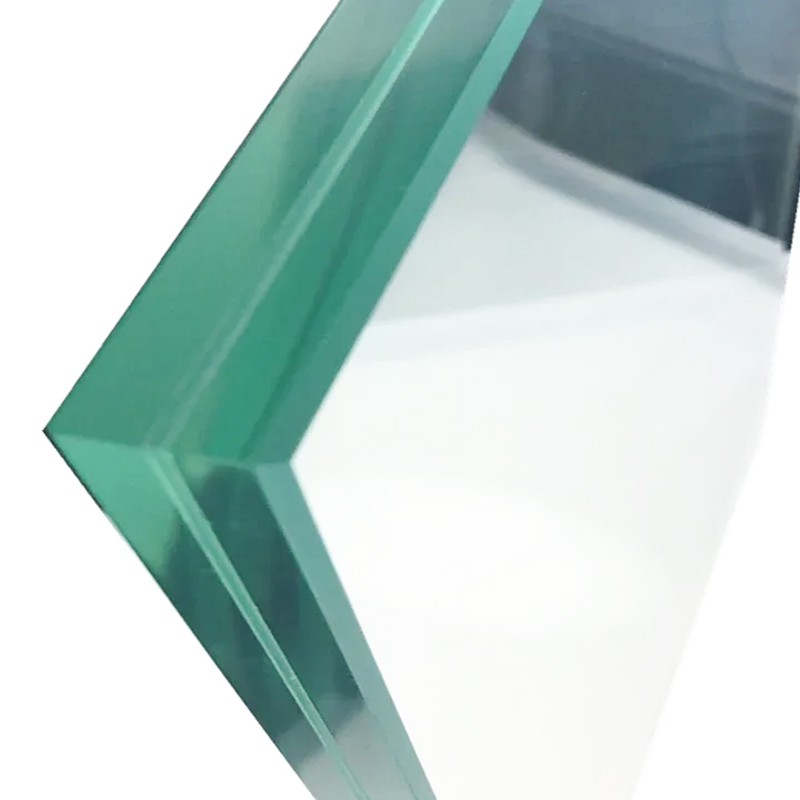
Polyvinyl Butyral (PVB) interlayer film is a high-performance thermoplastic membrane engineered from polyvinyl butyral resin plasticized with specialized agents and extruded into a uniform sheet. In architectural applications, this film is sandwiched between two or more panes of glass, which are then bonded under high temperature and pressure in an autoclave to produce laminated safety glass.
The resulting composite structure is fundamentally different from monolithic or tempered glass. When laminated glass breaks, the PVB interlayer holds all glass fragments firmly in place, preventing dangerous shards from scattering. But beyond this well-known safety function, PVB interlayer film carries two additional properties that have become indispensable in contemporary building design: acoustic damping and UV radiation blocking. These two performance attributes directly address some of the most pressing concerns facing architects, building owners, and occupants in today's urban environments.
Standard PVB interlayer film is typically produced at a thickness of 0.76 mm, though acoustic-grade and multi-functional variants are available in thicker configurations to achieve higher levels of performance. The film's viscoelastic molecular structure is the physical foundation for both its sound-damping and UV-absorbing capabilities.
How PVB Interlayer Film Delivers Superior Acoustic Performance
Noise pollution is one of the defining challenges of urban living. Buildings located near highways, airports, railway lines, and busy commercial districts must contend with continuous broadband noise that standard glass simply cannot attenuate to comfortable levels. This is where the acoustic properties of PVB interlayer film provide a decisive advantage.
The mechanism behind acoustic performance lies in the film's viscoelastic nature. Unlike rigid materials that reflect or transmit sound waves, PVB film absorbs and dissipates acoustic energy through internal molecular friction. When sound waves strike laminated glass, the PVB interlayer converts a significant portion of that vibrational energy into heat — a process known as damping — rather than allowing it to pass through to the interior.
Upgrading from a single monolithic pane of glass to a laminated configuration incorporating a standard PVB interlayer already delivers a meaningful improvement in Sound Transmission Class (STC) ratings. Acoustic-grade PVB interlayer film — such as specially engineered tri-layer constructions — takes this further by targeting the critical frequency range around 2,000–4,000 Hz, where human hearing is most sensitive and where standard glass tends to perform poorly due to the "coincidence dip" effect. By disrupting this resonance, acoustic PVB films can reduce interior noise levels by several additional decibels compared to standard laminated glass.
In practical terms, this translates to measurable improvements in occupant comfort and wellbeing. Key application environments include:
- High-rise residential towers in urban cores, where traffic and construction noise are constant
- Hotels and hospitality venues demanding premium interior quietness
- Airport terminals and transit hubs where façade glass faces extreme noise exposure
- Healthcare facilities and educational buildings where acoustic comfort is tied to functional performance
- Commercial office buildings where glass curtain walls span entire floor plates
For even greater noise control, acoustic laminated glass panels can be incorporated into insulating glass units (IGUs) with a wide air or gas-filled cavity, combining the damping effect of PVB with the additional attenuation provided by the air gap — a combination that also improves thermal insulation and solar heat control.
The UV Protection Mechanism of PVB Interlayer Film
Ultraviolet radiation exists within the solar spectrum in two primary bands relevant to buildings: UV-B (280–315 nm) and UV-A (315–380 nm). While ordinary float glass blocks nearly all UV-B, its UV-A blocking rate is relatively low — typically only 25–40%. This means that even in a fully glazed interior, occupants and furnishings receive substantial UV-A exposure, which causes fading of fabrics, artwork, timber, and flooring, and carries health implications including accelerated skin aging.
PVB interlayer film addresses this gap through two complementary mechanisms. First, certain chemical bonds within the PVB resin's molecular structure — particularly carbonyl groups — naturally absorb specific UV wavelengths, giving standard transparent PVB an inherent ability to block the majority of UV-B radiation and a significant proportion of UV-A. Standard PVB film blocks over 99% of UV radiation across both bands in most architectural laminated glass configurations.
Second, for applications demanding near-complete UV-A elimination — such as museums, art galleries, luxury retail, archives, and high-end residential interiors — manufacturers have developed specialty PVB films incorporating UVA-specific absorber additives. These premium-grade films achieve UV-A blocking rates exceeding 99.9%, providing what amounts to full-spectrum UV protection without compromising visible light transmission or glass clarity.
The practical benefits of high-performance UV blocking in buildings are substantial:
- Interior preservation: Furniture, flooring, artworks, and textiles are protected from fading and degradation, extending their useful life and reducing maintenance costs
- Occupant health: Reduced UV-A exposure indoors lowers the cumulative risk of skin damage and premature aging for building occupants spending long hours near glazed surfaces
- Material longevity: Plastics, adhesives, and other UV-sensitive building materials used in the interior retain their structural and aesthetic properties for longer
- Energy efficiency synergy: When combined with tinted or heat-reflecting coated glass, UV-blocking PVB contributes to overall solar control, reducing cooling loads
It is worth noting that the ISO Damage Weighted Transmittance (Tdw-ISO) is the standard metric used to quantify a glazing system's ability to protect against UV-induced fading. The lower the Tdw-ISO value, the better the protection — and PVB-laminated glass consistently achieves superior ratings compared to monolithic glass alternatives.
Acoustic vs. UV Performance: Choosing the Right PVB Film Specification
Not all PVB interlayer films are equal in their acoustic and UV performance. Selecting the correct specification for a given project requires matching film type to functional priority. The table below summarizes the key differences between the main PVB categories used in architectural glazing:
| Film Type | Typical Thickness | UV-B Blocking | UV-A Blocking | Acoustic Enhancement | Best Applications |
|---|---|---|---|---|---|
| Standard Clear PVB | 0.38 – 0.76 mm | >99% | 60–90% | Moderate (vs. monolithic) | General safety glazing, curtain walls, windows |
| Acoustic PVB (e.g., tri-layer) | 0.76 – 1.52 mm | >99% | 60–90% | High — targets critical Hz range | Urban residential, hotels, airports, offices |
| Premium UV-Blocking PVB (with UVA absorbers) | 0.76 mm | >99.9% | >99.9% | Moderate | Museums, galleries, archives, luxury retail |
| Heat-Insulating PVB | 0.76 mm | >99% | Variable | Moderate | Solar control façades, energy-efficient buildings |
For projects where both acoustic comfort and maximum UV protection are required — a high-end residential tower near a busy urban boulevard, for example — specifiers can combine an acoustic-grade PVB with UV absorber additives, or layer different film types within a multi-glass laminate. Consulting directly with a manufacturer's technical team is recommended for complex specifications.
Real-World Architectural Applications
The combined acoustic and UV protection benefits of PVB interlayer film are exploited across a wide spectrum of building typologies in modern architecture. In commercial high-rises with full-glass facades, acoustic PVB laminated glass in curtain wall systems reduces the penetration of urban noise while the UV-blocking properties protect workspaces from glare and solar degradation. In healthcare buildings and educational campuses — where both quiet environments and protection from UV exposure are operationally important — PVB laminated glass delivers two critical performance requirements within a single glazing unit.
Museums and cultural institutions represent one of the most demanding use cases. The irreplaceable artworks, manuscripts, and artifacts housed in these buildings are acutely sensitive to UV radiation; even low-level cumulative exposure over years can cause permanent damage to pigments and organic materials. High-performance UV-blocking PVB interlayer film in skylights, display case glazing, and exterior windows provides a passive, maintenance-free protection layer that does not require window films or blinds.
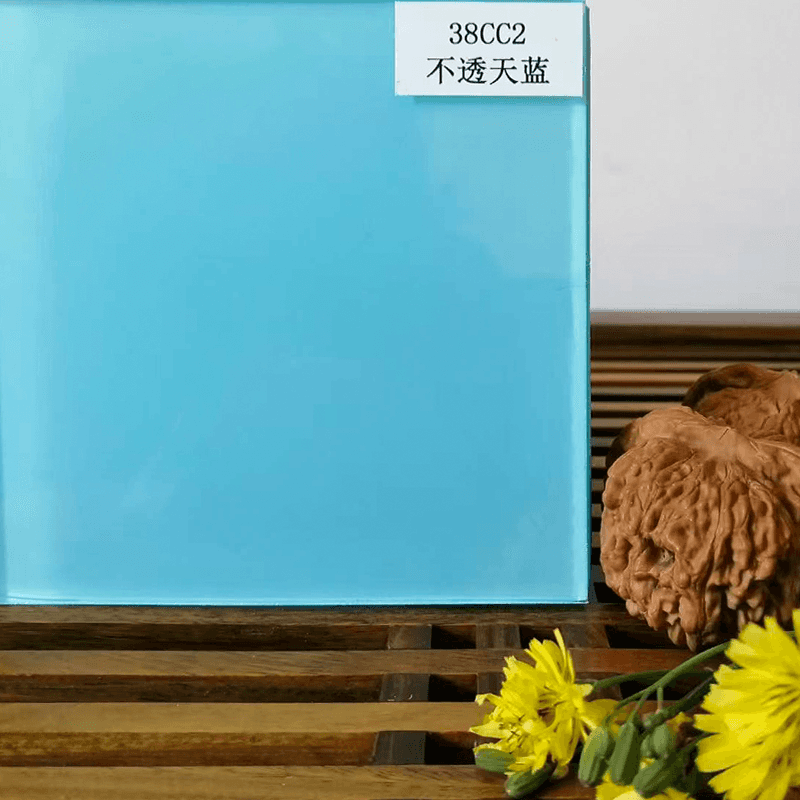
Luxury residential developments and boutique hotels use colored PVB interlayer film to layer acoustic and UV protection with design expression — tinted or custom-colored interlayers that define the building's visual identity while simultaneously reducing noise transmission and protecting interior finishes. Railway stations, concert halls, and performing arts centers similarly demand acoustic performance from their glazed envelopes, and PVB-laminated glass has become a standard specification in these building types worldwide.
Skylights and glass roofs present a particularly challenging environment: they receive direct solar radiation year-round, making UV protection critical, while also being exposed to rain impact noise that acoustic PVB can significantly attenuate. The dual functionality of PVB interlayer film makes it uniquely well-suited to these applications.
Why Architects and Specifiers Trust PVB Interlayer Film
The enduring popularity of PVB interlayer film in architectural glazing is rooted in its ability to address multiple performance demands within a single, proven material. No other interlayer technology offers the same combination of acoustic damping, UV protection, optical clarity, safety, design flexibility, and cost-effectiveness within a product that has been refined and validated over decades of real-world use.
For architects, the practical implication is significant: specifying laminated glass with a well-chosen PVB interlayer can simultaneously satisfy acoustic comfort standards, UV protection requirements, safety codes, and aesthetic briefs — without resorting to additional layers, coatings, or aftermarket window films. A single material decision delivers compound performance returns, simplifying both specification and long-term building maintenance.
As building standards tighten around occupant wellbeing, energy efficiency, and indoor environmental quality, the role of PVB interlayer film in modern architecture will only continue to grow. For projects where quietness and UV protection are non-negotiable — which, in today's urban environment, means most projects — PVB interlayer film remains the architect's most versatile and dependable glazing tool.