language
 English
 русский
 Español
 عربى
عربى
 中文简体
中文简体

Content
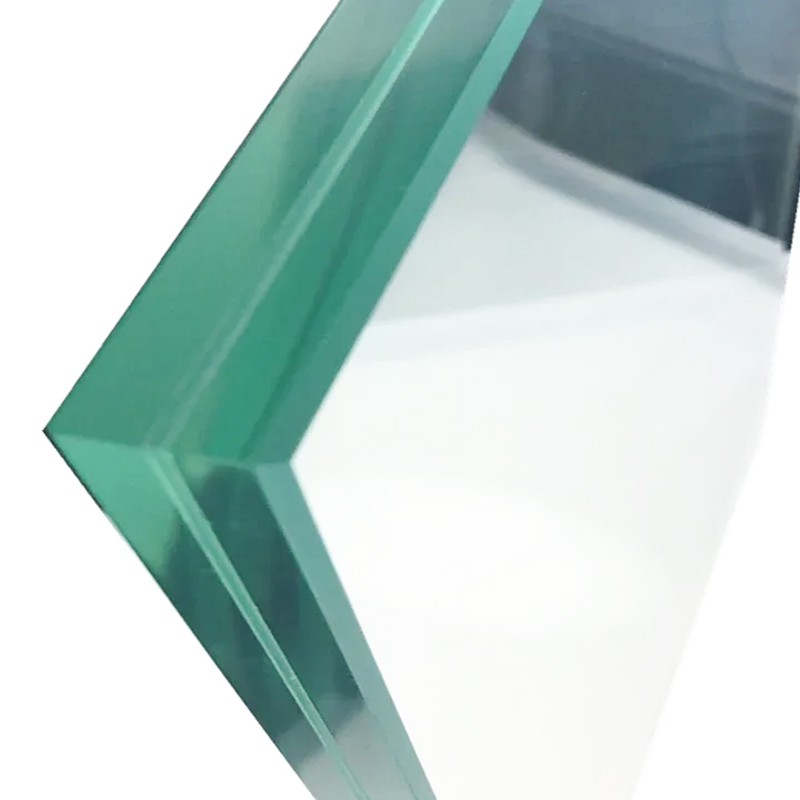
EVA interlayer film transforms standard glass into a high-performance safety barrier that maintains structural integrity for decades. This thermoplastic material creates a permanent bond between glass layers, delivering exceptional impact resistance and weather protection that extends product lifespan by up to 50 years in architectural applications. The unique cross-linking properties of ethylene-vinyl acetate ensure that laminated glass remains intact even under extreme stress, preventing shattering and providing consistent optical clarity throughout its service life.
Impact Resistance and Structural Safety
The fundamental safety enhancement provided by EVA film stems from its superior energy absorption capabilities. When subjected to impact, the interlayer deforms elastically to distribute force across the entire glass surface, preventing penetration and maintaining the barrier integrity. Independent testing demonstrates that laminated glass with EVA interlayers withstands impact energies exceeding 30 joules without penetration, compared to fracture thresholds below 3 joules for standard annealed glass of equivalent thickness.
This performance characteristic proves critical in overhead glazing and high-rise applications where falling glass represents a severe safety hazard. The interlayer maintains adhesion to glass fragments even after multiple impacts, ensuring that broken panels remain suspended within the frame rather than collapsing. Structural calculations indicate that EVA laminated glass retains 50 percent of its original load-bearing capacity after cracking, providing essential redundancy during seismic events or extreme weather conditions.
Weather Resistance and Aging Performance
UV Stability and Thermal Cycling
Prolonged exposure to solar radiation typically degrades polymer materials through photoxidation, yet EVA formulations demonstrate exceptional resistance to ultraviolet aging. Accelerated weathering tests conducted over 2000 hours of continuous UV exposure show yellowing indices below 2.0 units, maintaining optical clarity within acceptable architectural standards. This stability results from advanced stabilizer packages that scavenge free radicals before they attack the polymer backbone.
Moisture and Temperature Resilience
Unlike alternative interlayer materials that degrade in high-humidity environments, EVA maintains adhesive strength exceeding 15 Newtons per millimeter even after 1000 hours in 85 percent relative humidity at 85 degrees Celsius. The material operates effectively across temperature ranges from negative 40 degrees Celsius to positive 80 degrees Celsius without delamination or bubble formation. Field studies tracking installations in coastal and tropical climates confirm minimal degradation after 25 years of continuous exposure.
Optical Clarity and Visual Stability
Long-term aesthetic performance depends on maintaining high light transmission and resistance to optical defects. EVA interlayers deliver initial light transmission values above 90 percent with haze levels below 0.5 percent, comparable to unlaminated glass. Critical for museum displays and high-end architectural projects, this clarity persists throughout the product lifecycle due to the material's resistance to plasticizer migration and outgassing.
The cross-linked molecular structure prevents the formation of microvoids and delamination channels that typically cause fogging in laminated optics. Testing protocols measuring optical distortion indicate that EVA laminated glass maintains deviation angles below 0.5 milliradians under thermal stress, ensuring consistent visual quality for precision applications including observation windows and display cases.
Application Standards and Performance Metrics
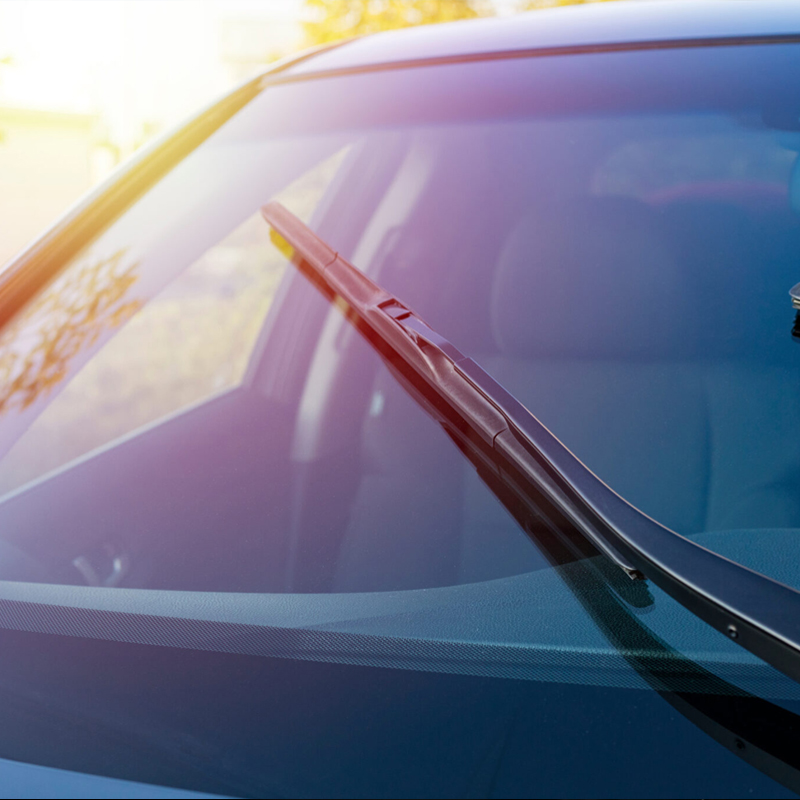
Compliance with international safety standards validates the protective capabilities of EVA laminated glass products. Certifications under EN 14449 and ASTM E1300 require passing rigorous impact tests involving 227-gram steel balls dropped from heights exceeding 2 meters without penetration. Automotive applications meeting ECE R43 standards demonstrate resistance to stone impacts at speeds up to 160 kilometers per hour.
| Application Sector | Primary Safety Benefit | Expected Service Life |
|---|---|---|
| Architectural Glazing | Hurricane and Impact Resistance | 30 to 50 years |
| Automotive Windshields | Occupant Retention and Impact Absorption | 10 to 15 years |
| Solar Panel Encapsulation | Environmental Sealing and Electrical Isolation | 25 plus years |
| Museum Display Cases | UV Filtration and Theft Deterrence | 40 plus years |