language
 English
 русский
 Español
 عربى
عربى
 中文简体
中文简体
Content
What Is Automotive PVB Film and Why Does It Matter?
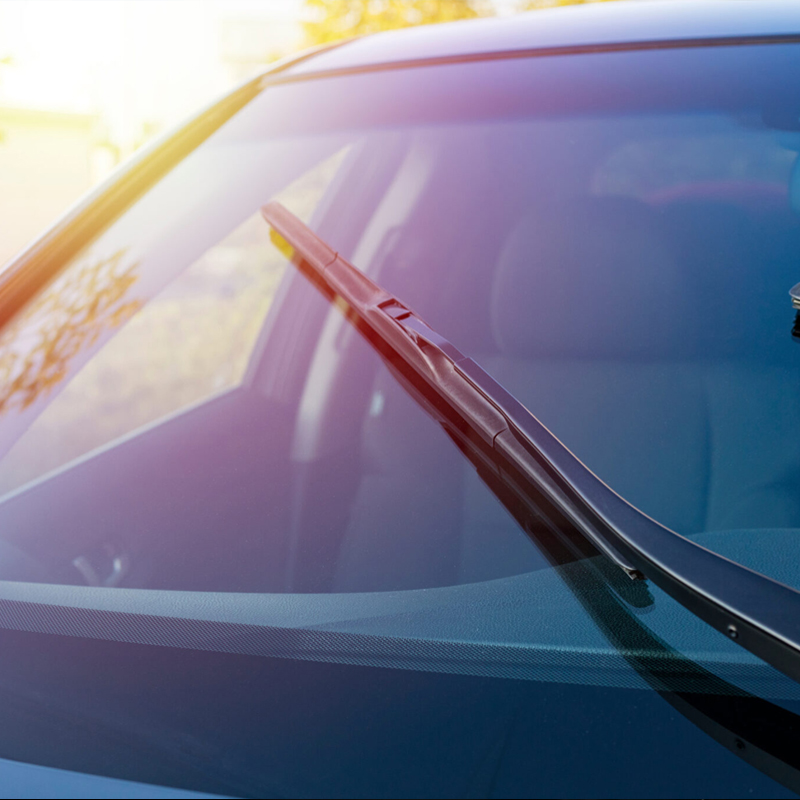
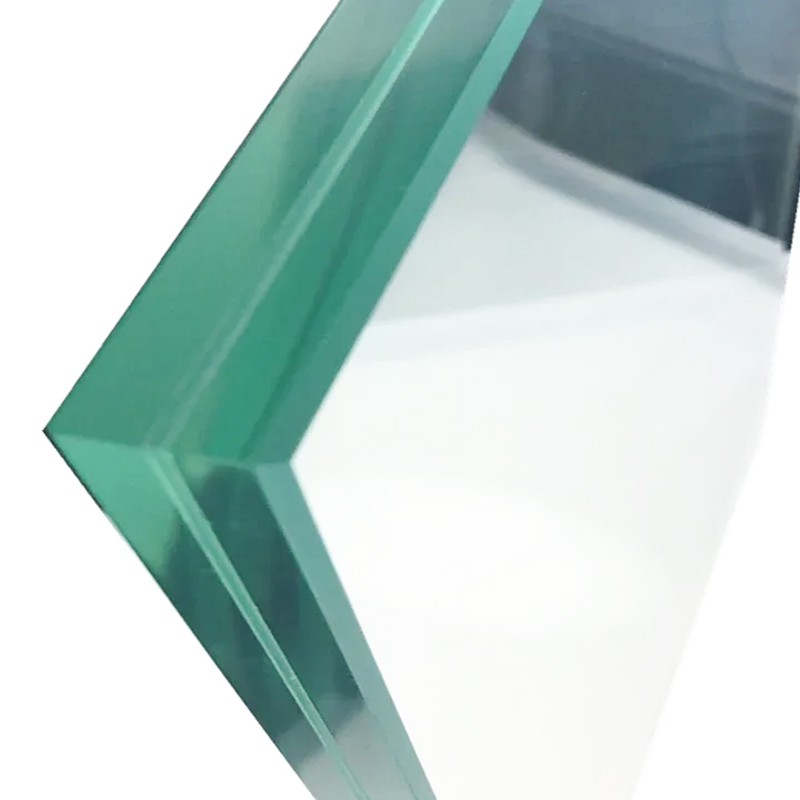
Polyvinyl butyral (PVB) film is the critical interlayer material bonded between two sheets of glass in laminated automotive glazing. Without PVB film, modern windshields would shatter into dangerous shards upon impact—instead, the film holds glass fragments in place, dramatically reducing the risk of occupant injury. This safety function alone has made PVB film a mandatory component in virtually every passenger vehicle manufactured today.
Beyond safety, automotive PVB film has evolved into a multi-functional material. Contemporary formulations contribute to UV filtration, acoustic dampening, and even infrared heat rejection, making it a key enabler of passenger comfort alongside structural protection.
How Automotive PVB Film Is Manufactured and Applied
PVB film is produced by reacting polyvinyl alcohol with butyraldehyde in the presence of catalysts, then extruding the resulting resin into thin, flexible sheets. Typical automotive-grade PVB film ranges from 0.38 mm to 0.76 mm in thickness, with the specific gauge selected based on performance requirements such as noise reduction or ballistic resistance.
In windshield production, the PVB interlayer is placed between two pre-cut glass panes under tightly controlled temperature and humidity. The assembly is then passed through an autoclave process at approximately 135–145°C and 10–14 bar of pressure, fusing the layers into a single, optically clear unit. Precise control of these parameters is essential: excess moisture causes delamination, while insufficient heat leaves voids that compromise optical clarity and adhesion strength.
Most automotive PVB film is supplied in rolls and must be stored under refrigerated conditions (typically 10–18°C at 20–25% relative humidity) to preserve its adhesive properties prior to lamination.
Performance Grades and Functional Variants
The automotive industry demands more than standard safety PVB. Manufacturers now specify film variants engineered for distinct performance profiles:
- Acoustic PVB — Features a softer viscoelastic core layer that attenuates sound transmission. Vehicles using acoustic PVB windshields can achieve cabin noise reductions of 2–4 dB(A) compared to standard laminated glass, particularly in the 1,000–5,000 Hz frequency range.
- Solar-control PVB — Incorporates infrared-absorbing additives or nano-particle coatings to reject solar heat. High-performance solar PVB can block over 99% of UV radiation and reduce total solar energy transmittance (TSET) to below 50%, helping maintain cabin temperatures and reducing air-conditioning load.
- HUD-compatible PVB — Specifically engineered with a wedge profile (varying thickness across the film) to eliminate the double-image "ghost" effect that occurs in standard windshields when used with heads-up display systems. As HUD adoption grows—projected to reach over 50 million vehicles annually by 2030—this variant is seeing accelerated demand.
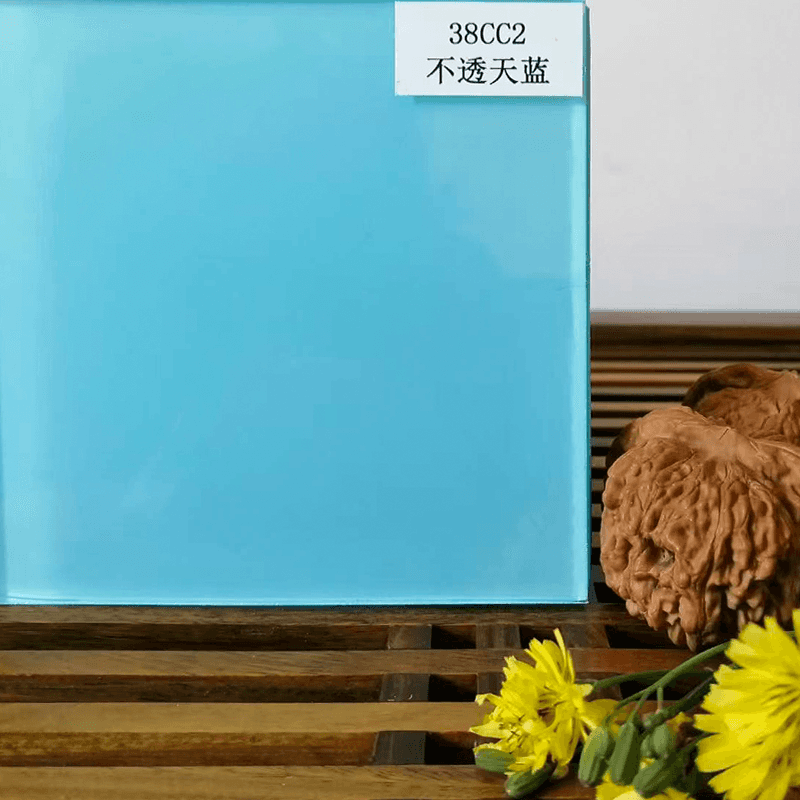
- Colored and gradient PVB — Used for sunshade bands at the top of windshields, providing glare reduction without requiring separate applied films.
| PVB Film Type | Primary Function | Typical Application |
|---|---|---|
| Standard Safety PVB | Fragment retention, UV block | Windshields, side laminated glass |
| Acoustic PVB | Noise reduction | Premium / EV windshields |
| Solar-Control PVB | IR / heat rejection | Panoramic roofs, windshields |
| HUD-Compatible PVB | Dual-image elimination | HUD-equipped windshields |
Market Drivers: Electric Vehicles and ADAS Are Reshaping Demand
The global automotive PVB film market is growing steadily, driven by tightening vehicle safety regulations, rising electric vehicle (EV) production, and the rapid integration of advanced driver-assistance systems (ADAS). The global automotive laminated glass market—in which PVB film is the dominant interlayer—was valued at over USD 15 billion in 2023 and is expected to expand at a compound annual growth rate above 5% through 2030.
Electric vehicles place particular emphasis on high-performance PVB variants. Because EVs lack engine noise to mask road and wind sounds, acoustic PVB windshields have become nearly standard in EV platforms. Simultaneously, the larger glass surfaces increasingly specified for EVs—panoramic roofs, full-width windshields—drive demand for solar-control films to manage thermal loads without compromising battery range.
ADAS systems including cameras, LiDAR, and radar sensors mounted at or near windshields demand extremely high optical clarity and dimensional stability from the PVB interlayer. Any haze, distortion, or delamination over time can degrade sensor performance, pushing OEMs to qualify more exacting PVB specifications during vehicle development.
Key Quality Standards and Supplier Qualification
Automotive PVB film must comply with internationally recognized safety and performance standards before it can be used in OEM glazing. Relevant benchmarks include:
- ECE R43 — The United Nations Economic Commission for Europe regulation governing safety glazing materials, mandatory for vehicles sold in European and many Asian markets.
- ANSI Z26.1 — The American National Standard for safety glazing in motor vehicles.
- GB 9656 — China's national standard for automotive safety glass, increasingly relevant given the scale of Chinese vehicle production.
Tier-1 glass manufacturers and OEMs also conduct their own internal qualification protocols, evaluating PVB film for adhesion strength, pump-out resistance (tendency of interlayer to migrate under heat), optical distortion, and long-term durability under UV and humidity aging tests. Suppliers with IATF 16949-certified quality management systems are strongly preferred, as automotive supply chains require documented process control and traceability at every stage of film production.
For buyers sourcing automotive PVB film, requesting material data sheets, aging test results, and production batch certificates is standard practice before committing to volume supply agreements.