language
 English
 русский
 Español
 عربى
عربى
 中文简体
中文简体
Content
- 1 Why the Interlayer, Not the Glass, Decides Acoustic Performance
- 2 The Numbers Behind Acoustic Auto Glass
- 3 Reading a Noise Reduction Chart Before You Choose a Build
- 4 From Film Roll to Windshield: Controls That Protect Acoustic Performance
- 5 Sourcing Acoustic Interlayer Film: What to Ask Before You Commit
- 6 Frequently Asked Questions About Acoustic Auto Glass
Two windshields can leave the same autoclave with the same 2.1 mm outer pane, the same ECE R43 approval and the same price, and still differ by three to six decibels inside the cabin at highway speed. The only difference is a 0.76 mm acoustic interlayer instead of a standard one.
That gap matters more than it used to. Electric drivetrains removed the engine noise that once masked tyre roar, so wind and road noise dominate from roughly 80 km/h upward, and drivers notice it in the first test drive rather than in the third year of ownership.
Acoustic auto glass is laminated automotive glazing that contains at least one acoustic-grade PVB (polyvinyl butyral) interlayer. The soft viscoelastic core of that sheet damps the vibration of the glass panes, turning sound energy into a small amount of heat instead of letting the glass radiate it into the cabin.
Acoustic performance is therefore a specification you can write, measure and verify, not a marketing word. What follows covers what the interlayer actually does, which numbers are worth asking for, and where the risk sits between the film roll and the finished windshield.
Why the Interlayer, Not the Glass, Decides Acoustic Performance
Laminated glass becomes acoustic when the interlayer damps the resonance of the glass-interlayer-glass sandwich, which reduces sound transmission most strongly between 1,000 Hz and 5,000 Hz.
A 2.1 mm soda-lime pane has a coincidence dip in that range: at a certain frequency the pane bends easily and radiates nearly as much sound as it receives. Standard PVB, whether 0.38 mm or 0.76 mm, is a relatively stiff sheet and adds little damping there. Acoustic PVB keeps the same overall construction but replaces the core with a softer formulation, and the damping loss factor at room temperature typically rises by a factor of two to four.
Standard PVB 0.76 mm
- Low damping at the coincidence dip
- Strong mechanical bonding and edge stability
- Lowest film cost per square meter
- Correct choice for base safety glazing
Acoustic PVB 0.76 mm
- Higher damping loss factor from 1 to 5 kHz
- Usually 3 to 5 dB better than standard film
- Roughly 1.5 to 2.5 times the film cost
- Preferred for electric and premium vehicles
Thicker glass adds mass and pushes the coincidence dip to a higher frequency. An acoustic interlayer removes the dip, which is why a 4.2 mm acoustic windshield often outperforms a 5.5 mm standard one and still weighs less.
Side glazing follows the same logic on a smaller scale. A 3.8 mm acoustic side window can replace a 4.8 mm standard one, cutting close to a fifth of the glass weight per door, which is why acoustic laminates have moved from windshields to front doors and rear quarter lights on electric platforms.
 HT-S Series PVB Sound Insulation Interlayer FilmCo-extruded PVB film for acoustic laminated glazing, adding a sound-insulating core to reduce noise in automotive side windows and interiors.View Product →
The Numbers Behind Acoustic Auto Glass
Acoustic performance is verified by measurement on the finished laminate, not by a film datasheet, and the two figures that carry real weight are the sound transmission loss of the built-up glazing and the damping loss factor of the interlayer itself.
Three reference points are worth knowing. SAE J1400 describes laboratory measurement of airborne sound barrier performance for flat materials and assemblies. ISO 16940 covers determination of the damping loss factor of laminated glass. ECE R43 regulates the safety of automotive glazing, not its acoustics, so a windshield can be perfectly legal and still be loud.
| Glass build-up | Interlayer | Gain between 1 and 5 kHz | Typical use |
| 2.1 / 2.1 mm | Standard PVB 0.76 mm | Reference | Fleet and base windshields |
| 2.1 / 2.1 mm | Acoustic PVB 0.76 mm | 3 to 5 dB | Mainstream acoustic windshields |
| 2.1 / 1.6 mm | Acoustic PVB 0.76 mm | 2 to 4 dB | Weight-reduced side glazing |
| 2.1 / 2.1 mm | Acoustic 0.76 mm plus standard 0.38 mm | 4 to 6 dB | Head-up display and premium cabins |
Three to five decibels. That is the typical mid and high frequency advantage of one 0.76 mm acoustic PVB layer over a standard layer of the same thickness.
If you are comparing film suppliers, our acoustic PVB glass buying guide sets out the questions that separate a genuinely damped laminate from a marketing claim, including how to read a third-octave curve.
Reading a Noise Reduction Chart Before You Choose a Build
A single dB(A) figure for a windshield is close to meaningless. The number that matters is the third-octave sound transmission loss curve from 800 Hz to 5,000 Hz, measured on the build-up you intend to buy and compared against a standard laminate of identical geometry.
Indicative advantage over a standard laminate
Standard PVB 0.76
0 dB
Acoustic PVB 0.76
+3.5 dB
Acoustic plus standard 0.38
+4.5 dB
Acoustic, 1.6 mm inner pane
+2.5 dB
Ask for the test build, not the film grade. A transmission loss curve measured on 2.1 / 2.1 mm float glass does not transfer to a 1.6 / 1.6 mm chemically strengthened side window, and that mismatch is usually larger than the difference between two respectable film suppliers.
Expect the curves to converge above 5 kHz and below 500 Hz. The interlayer earns its money in the middle of the range, where tyre and wind noise live.
From Film Roll to Windshield: Controls That Protect Acoustic Performance
An acoustic interlayer only performs if the laminate stays dry, clean and free of bubbles, so the processes that decide the result are film storage, lay-up, de-airing and the autoclave cycle.
Storage and handling
PVB is hygroscopic. Keep rolls at 18 to 23 degrees Celsius and below 30 percent relative humidity, use them inside the supplier shelf life, and open the moisture barrier only when the roll goes into production. Acoustic grades have a softer core than standard film and mark more easily.
Cutting and lay-up
Cut in a controlled environment, keep the film flat and avoid stretching it around deep curvature. A wrinkle that disappears after trimming can still trap a ribbon of air that appears as haze after autoclaving.
De-airing
First nip temperature and pressure decide how much air and moisture leave the sandwich. Under-de-aired laminates look acceptable in daylight and fail an acoustic check after one summer in a vehicle.
Autoclave cycle
Typical cycles run at 12 to 14 bar and 130 to 140 degrees Celsius. Acoustic PVB uses the same equipment as standard PVB, but the core is more sensitive to a prolonged peak temperature, so ramp and hold times deserve verification.
Verification
Check haze and optical distortion on every part, and confirm damping on the first-off part. ISO 16940 gives a repeatable loss factor measurement that costs far less than finding a silent fault on a finished vehicle.
A fraction of a percent of moisture pick-up is enough to produce haze and bubbles after autoclaving, and the acoustic loss only becomes visible later, once the windshield is already on a vehicle.
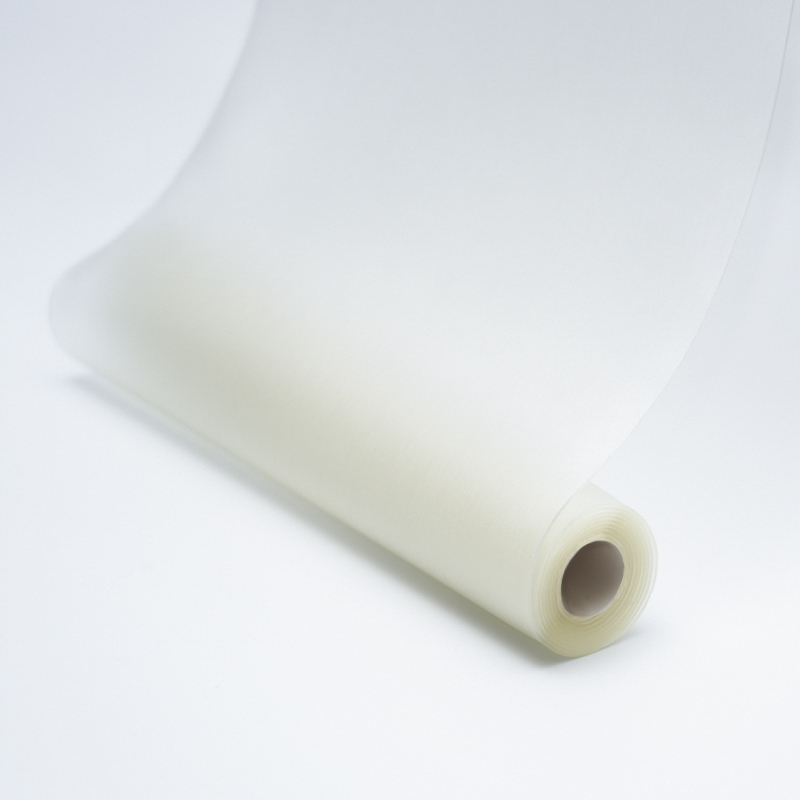 Automotive-Grade PVB Interlayer Film for Laminated Safety GlassDARUI automotive PVB for windshields and laminated safety glass, with clear, green, blue or gray shades and low haze for optical control.View Product →
Sourcing Acoustic Interlayer Film: What to Ask Before You Commit
Most acoustic glazing problems in production trace back to film supply and film handling rather than to the glass itself, so the sourcing conversation should cover damping data, width, packaging and delivery.
- Damping data at the right frequency. A loss factor quoted at 100 Hz says nothing about the 1 to 5 kHz band that matters in a car.
- Film width against your largest blank. Trim losses on a wide windshield shape are a hidden cost per part.
- Packaging. Aluminium foil, desiccant and sealed pallets are not optional for a hygroscopic film shipped across a humid season.
- Thickness range and roll length consistency, both of which affect automated lay-up.
- Quality system evidence such as ISO 9001:2015 and ISO 14000 certification, and the traceability that comes with it.
- Trim and end-of-roll handling, including whether the supplier takes PVB scrap back into recycling.
3.6 m
Automatic die width on the PVB line
3 families
PVB, EVA and SGP interlayers
ISO 9001 / 14000
Quality and environmental management
OEM / ODM
Private label and custom development
Width matters more than most buyers expect. A 3.6 meter casting width covers the largest windshield blanks in a single piece, which removes a splice from the optical area and cuts trim waste per part.
Jiangsu Daruihengte produces PVB interlayer film under the HENGTE brand, including automotive and sound insulation grades, on lines fitted with a 3.6 meter automatic die, and supports export delivery through its Malaysian plant and Hong Kong trading company. Where acoustic comfort comes second to impact resistance, an SGP ionic interlayer is the usual companion. You can see how the three families map onto real vehicle and building programs in our overview of automotive glazing applications.
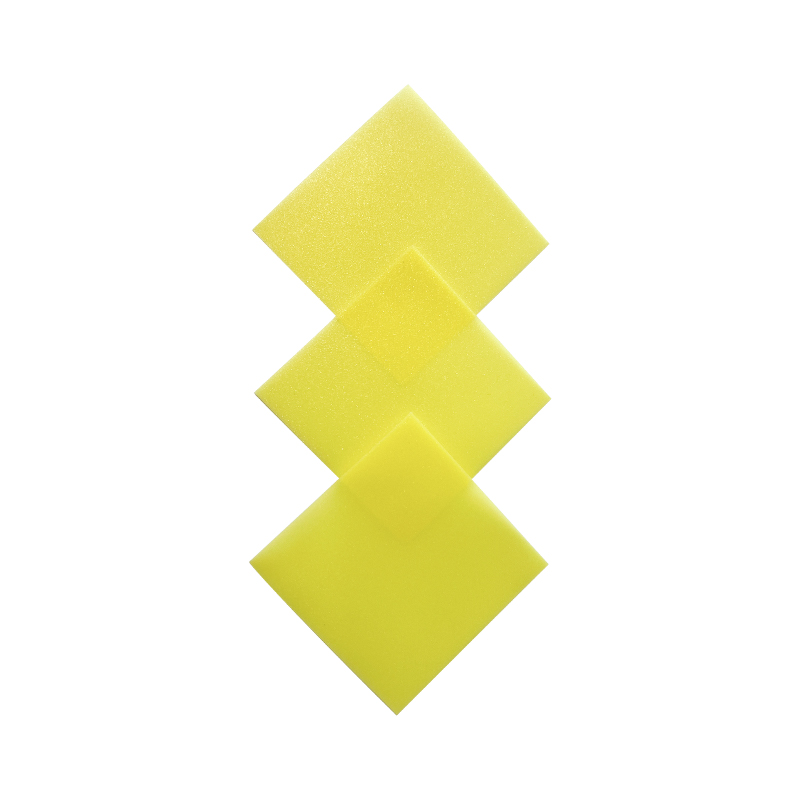 SGP Ionic Interlayer Film for High-Impact Laminated GlassIonic copolymer interlayer for safety, explosion-proof, bullet-resistant and hurricane-resistant glazing, with high shear modulus and bonding for harsh transparent structures.View Product →
Frequently Asked Questions About Acoustic Auto Glass
Does acoustic auto glass need an acoustic interlayer on both panes?
No. One damped layer is enough to remove the coincidence dip. Most automotive builds place the acoustic film against the outer pane and use standard PVB inboard, which keeps cost and processing predictable. A second acoustic layer gains only a fraction of a decibel for a noticeable increase in film cost.
How much quieter is acoustic auto glass in real driving?
Expect two to four dB(A) in the overall cabin level at highway speed, and three to six dB in the 1 to 5 kHz band where tyre and wind noise dominate. Since a ten dB change is roughly what the ear reads as twice or half as loud, acoustic glass is a meaningful improvement rather than a transformation. Tyre choice and door seals still matter.
Can acoustic glass be fitted to a car that came with standard laminated glass?
Usually, when thickness, curvature and mounting match. Check the ECE R43 approval on the replacement part, the head-up display wedge if the vehicle has one, and the camera bracket geometry for driver assistance systems. A slightly thinner acoustic laminate can match the original mass while reducing noise, but it must be approved as a replacement part.
Is acoustic PVB harder to process than standard PVB?
It runs on the same cutting, de-airing and autoclave equipment, but the softer core tolerates less sloppiness: tighter humidity control, cleaner handling and a verified autoclave window. The first-off part should be checked for damping, not only for haze.
Rule of thumb: if a specification quotes a single dB(A) improvement without naming the build-up and the test standard, treat it as a target rather than a measurement.