language
 English
 русский
 Español
 عربى
عربى
 中文简体
中文简体

Content
- 1 Where Cabin Noise Actually Comes From
- 2 The Material Families Used for Automotive Acoustic Insulation
- 3 How an Acoustic PVB Interlayer Damps Noise
- 4 What to Check Before Specifying Acoustic Glazing
- 5 Where Glass Fits in the Whole Acoustic Package
- 6 Sourcing Acoustic Interlayer From a Specialized Manufacturer
If you have ever test-driven two cars back to back on the same coarse asphalt and wondered why one cabin drones while the other stays calm, you have already heard the work of automotive acoustic insulation. The quiet car is not luck. It is the result of matching specific materials to specific noise sources, and one of the highest-impact matches is often underweighted in buyer conversations: laminated glass built with an acoustic PVB interlayer.
The short version: for airborne noise, acoustic laminated glazing usually delivers more measured reduction per square meter than any mat or foam added elsewhere in the body, because glass covers a large share of the cabin envelope and a well-formulated interlayer damps exactly the 1000–2000 Hz band where wind rush and speech interference concentrate. This article explains the noise sources you are actually fighting, how each insulation material family behaves, what to verify before specifying acoustic glazing, and how to vet an interlayer supplier before committing to volume orders.
Where Cabin Noise Actually Comes From
Cabin noise reaches your ears through two physical paths. Airborne noise travels through the air and passes through barriers such as glass, seals and trim. Structure-borne noise travels as vibration through the chassis, making large panels radiate sound into the cabin. Each insulation material is tuned to a different source and frequency band:
- Powertrain noise: engine firing orders, intake and exhaust pulses, dominant at idle and low speed, and increasingly absent as a complaint in electric vehicles.
- Tire and road noise: broadband energy from the contact patch, concentrated roughly between 100 and 500 Hz, becoming the primary source above around 50 km/h.
- Wind noise: aerodynamic noise around mirrors, A-pillars and door seals, rising steeply with speed and sitting mostly above 500 Hz, overlapping with speech frequencies.
- Structure-borne vibration: suspension and driveline inputs that turn floor pans and doors into unwanted loudspeakers, strongest at low frequencies.
One trend has reshaped priorities. As electrification removes engine masking noise, tire, road and wind noise become the dominant complaints, which is why acoustic laminated glazing has moved from a luxury-segment option toward standard equipment on mainstream and electric vehicles.
The Material Families Used for Automotive Acoustic Insulation
Conclusion first: no single material solves cabin noise. Damping mats, absorbers, seals and acoustic glass each address a different source, and mature vehicle programs layer them deliberately.
Damping mats and mass-loaded barriers
Butyl-based damping sheets bonded to the floor pan, firewall, doors and wheel arches add mass and damp panel vibration. They are the workhorse against structure-borne and low-frequency noise, but they only work where they are bonded directly to body panels, and their weight adds up quickly across a full vehicle.
Absorbers and cavity fills
Open-cell foams and porous fibers placed in pillars, under carpets and in the headliner absorb sound rather than block it. They are light and inexpensive, and they help mainly with mid and high frequencies. They do little against low-frequency road boom, because absorbing bass requires thickness a car cannot spare.
Acoustic PVB laminated glass
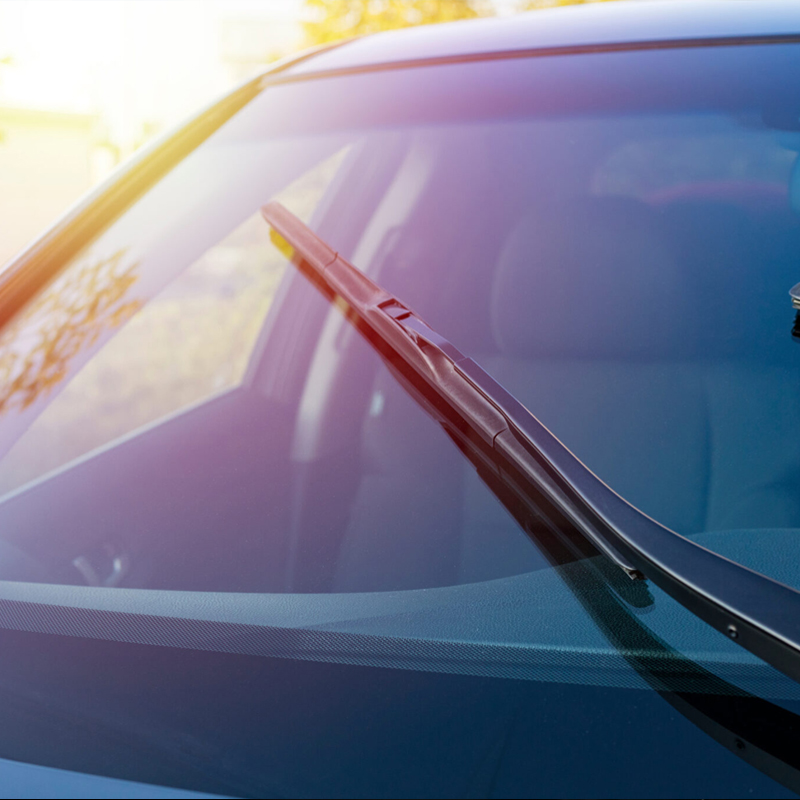
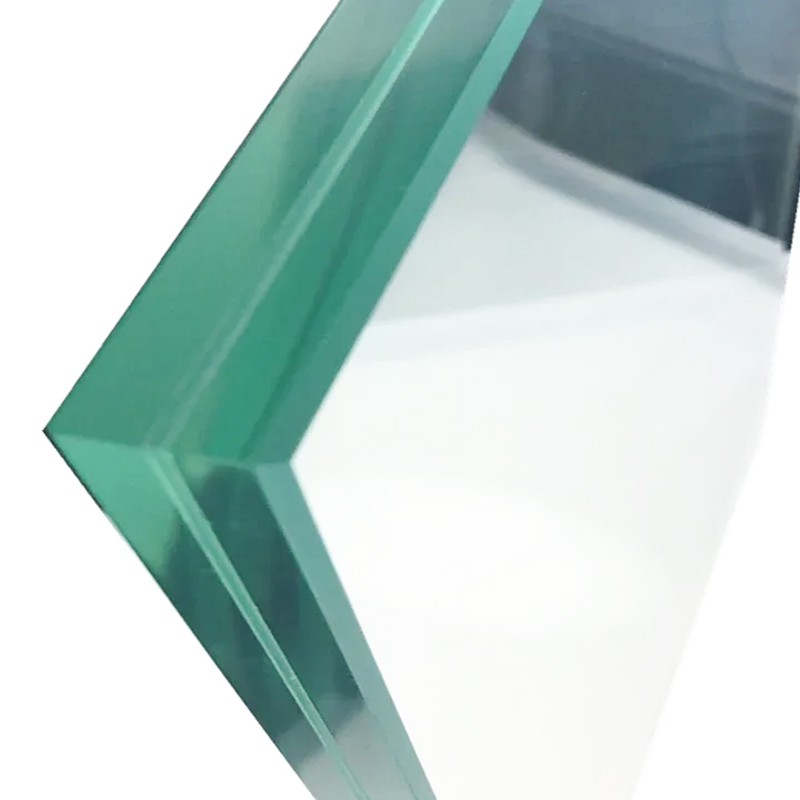
Laminated glazing bonds two glass plies with a soft polymer core, and in acoustic versions that core is a dedicated sound-damping PVB interlayer. Since windshield and side glazing can account for close to a third of the cabin envelope in many vehicle architectures, improving its transmission loss has an outsized effect. Unlike added mats, upgraded glass arrives as a finished component and requires no extra assembly steps.
| Material | Typical location | Strongest against | Practical notes |
|---|---|---|---|
| Butyl damping mats | Floor pan, firewall, doors, wheel arches | Structure-borne vibration, low frequencies | Effective only when bonded directly to steel; adds notable vehicle mass |
| Foam and fiber absorbers | Pillars, under carpet, headliner | Mid-to-high frequency airborne sound | Lightweight; absorbs rather than blocks; little effect on low-frequency road noise |
| Acoustic PVB laminated glass | Windshield and side glazing | Wind rush and speech-range noise, roughly 1000–2000 Hz | Similar weight to tempered glass; also improves security and UV blocking |
| Seals and gaskets | Door and window perimeters | Wind rush and leak paths | Inexpensive first measure; aged seals are a frequent cause of retrofit complaints |
How an Acoustic PVB Interlayer Damps Noise
The mechanism is mechanical, not mysterious. When a sound wave strikes glass, the pane flexes. In a laminated construction, that flexing forces the soft polymer core into shear, and a well-damped core converts most of that vibrational energy into a negligible amount of heat instead of letting the wave pass through to the inner ply. Standard structural PVB is formulated for impact strength and adhesion, so it is comparatively stiff; acoustic grades use softer resin systems with a higher damping loss factor, tuned to the band where road and wind noise interfere with conversation.
In published industry testing, switching side glazing from tempered to acoustic laminated glass typically yields an overall cabin noise reduction of roughly 2 to 4 dB, with the largest improvements concentrated between 1000 and 2000 Hz. Because human hearing is most sensitive in that band, the perceived improvement exceeds the raw figure, and conversations at highway speed become noticeably easier. People outside the car notice too: speech through closed laminated windows is significantly harder to follow.
The same construction carries side benefits. The interlayer holds broken glass in place after an impact, which improves security, and it filters the great majority of incoming UV radiation, protecting trim and occupants. Compared with adding mats across the floor, the weight penalty of laminated versus tempered glazing is modest and localized to the openings themselves.
Acoustics aside, the full value of this material is broader than noise control, and our guide to the role of PVB interlayer film in automotive glass covers the safety, UV and structural functions in detail.
If cabin noise is the primary target in your glazing project, start from a grade engineered specifically for this damping behavior:
PVB sound insulation interlayer film HT-S Series PVB Sound Insulation Interlayer FilmThis acoustic-grade PVB film uses a co-extruded sound insulation core to damp noise, reducing sound transmission by about 5 dB in the 1,000–4,000 Hz range most sensitive to the human ear, making it a fitting starting point for cabin-noise-focused glazing projects.View Product →
What to Check Before Specifying Acoustic Glazing
Procurement risk in this category rarely comes from film price. It comes from performance that looks right on a datasheet and drifts in production. This checklist reflects what separates a reliable acoustic interlayer supply from a problematic one:
- Ask for transmission loss or damping data across frequencies, not a single Rw or STC number. Two films with identical single-number ratings can behave very differently between 1000 and 2000 Hz.
- Confirm the grade is a genuine acoustic formulation rather than standard structural PVB sold at a thicker build. The difference lies in resin chemistry and shear behavior, not just millimeters.
- Verify the processing window against your laminating line: autoclave temperature and pressure, de-airing method and cycle time. Softer acoustic resins tolerate less process drift than structural grades.
- Require durability evidence for humid climates, including humidity resistance and boil-test results, because acoustic constructions demand tighter edge stability control.
- Check the quality system directly: ISO 9001:2015 certification, in-house inspection equipment and batch traceability say more than brochures.
- For windshields and large side units, confirm production width. A 3.6-meter die produces wide cuts without splicing, which matters for both appearance and consistency.
One risk deserves its own paragraph: batch-to-batch consistency. Acoustic performance depends on resin formulation, and a supplier who cannot demonstrate controlled production, incoming material checks and retained samples exposes your program to glazing that passes the autoclave yet underperforms in the vehicle. Treat sample approval and production audits as part of the specification, not an afterthought.
If you are comparing grades across a mixed program, reviewing the full PVB interlayer film range side by side is the fastest way to see how acoustic, heat-insulation and structural variants differ.
 Full Range of PVB Interlayer FilmsThis product overview covers acoustic, heat-insulating, structural, and colored PVB interlayer variants side by side, letting procurement teams compare grades directly when balancing noise reduction, thermal performance, and safety across a mixed glazing program.View Product →
Where Glass Fits in the Whole Acoustic Package
Treat the glazing as the walls of the cabin and everything else as the furniture. A practical engineering sequence is to rank noise sources with road testing, close the cheap leak paths first through seals and gaskets, then treat the dominant source. On most modern vehicles that dominant source is tire and road noise at low frequency, which favors damping mats in the floor, while wind and speech-range noise point directly at the glass.
This division of labor is why acoustic glazing complements rather than replaces the rest of the package. Mats handle low-frequency floor energy, absorbers clean up residual mid and high frequencies, and the acoustic interlayer attacks the band occupying the largest transparent surfaces. Vehicles that get all three right feel quiet without an obvious weight penalty.
Sourcing Acoustic Interlayer From a Specialized Manufacturer
Interlayer chemistry determines acoustic performance, so supplier selection deserves the same rigor as glass design. Jiangsu Daruihengte Science & Technology Co., Ltd. has manufactured PVB functional films since 2010, operating multiple PVB, EVA and M-SGP interlayer lines on a 25-acre site. PVB production runs on a 3.6-meter automatic die for wide-format output, backed by a complete set of product inspection equipment, ISO 9001:2015 and ISO 14000 certifications, and OEM/ODM support under the HENGTE brand. International customers are served through a Malaysia film plant and a Hong Kong office, with exports across Europe, Asia, the Americas and the Middle East, and an in-house PVB recycling operation adds material recovery alongside virgin film production.
For automotive glazing programs specifically, the natural starting point is the dedicated automotive grade:
automotive PVB interlayer film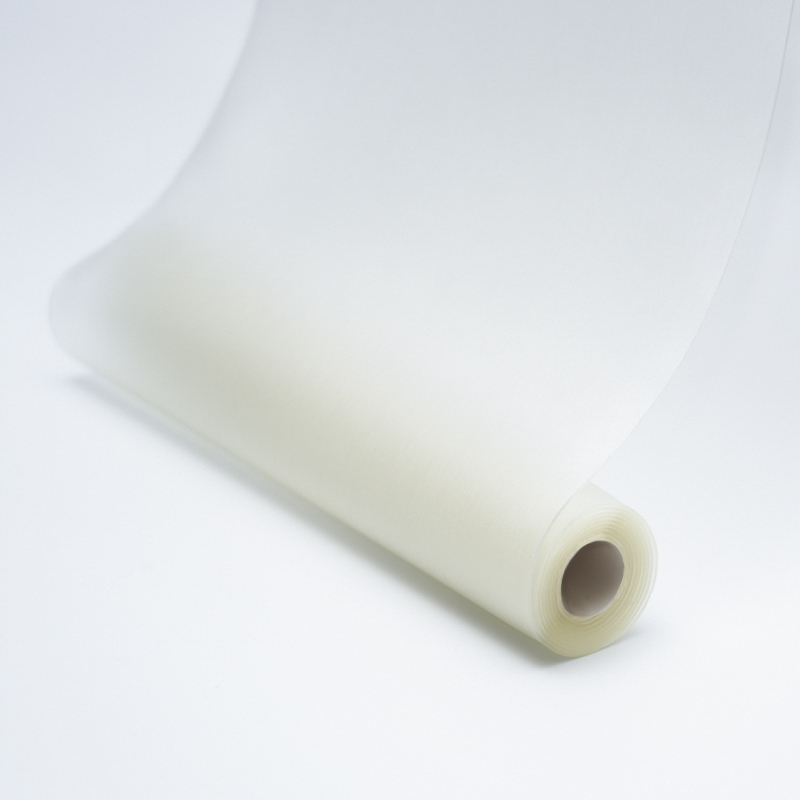 Automotive-Grade PVB Interlayer FilmMeeting automotive-grade requirements with tensile strength of about ≥20.0, this film is available in clear, green, blue, gray, and other colors, plus intermediate, frozen, and sound insulation types, making it the natural entry point for automotive glazing programs.View Product →
Automotive acoustic insulation is a systems problem, but it rewards clear priorities. Rank your noise sources, spend on the materials that match them, and treat acoustic laminated glazing as core acoustic hardware rather than a comfort option. If you are mapping interlayer performance across vehicle, architectural and photovoltaic glass, our interlayer film applications overview is a practical next step.