language
 English
 русский
 Español
 عربى
عربى
 中文简体
中文简体

Content
- 1 What Panoramic Glass Actually Is
- 2 Laminated or Tempered: The Choice That Defines a Roof
- 3 Where the Performance Actually Lives: The Interlayer
- 4 Quiet, Cool and UV-Safe: The Numbers That Matter
- 5 Panoramic Glass Beyond Cars: Skylights, Atriums and Canopies
- 6 Specifying Panoramic Glass: Six Steps Before the First Sample
- 7 Panoramic Glass: Frequently Asked Questions
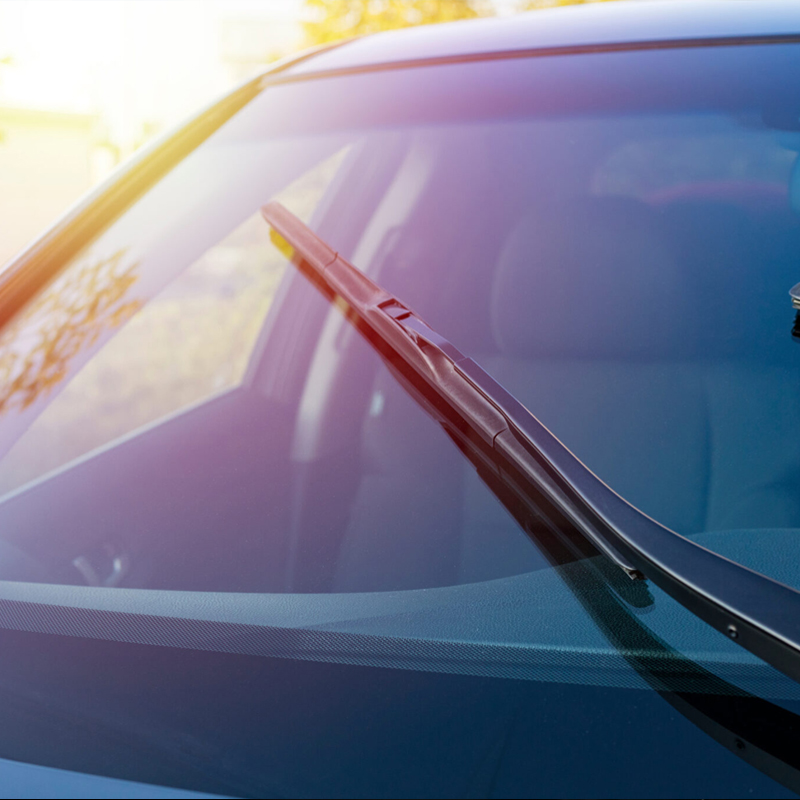
A panoramic roof looks like one continuous sheet of glass. On the line it is almost never a single pane. A typical automotive panoramic roof is a laminated sandwich: a 2.1 mm heat-strengthened or chemically strengthened outer ply, a 0.76 mm thermoplastic interlayer, and a 1.6 to 2.1 mm inner ply, bonded under heat and pressure in an autoclave. The interlayer is roughly one seventh of the total thickness, and it decides most of what the driver actually notices: whether the roof holds together after an impact, how much traffic noise reaches the cabin, and how much solar heat the glass lets through.
Panoramic glazing also appears on skylights, atriums and canopies, where the same laminated logic applies at larger spans. What changes between a car roof and a building canopy is the build-up, the loads and the tolerances, not the idea.
What Panoramic Glass Actually Is
Panoramic glass is a large-format glazed panel, roughly 1.0 to 1.6 square metres in a vehicle roof and often 2 to 4 square metres in an atrium, built from two or more glass plies bonded with a thermoplastic interlayer. Panoramic describes the size and shape of the opening, not a glass type. Two roofs sold under the same name can differ completely in interlayer, coating and ply thickness.
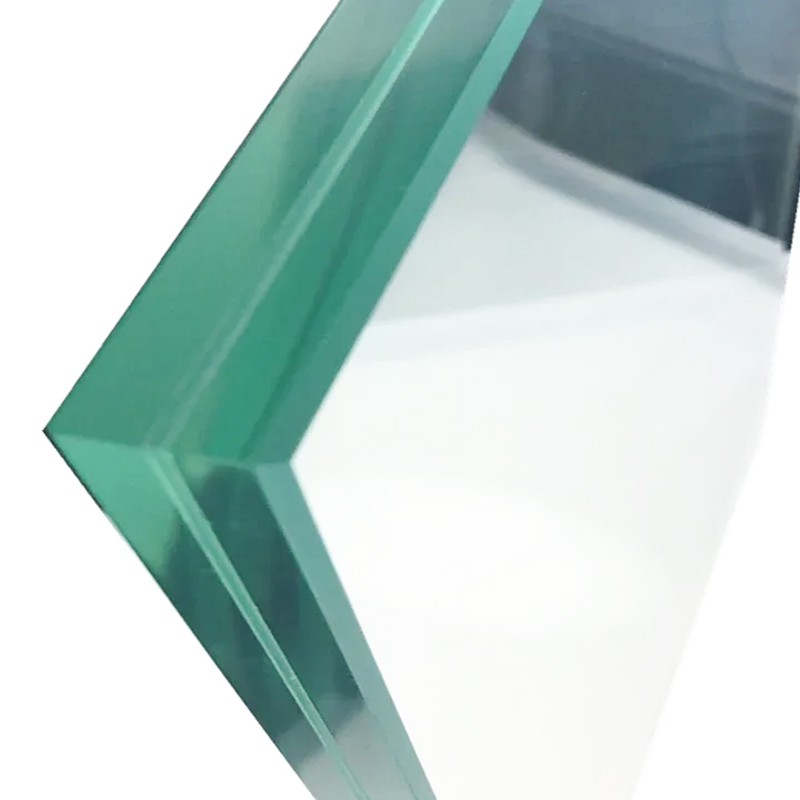
A panoramic roof is a laminated glass assembly, not a single pane. The visible plies carry the mechanical load; the invisible interlayer carries the safety, acoustic and solar performance.
A common automotive build-up looks like this:
- Outer ply: 2.1 to 2.5 mm, heat-strengthened or chemically strengthened, with a ceramic frit printed at the perimeter.
- Interlayer: 0.76 mm standard PVB, 0.81 mm acoustic PVB, or an ionoplast sheet where stiffness matters.
- Inner ply: 1.6 to 2.1 mm, sometimes coated for infrared reflection.
- Edge: frit plus primer or gasket, because the laminate edge is the first place moisture attacks.
- Total: usually 4.5 to 6.5 mm, which is why the roof weighs more than the panel it replaces.
Because laminated glass is rarely seen being made, the interlayer line in a specification is usually too vague. A note like PVB, 0.76 mm leaves acoustic and thermal performance completely open.
Laminated or Tempered: The Choice That Defines a Roof
Overhead glazing should be laminated, not tempered, wherever people sit or walk underneath. Tempered glass is stronger in bending, but when it fails the whole panel releases into small dice. Laminated glass keeps the fragments bonded to the interlayer, so the opening stays closed.
Tempered single pane
- Breaks into small fragments across the full panel
- No post-breakage barrier above occupants
- Lighter, about 10 kg per square metre at 4 mm
- No interlayer, so no acoustic or solar tuning
- Cheaper per square metre and quicker to replace
Laminated panoramic glass
- Fragments stay bonded; the roof remains a barrier
- Acoustic PVB cuts speech-range noise by 3 to 6 dB
- Heavier, about 13.7 kg per square metre at 5.5 mm
- Heat-control and UV-blocking interlayers available
- Higher unit cost, far better overhead safety
The practical rule for panoramic roofs and skylights: if a person can sit under it, the glazing should still hold a bonded interlayer after breakage. Weight and cost are design constraints, not reasons to switch back to tempered glass.
Where the Performance Actually Lives: The Interlayer
Two panoramic roofs can use identical glass plies and behave completely differently, because the difference sits in a sub-millimetre film. PVB interlayer film is the default thermoplastic for automotive and architectural laminated glass: it bonds both plies, absorbs impact energy, filters UV, and can be engineered for sound or solar control.
| Interlayer | Typical gauge | Effect in the roof | Watch-outs |
| Standard PVB | 0.76 mm | Bonding, impact absorption, UV filtering | Limited acoustic and solar benefit |
| Acoustic PVB | 0.81 mm | 3 to 6 dB extra attenuation from 1 to 5 kHz | Higher cost; gain drops if gauge is reduced |
| Heat-control PVB | 0.76 mm | Blocks a large share of near-infrared energy | Visible light transmission must be checked per project |
| SGP ionoplast | 1.52 mm | Higher stiffness and post-breakage retention | Heavier, stiffer lamination window, higher cost |
| EVA film | 0.4 to 0.8 mm | Good for decorative and some architectural laminates | Less common on automotive roof lines |
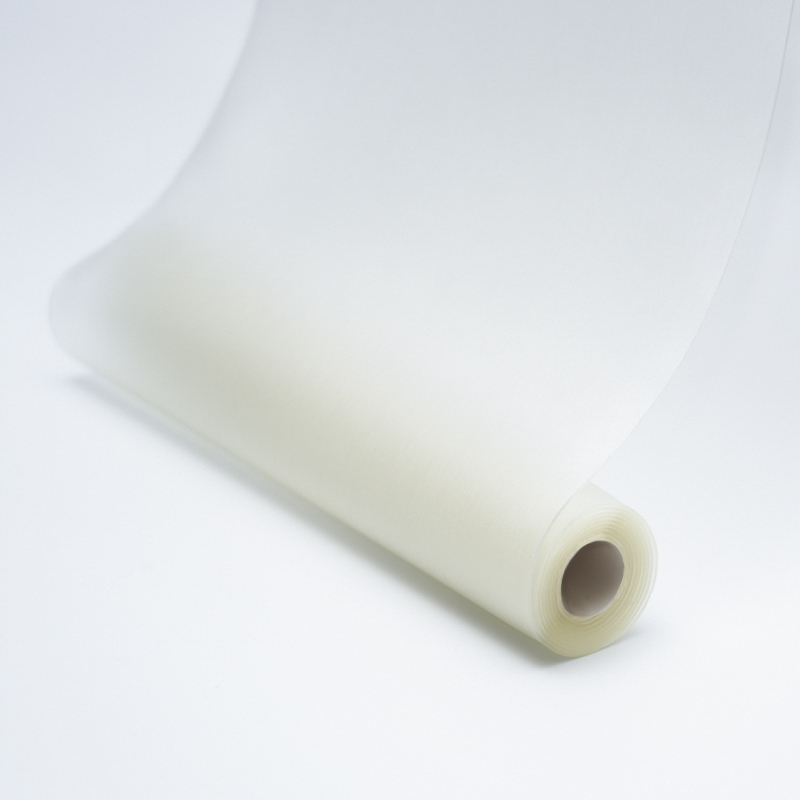 Automotive-Grade PVB Interlayer Film for Laminated Safety GlassAutomotive-grade PVB interlayer for laminated safety glass, offering bonding, impact absorption, UV filtering, and acoustic or solar-control options in clear or tinted forms.View Product →
A 0.05 mm gauge change looks trivial on paper, but the interlayer is the only layer in the stack that can be re-engineered without touching the glass, the tooling or the roof frame.
Quiet, Cool and UV-Safe: The Numbers That Matter
Comfort performance in panoramic glass is measurable, and the numbers are modest but real. Standard PVB blocks more than 99 percent of UV radiation below 380 nm regardless of gauge. Acoustic PVB adds a few decibels in the range where conversation happens. Heat-control interlayers strip a large share of near-infrared energy before it becomes cabin heat.
3-6 dB Extra attenuation from acoustic PVB in speech frequencies
99%+ UV below 380 nm blocked by a standard PVB interlayer
0.81 mm Typical acoustic interlayer gauge in a panoramic roof
The acoustic gain depends on the whole assembly. A 5.5 mm laminated roof with acoustic PVB will not match a dedicated acoustic windshield, but it is consistently quieter than the same stack with standard PVB. For solar control, the deciding figure is usually total solar transmittance rather than visible light, so two roofs that look identical from inside can differ by well over 10 percentage points in heat load.
 PVB Sound Insulation Interlayer Film for Automotive and Architectural GlassCo-extruded PVB film with a sound-insulation core layer, designed to reduce noise by about 5 dB in the 1,000–4,000 Hz range while preserving laminated-glass safety.View Product →
Sound and heat are bought in the interlayer, not in the glass. Upgrading the plies while keeping a standard 0.76 mm film is the most common way a panoramic roof misses its comfort targets.
Panoramic Glass Beyond Cars: Skylights, Atriums and Canopies
In buildings, panoramic glazing means floor-to-ceiling panels, roof lights and canopies, and three things change: spans get longer, loads are calculated rather than crash-tested, and solar control becomes the dominant comfort issue. Overhead architectural glazing is laminated almost everywhere, for the same reason as a car roof.
Both plies are normally heat-strengthened and both are laminated, because a single-ply inner face would still fall as one piece. Interlayer choice in a facade is driven by heat gain: heat-control film keeps much of the near-infrared energy out while leaving visible light transmission in the 40 to 70 percent band, which is where most atrium designs settle.
Ask for total solar transmittance, light transmittance and U-value of the completed assembly, not of the interlayer alone. A film datasheet describes a film; a facade is judged on the assembled unit.
Projects that cover vehicles and buildings can apply the same laminated glass application logic to both: fix the safety requirement first, then tune the interlayer for noise or solar, and only then confirm thickness and weight against the frame.
Specifying Panoramic Glass: Six Steps Before the First Sample
A panoramic glass specification is settled in six decisions. Skipping any of them usually shows up later as delamination, optical distortion or a failed acoustic target rather than an obvious defect.
- Fix the build-up: ply thickness, glass type, total thickness and the weight budget for the roof or frame.
- Choose the interlayer function first and the gauge second, whether standard, acoustic or heat-control, 0.76 mm or 0.81 mm.
- Define the edge: frit width, edge deletion, primer or gasket, and a sealant that stays compatible with the interlayer.
- Set optical limits for curved panels: allowable distortion, haze and anisotropy at the driver's actual viewing angle.
- Run durability tests on the assembled unit, covering humidity, boil, UV exposure and thermal cycling, not on the film alone.
- Lock the supply conditions: roll width against panel size, storage below 25 C, sealed packaging and a defined shelf life.
Most field failures in panoramic glazing trace back to step three or step six. Interlayer edges absorb moisture, and a roll stored warm or left unwrapped laminates differently from the sample that was approved.
Panoramic Glass: Frequently Asked Questions
Is panoramic glass tempered or laminated?
Production panoramic roofs and overhead building glazing are laminated, usually with one or two heat-strengthened or chemically strengthened plies bonded by a thermoplastic interlayer. Tempered glass still appears in the same vehicles in side windows, where a single pane is acceptable because nobody sits under it.
How thick is panoramic roof glass?
Most automotive panoramic roofs finish between 4.5 and 6.5 mm total, for example a 2.1 mm outer ply, a 0.76 mm interlayer and a 2.1 mm inner ply. Architectural panels run thicker, commonly 6 to 12 mm per ply, because spans and wind loads are much larger.
Does panoramic glass reduce noise or heat?
It can, but only through the interlayer. Acoustic PVB typically adds 3 to 6 dB of attenuation in the speech range, and heat-control PVB blocks a large share of near-infrared energy. The same glass with standard PVB delivers neither benefit, which is why the film, not the pane, should be written into the purchase specification.
Can a panoramic roof be repaired after a chip?
A small chip in an outer ply can sometimes be resin-repaired if it sits outside the driver's primary view, but a crack that reaches the interlayer means replacing the panel. That is the trade-off of laminated construction: it keeps fragments in place, and it does not forgive structural damage.