language
 English
 русский
 Español
 عربى
عربى
 中文简体
中文简体

Content
How Architectural PVB Interlayer Film Works
Drop a steel ball on a sheet of ordinary window glass and it shatters into loose, sharp fragments. Do the same to a laminated panel built with architectural-grade PVB interlayer film built for glazing performance, and the glass cracks but stays in one sheet. The difference sits in a thin resin layer most people never notice until it saves them from an injury.
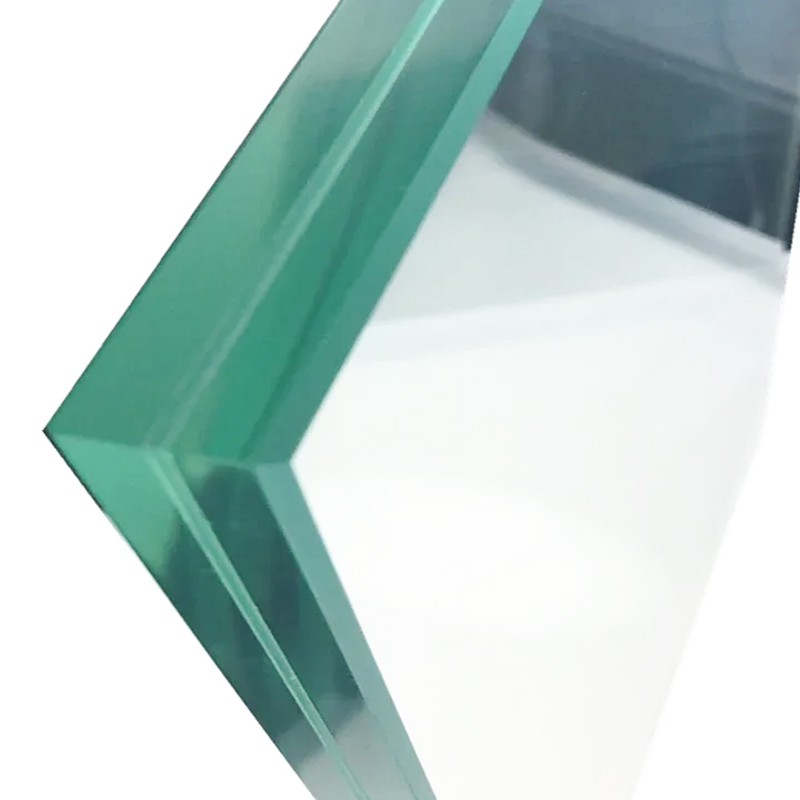
Polyvinyl butyral (PVB) is a plasticized resin sheet placed between two panes of glass and fused under heat and pressure in an autoclave. That process turns three separate layers into a single laminate, with the PVB bonding tightly to the glass surface on both sides. The resin itself is soft and ductile rather than rigid, which is exactly what lets it stretch and absorb energy instead of snapping.
When the glass breaks, the interlayer keeps the shards adhered in place rather than letting them fall or fly outward. This is why laminated PVB glass is specified anywhere occupant safety, forced-entry resistance, or fallout prevention matters — facades, overhead glazing, and railings among them.
Thickness and Performance: Matching PVB to Load Requirements
PVB interlayers are not sold as a single generic product. Thickness changes what the laminate can withstand, and specifying the wrong gauge either wastes money on unnecessary protection or leaves a building under-protected.
| Thickness | Typical Role | Common Applications |
|---|---|---|
| 0.030" (0.76mm) | Minimum gauge for basic safety glazing | Interior partitions, low-risk vertical glazing |
| 0.060" (1.52mm) | General-purpose safety and structural laminate | Facades, balustrades, standard skylights |
| 0.090" (2.28mm) | Higher stiffness and post-breakage rigidity than 0.060" | Larger spans, overhead glazing, structural applications |
| 0.100"+ / multi-ply | Elevated impact and penetration resistance | Storm-rated facades, security glazing, blast mitigation |
Acoustic-grade PVB is a separate variant worth calling out here: it uses a modified plasticizer formulation rather than simply adding thickness, which is why a thin acoustic layer can outperform a much thicker standard PVB sheet on sound transmission alone.
Choosing PVB by Performance Need
Most architectural projects need more than "safety glass." The specific performance a facade or opening has to deliver determines which PVB variant belongs in the makeup.
Standard PVB
Clear PVB at 0.030"–0.060" covers the baseline requirement for laminated safety glazing: retaining glass fragments on impact while keeping optical clarity close to monolithic glass. This is the default choice for interior glazing, low-rise facades, and any application where the main driver is code-required safety rather than a specialized performance target.
Colored and Decorative PVB
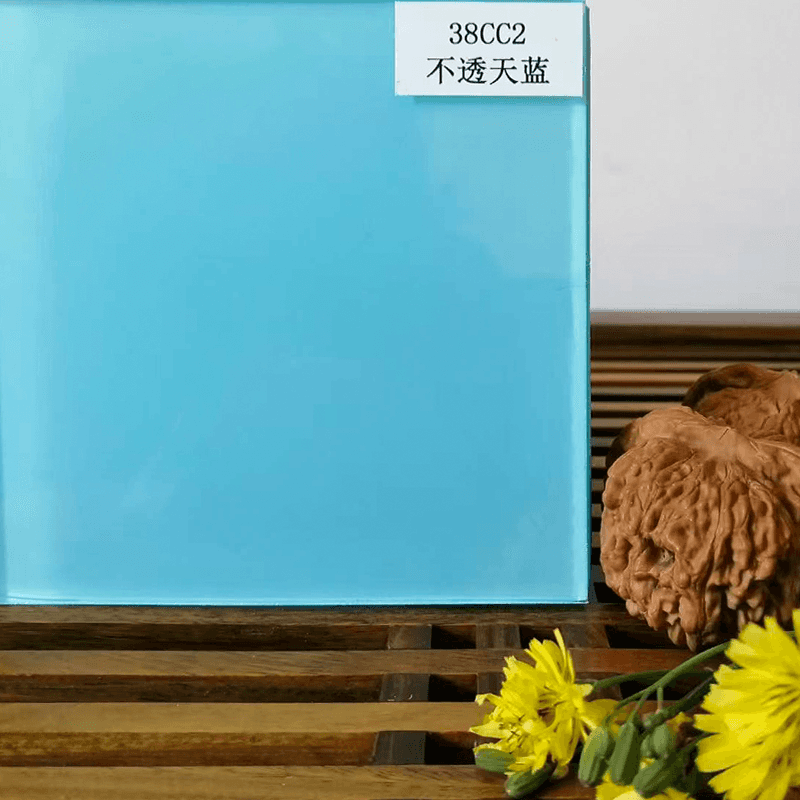
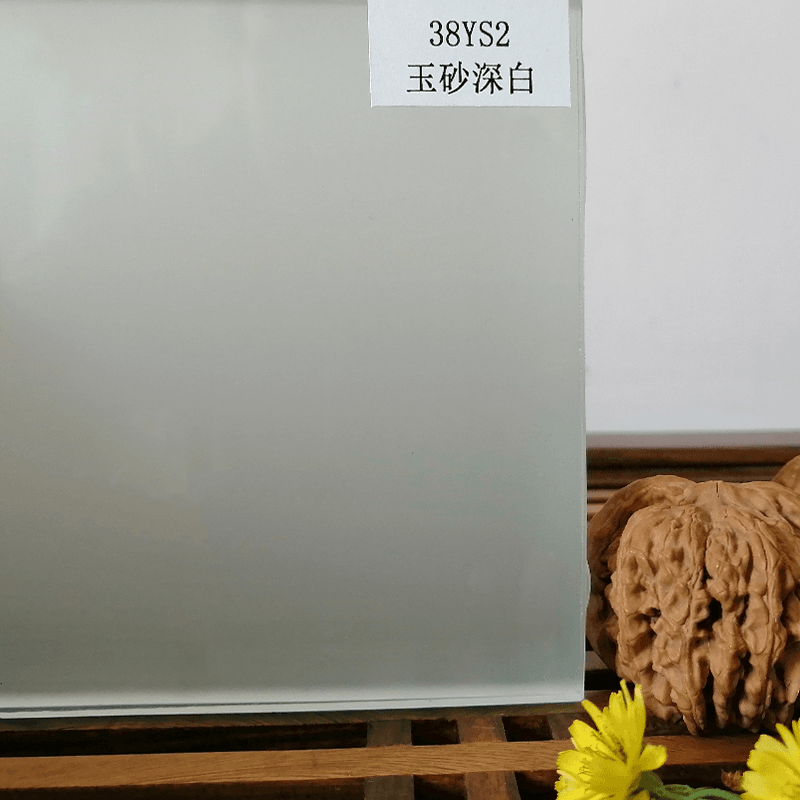
Colored interlayers are built from the same PVB base resin but formulated with pigment layers, and can be combined across multiple plies to produce custom shades. Beyond aesthetics, tinted PVB reduces glare and can contribute to solar control, which makes it a practical option for lobbies, canopies, and feature facades where design intent and light management overlap. Projects that need this route are better served by a decorative colored PVB interlayer for architectural glazing rather than a post-applied film.
UV-Protective PVB
Standard PVB already blocks a meaningful share of UV radiation, but formulations optimized for UV protection push that further without sacrificing visible light transmittance. That matters for retail displays, museums, and interiors where UV exposure fades furnishings, artwork, or merchandise over time. For projects prioritizing both solar heat control and UV attenuation, UV-blocking and heat-insulating PVB film options address both concerns in one interlayer rather than requiring a separate coating.
Acoustic (Sound-Insulating) PVB
Hospitals, hotel corridors, recording studios, and buildings near airports or highways share one requirement: cutting airborne noise transmission through the glazing. Acoustic PVB can reduce sound transmission by several decibels compared to standard PVB of the same thickness, largely because its plasticizer formulation dampens vibration differently across the frequency spectrum. Specifying acoustic PVB interlayers for noise-sensitive building environments is usually more cost-effective than upsizing glass thickness alone to hit an STC target.
Impact, Security, and Storm Resistance Ratings
Coastal and hurricane-prone regions add another layer to the decision: how the laminate performs when hit by wind-borne debris, not just how it behaves under a static load. Impact testing for this class of glazing is generally organized around missile size and building elevation rather than a single pass/fail number.
- Small missile ratings apply to openings above roughly 30 feet, where the debris risk is smaller fragments rather than large objects
- Large missile ratings apply near ground level, where lumber, signage, and other sizeable debris can strike the glazing directly
- Essential-facility ratings call for multi-ply interlayer builds, since a single standard PVB layer typically can't meet that higher threshold on its own
Meeting a higher missile rating almost always means moving to a thicker or multi-ply PVB build, sometimes paired with a reinforcing film layer rather than PVB alone. This is a case where the interlayer choice is driven entirely by the project's wind zone and elevation, not by aesthetics or budget preference.
Where Architectural PVB Is Specified
The same interlayer principle applies across very different building elements, but the priority shifts depending on where the glass sits.
- Curtain walls and facades — structural performance and solar control typically outweigh acoustic concerns, favoring standard or solar-control PVB at 0.060" or above.
- Skylights and overhead glazing — fallout prevention is non-negotiable here, since broken fragments would otherwise fall directly on occupants below; 0.090" or thicker PVB is common.
- Railings and balustrades — structural retention after breakage matters more than acoustic or UV performance, making standard or enhanced PVB the usual pick.
- Canopies and entrance glazing — visibility and weathering resistance often take priority, which is where UV-protective or lightly tinted PVB earns its place.
Buyers sourcing for a specific project should work backward from these functional requirements before comparing suppliers, since two PVB rolls that look identical on a spec sheet can perform very differently once laminated. A closer look at key specifications and buying considerations for architectural PVB film covers how to read those spec sheets before placing an order.
PVB vs. Other Interlayer Options
PVB is not the only interlayer material on the market, and it isn't always the right one. SGP (ionoplast) interlayers are significantly stiffer and better suited to structural glazing with minimal framing support, though at a higher material cost — the differences are covered in more detail in how SGP interlayer film compares to and outperforms PVB in certain applications. EVA, by contrast, is generally chosen for cost-sensitive or photovoltaic lamination rather than high-performance architectural glazing.
For most vertical and overhead architectural glazing, PVB remains the default because it balances cost, adhesion, and the widest range of performance variants in one material family. Readers weighing that decision against a lower-cost alternative can compare the two directly in how PVB interlayer film compares to EVA interlayer film.