language
 English
 русский
 Español
 عربى
عربى
 中文简体
中文简体

Content
- 1 Safety: Fragments Stay Put, Forming an Invisible Shield for High-Rise Buildings
- 2 Bullet Resistance: Impact Absorption in Multi-Layer Composite Glass
- 3 Sound Insulation: Quieter Interiors
- 4 Thermal Insulation: Filtering Infrared Rays to Cut Cooling Costs
- 5 UV Resistance: Blocking 99% of UV Radiation to Protect Interiors
- 6 Wind Resistance: High Elasticity and Toughness Improve Overall Load Capacity
- 7 Six Properties at a Glance
- 8 How to Choose the Right PVB Interlayer Film for Your Application
- 9 Final Thoughts: Choosing PVB Interlayer Film Is Choosing Long-Term Safety
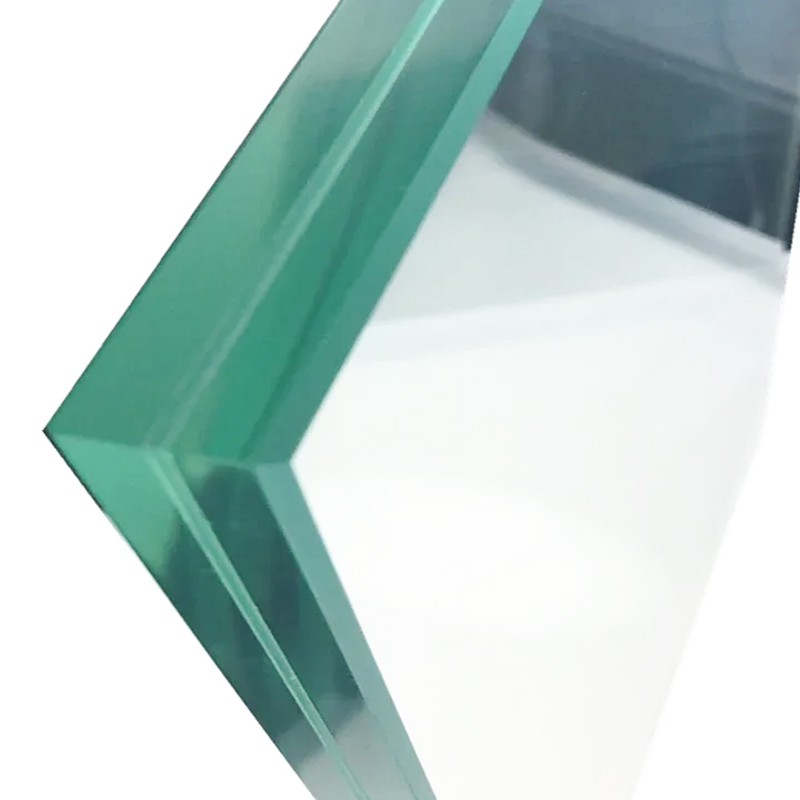
When ordinary tempered glass shatters, the fragments scatter like blades in every direction. When laminated glass built with Daruihengte PVB interlayer film breaks, the shards stay bonded to the film and the pane largely holds its shape. That difference is the entire reason PVB (polyvinyl butyral) interlayer film exists — it isn't just "a layer of adhesive between two panes of glass," it's the material that determines whether laminated glass actually delivers on its safety promise. Below is a breakdown of the six properties that make Daruihengte PVB interlayer film worth specifying, and the real-world problems each one solves.
Safety: Fragments Stay Put, Forming an Invisible Shield for High-Rise Buildings
Daruihengte PVB interlayer film has exceptionally strong adhesion. When glass fractures under impact, the shards stay firmly bonded to the film surface instead of falling away and injuring people. This matters most for high-rise curtain wall glass — if glass breaks at height, ordinary shards become a serious falling hazard, whereas laminated glass keeps its structural integrity even after breaking, holding fragments in place thanks to the PVB film's bonding strength.
Because of this, PVB laminated glass is widely used in office tower curtain walls, shopping mall skylights, and subway platform barriers — anywhere crowds gather or work happens at height — making it a baseline requirement for architectural safety glazing.
Bullet Resistance: Impact Absorption in Multi-Layer Composite Glass
In multi-layer composite bulletproof glass, Daruihengte PVB interlayer film plays the central role of absorbing impact energy. A bullet passing through glass generates a sudden, intense pressure spike, and the elastoplastic structure of PVB film can absorb most of that impact pressure, slowing or even stopping penetration.
Typical Applications
- Bulletproof counters in banks and vaults
- Security glazing for government buildings and embassies
- Observation windows in cash-in-transit vehicles and armored vehicles
Higher ballistic ratings require more PVB layers and greater overall thickness, so the exact specification should be matched to the applicable protection standard and use case.
Sound Insulation: Quieter Interiors
Sound waves passing through glass cause vibration, and the viscoelastic structure of Daruihengte PVB interlayer film creates damping that weakens the energy carried by that vibration. Compared with standard insulated glass units, PVB laminated glass noticeably outperforms in blocking mid- and low-frequency noise, such as traffic sound and voices.
That's why homes on busy streets, recording studios, hotel rooms, and airport terminals — spaces with strict acoustic requirements — often specify PVB laminated sound-insulating glass.
Thermal Insulation: Filtering Infrared Rays to Cut Cooling Costs
Daruihengte PVB interlayer film filters the infrared component of sunlight, reducing heat transfer between indoor and outdoor spaces. In summer this limits the rise in indoor temperature caused by solar radiation, and in winter it reduces indoor heat loss — indirectly lowering the energy load on a building's HVAC system.
For buildings with large glass curtain wall areas, this passive energy-saving effect adds up over time and has a real impact on operating costs.
UV Resistance: Blocking 99% of UV Radiation to Protect Interiors
Daruihengte PVB interlayer film blocks 99% of UV radiation in sunlight. UV exposure is one of the main causes of fading and aging in furniture, flooring, curtains, and artwork, and prolonged exposure also raises the risk of sunburn and related skin health issues.
Windows and skylights built with PVB laminated glass essentially add an invisible layer of "sun protection" to interior spaces, making the material especially well suited to museum galleries, retail display windows, and residential skylights where UV exposure is a concern.
Wind Resistance: High Elasticity and Toughness Improve Overall Load Capacity
Daruihengte PVB interlayer film has high elasticity and toughness. When glass is under heavy wind pressure, the film absorbs and disperses much of that force, increasing the overall strength and load-bearing capacity of the laminated glass. This property is particularly important for coastal buildings in typhoon- and hurricane-prone regions, as well as curtain wall design for super-tall buildings.
Six Properties at a Glance
| Property | Core Function | Typical Applications |
|---|---|---|
| Safety | Fragments stay bonded, no scattering | High-rise curtain walls, skylights |
| Bullet Resistance | Absorbs impact pressure | Financial security, government buildings |
| Sound Insulation | Vibration damping reduces noise | Homes on busy streets, hotels, studios |
| Thermal Insulation | Filters infrared, saves energy | Glass curtain wall buildings |
| UV Resistance | Blocks 99% of UV radiation | Museums, display windows, skylights |
| Wind Resistance | Disperses wind pressure impact | Coastal buildings, super-tall curtain walls |
How to Choose the Right PVB Interlayer Film for Your Application
The thickness and number of layers of PVB interlayer film directly determine the final performance of the glass. Here are some directions to consider when selecting a specification:
- If safety is the primary requirement: standard-thickness PVB film is generally sufficient to meet fragment-retention and basic impact-resistance needs
- If noise reduction is the priority: consider acoustic-grade PVB film, optimized specifically for mid- and low-frequency noise
- If bullet resistance is required: select the appropriate multi-layer composite structure and total thickness based on the specific ballistic rating needed
- If wind resistance or UV protection is the priority: match the configuration to local climate conditions and building orientation
Final Thoughts: Choosing PVB Interlayer Film Is Choosing Long-Term Safety
From preventing injury from broken glass, to resisting bullet impact, blocking noise, filtering UV rays, and withstanding strong winds, the six properties of Daruihengte PVB interlayer film aren't isolated specifications — together they form the foundation of what makes laminated glass genuinely "safe and reliable." Whether for a high-rise curtain wall, a home on a busy street, or a facility with strict security requirements, choosing the right PVB interlayer film specification is ultimately an upfront investment in the long-term safety of a building and the people inside it.