language
 English
 русский
 Español
 عربى
عربى
 中文简体
中文简体

Content
What Is SGP Interlayer Film?
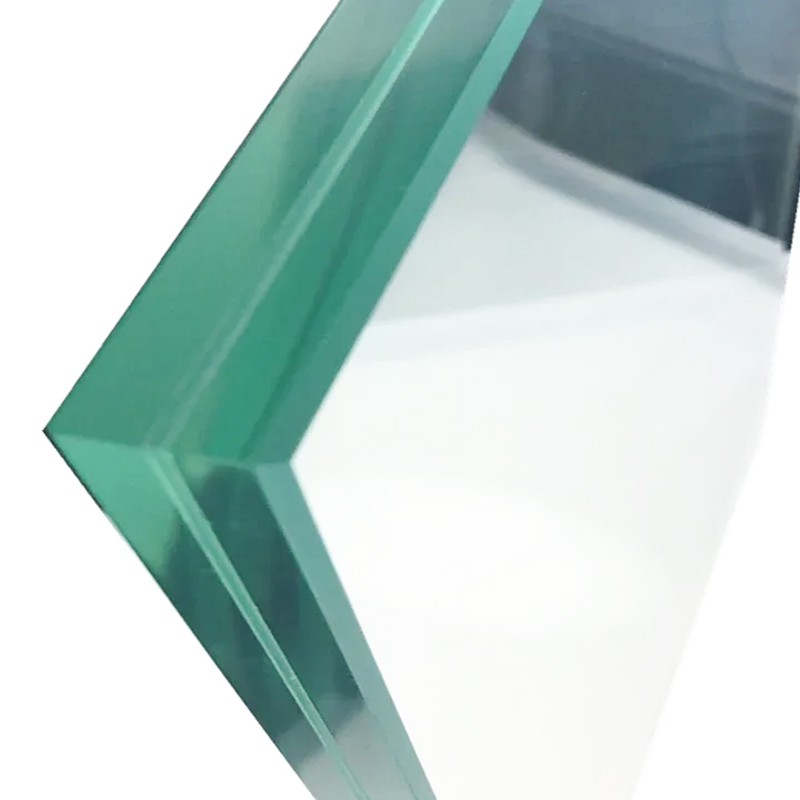
SGP interlayer film — short for SentryGlas® Plus — is a structural ionoplast interlayer used in laminated safety glass. Developed and commercialized by Kuraray (formerly a DuPont product line), SGP is composed of a stiff ionoplast polymer rather than the softer polyvinyl butyral (PVB) used in conventional laminated glass. This fundamental difference in chemistry gives SGP distinctly superior mechanical, optical, and durability characteristics.
Unlike PVB, which is plasticizer-dependent and relatively pliable at room temperature, SGP maintains its stiffness across a wide temperature range. Its shear modulus is approximately 100 times greater than that of standard PVB, a figure that underpins its role in demanding structural glazing applications.
Key Mechanical and Physical Properties
The performance advantages of SGP interlayer film stem directly from its material properties. The following table summarizes the most critical specifications compared to standard PVB:
| Property | SGP Interlayer Film | Standard PVB |
|---|---|---|
| Shear Modulus | ~230 MPa (at 20°C) | ~2 MPa (at 20°C) |
| Tensile Strength | ~34 MPa | ~20–23 MPa |
| Elongation at Break | ~400% | ~250–300% |
| Moisture Absorption | Very low (<0.5%) | Higher (1–3%) |
| Edge Stability | Excellent | Moderate (edge seal required) |
| Light Transmission | >99% visible light | ~99% visible light |
SGP's low moisture absorption is particularly relevant for exposed or frameless glazing applications, where edge delamination is a common failure mode in PVB-laminated units over time.
Post-Breakage Performance and Safety Behavior
One of the most critical performance criteria for any laminated glass interlayer is what happens after the glass breaks. PVB holds glass fragments in place but tends to sag under load over time, particularly in large-format or inclined panels. SGP interlayer film maintains structural integrity far more effectively after breakage, a property known as "stiffness retention."
In overhead or sloped glazing scenarios, SGP-laminated glass can support its own weight even after both glass plies have fractured — a quality that is directly codified in standards such as ASTM E2751 and referenced in EN 16612 for load-resistant glazing. This makes SGP the preferred choice for:
- Overhead canopies and skylights
- Glass floors and walkways subject to foot traffic
- Frameless structural glass fins and beams
- Hurricane and blast-resistant glazing assemblies
Impact resistance testing under standards like EN 12600 and ANSI Z97.1 consistently shows SGP-laminated panels achieving higher residual load capacity post-breakage than equivalent PVB assemblies of the same total thickness.
Structural Glazing and Architectural Applications
The structural capability of SGP interlayer film has enabled a new generation of architectural glazing that simply wasn't feasible with traditional PVB. Because SGP allows the interlayer itself to transfer load between glass plies, designers can reduce total glass thickness while achieving equivalent or superior structural performance — leading to lighter, more slender façade elements.
Notable application categories include:
- Point-fixed and frameless glazing systems, where the glass itself acts as a structural element with no supporting frame at edges or faces
- Glass balustrades and barriers designed to EN 1991-1-1 crowd load requirements
- Curtain wall spandrels and vision glass in high-rise buildings subject to significant wind and seismic loading
- Automotive and transportation glazing, including windshields for high-performance and armored vehicles
Because SGP has a near-optical-clarity appearance with no visible tint, it is also used where aesthetics are paramount — museum display cases, high-end retail showcases, and premium residential glazing are all common deployment environments.
Processing and Fabrication Considerations
SGP interlayer film is processed using standard laminated glass autoclave methods, but several technical differences from PVB must be accounted for during fabrication. SGP is stiffer and less tacky than PVB at room temperature, which means:
- Pre-press nip roller temperatures typically need to be slightly higher (around 60–70°C) to achieve initial tack
- Autoclave cycles generally run at 135–145°C and 10–14 bar, broadly similar to PVB but with stricter dwell time requirements for thicker interlayer builds
- Edge trimming after lamination is more demanding due to the toughness of the cured ionoplast layer
- Multiple SGP plies can be stacked to build up structural interlayer thickness (e.g., 2×0.89 mm) without delamination risk, unlike stacked PVB which has bonding concerns at internal interfaces
Fabricators working with SGP for the first time are advised to validate their autoclave cycles against Kuraray's published processing guidelines, as deviation can result in optical defects or incomplete adhesion at the glass-interlayer interface.
SGP vs. PVB: Choosing the Right Interlayer
SGP is not a universal replacement for PVB — the two interlayers serve different market segments. PVB remains the industry standard for automotive windshields (where flexibility is an advantage), standard architectural glazing with conventional framing, and cost-sensitive applications. SGP interlayer film is the correct specification when structural load transfer, post-breakage retention, or edge exposure resistance is a primary design requirement.
From a cost perspective, SGP commands a meaningful price premium over PVB — typically 3 to 5 times higher per unit area depending on thickness and volume. However, this is frequently offset by reductions in glass thickness, fewer structural supports, or the elimination of secondary structural framing elements in the overall assembly.
Specifiers and procurement teams should evaluate total system cost — including fabrication, installation, and long-term maintenance — rather than interlayer material cost in isolation when making the PVB vs. SGP decision.