language
 English
 русский
 Español
 عربى
عربى
 中文简体
中文简体

Content
A bedroom window twenty metres from a six-lane road teaches you more about acoustics than any textbook. Every truck pass-by, every bus braking at the stop, and every motorcycle accelerating through the gears arrives through the glazing almost unchanged. That is why so many people search for a sound dampening film for windows and end up comparing thin adhesive films that promise acoustic relief. The honest answer is that most of those films will disappoint you. The film that actually performs is not a surface film at all. It is a sound insulation interlayer laminated inside the glass.
The short version, stated up front: retrofit surface films buy you very little in traffic-noise reduction, while laminated glass with an acoustic PVB interlayer delivers a measurable and often dramatic improvement. This article explains why that difference exists, what you can reasonably expect from each approach, and what to verify before you buy.
What "Sound Dampening Film for Windows" Usually Means
When buyers ask for a sound dampening film for windows, they can be looking at two completely different products under the same name. Understanding which one you are buying is the first step, because the two perform at completely different levels.
- Retrofit adhesive films: polyester sheets, typically 50 to 100 microns thick, applied to the surface of existing glass. They are sold for glare, UV, privacy, and sometimes noise.
- Interlayer films: functional layers such as polyvinyl butyral (PVB), laminated between two glass panes during production. Acoustic grades are formulated specifically for noise reduction.
The first category is cheap, quick, and marketed directly to homeowners. The second is an engineered material that becomes part of the glass itself. They differ in cost, performance, and installation, and they should never be compared on equal terms.
Why Thin Retrofit Films Hit a Physical Limit
Sound transmission loss through any partition depends primarily on mass. Architectural acoustics uses the mass law, which says that doubling the surface mass of a panel increases its transmission loss by roughly 5 to 6 dB over much of the frequency range. A single 4 mm float glass pane weighs about 10 kg per square metre. A 75-micron adhesive film adds less than 0.1 kg per square metre to that, so under the mass law it can do almost nothing.
Mass is not the whole story, however. Some thicker retrofit films, especially security and multi-layer products, add a viscoelastic layer on the glass surface. That layer can absorb a small amount of vibration energy, which is why some users report a subtle softening of high-pitched sounds such as road hiss or alarm tones. Installer reports typically put the total effect at 1 to 3 dB in favourable cases. Three decibels is just perceptible; it is not the half-as-loud transformation most people expect. For low-frequency traffic rumble, a thin film on a single pane does almost nothing.
| Aspect | Retrofit adhesive film | PVB interlayer laminated glass |
|---|---|---|
| Added mass per unit area | Less than 0.1 kg/m² | 0.5 kg/m² or more, depending on construction |
| Typical noise reduction | 1 to 3 dB in favourable cases | 5 to 10 dB improvement in Rw or STC |
| Installation | Applied to existing glass surface | Laminated between glass panes during production |
| Best use case | Glare, UV, day-time privacy | Traffic noise, acoustic comfort, safety |
The right mental model is that a retrofit film treats a symptom, while an interlayer fixes the structure of the glazing itself.
The Real Fix: Laminated Glass with a Sound Insulation Interlayer
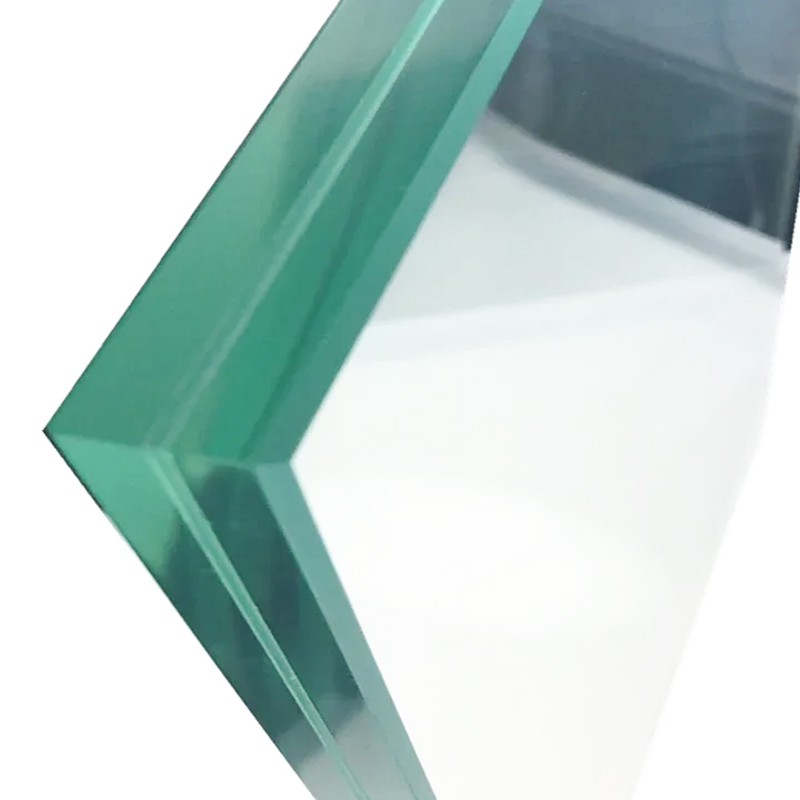
If the goal is genuine reduction in street noise, the proven route is laminated glass containing a sound insulation interlayer. The interlayer is a PVB film specially formulated for acoustic damping, usually 0.38 mm, 0.76 mm, or 1.14 mm thick, placed between two or more panes in an autoclave lamination process. In that construction it does two things at once:
- It adds meaningful mass to the glazing unit.
- It creates a viscoelastic damping layer that converts acoustic energy into a small amount of heat through internal friction.
A well-built laminated glass unit can achieve 5 to 10 dB improvement in the weighted sound reduction index (Rw) and sound transmission class (STC) compared with monolithic glass of the same total thickness, and it largely eliminates the coincidence dip that makes single glazing vulnerable at certain frequencies.
For a specifier or a homeowner comparing realistic options, this is the PVB sound insulation interlayer film that matters, not the adhesive sheet sold in rolls for DIY application.
 PVB Sound Insulation Interiayer Film Suppliers, Wholesale Company - Jiangsu DaruDaruihengte - PVB Sound Insulation Interiayer Film Suppliers and Wholesale PVB Sound Insulation Interiayer Film Company in China,HT-S ser...View Product →
How a PVB Sound Insulation Interlayer Works in Practice
Sound passing through laminated glass must first move the outer pane, then deform the interlayer, and then move the inner pane. The PVB interlayer is engineered to be stiff enough for safety glazing yet soft enough to shear internally as the two panes vibrate out of phase. That shear deformation is what dissipates acoustic energy. It is the same constrained-layer damping principle used in car body panels and aircraft fuselages.
Acoustic-grade PVB is not simply thicker standard PVB. The polymer formulation is modified to raise the damping factor in the frequency range that matters most for urban road noise, and the improvement appears in the glass unit's Rw and STC ratings. A closer look at real building installations explains why using a PVB sound insulation interlayer film helps with window noise in ways that surface films cannot replicate.
Where It Makes the Biggest Difference
Sound dampening interlayer film earns its keep wherever glazing faces continuous noise sources:
- Residential windows on busy streets, near highways, railways, or airports.
- Office facades, conference rooms, and hotel rooms where speech privacy and sleep quality matter.
- Automotive glazing, where laminated acoustic glass noticeably lowers wind and tyre noise during long drives.
In architectural projects, the same product often doubles as a safety and security layer, and because PVB blocks most ultraviolet radiation, it protects furniture and flooring from fading. These combined benefits make the upgrade easier to justify. Many projects use the architectural PVB interlayer film for external glazing and rely on the acoustic grade only where noise exposure is highest. For vehicle production, the automotive PVB interlayer film formulation is matched to the lamination cycles and windshield requirements of car glass lines.
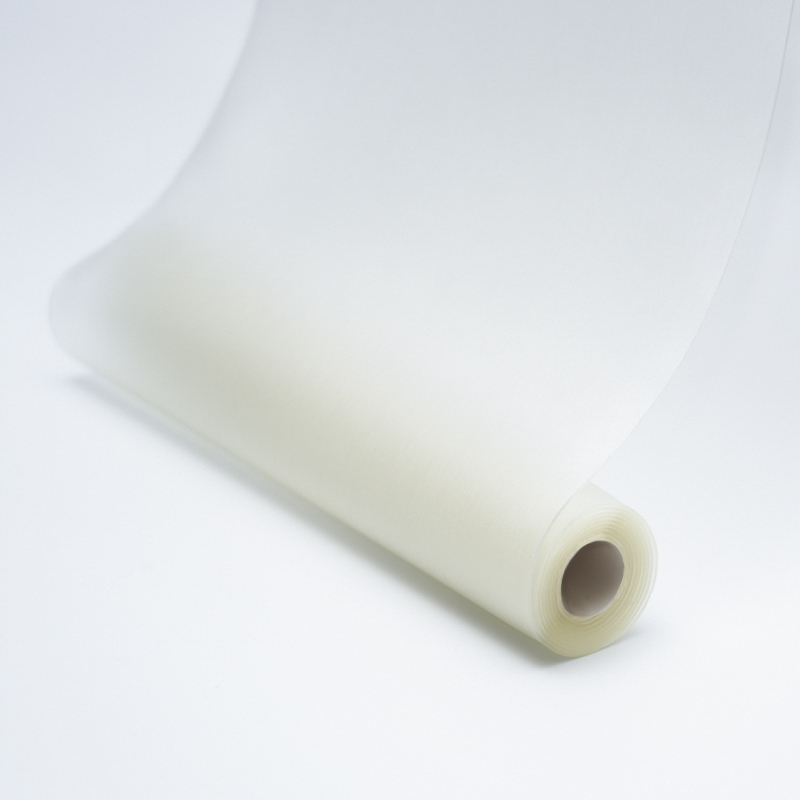 Automotive PVB Interlayer Film Suppliers, Wholesale Company - Jiangsu DaruihengtDaruihengte - Automotive PVB Interlayer Film Suppliers and Wholesale Automotive PVB Interlayer Film Company in China,DARUI Automotive PVB...View Product →
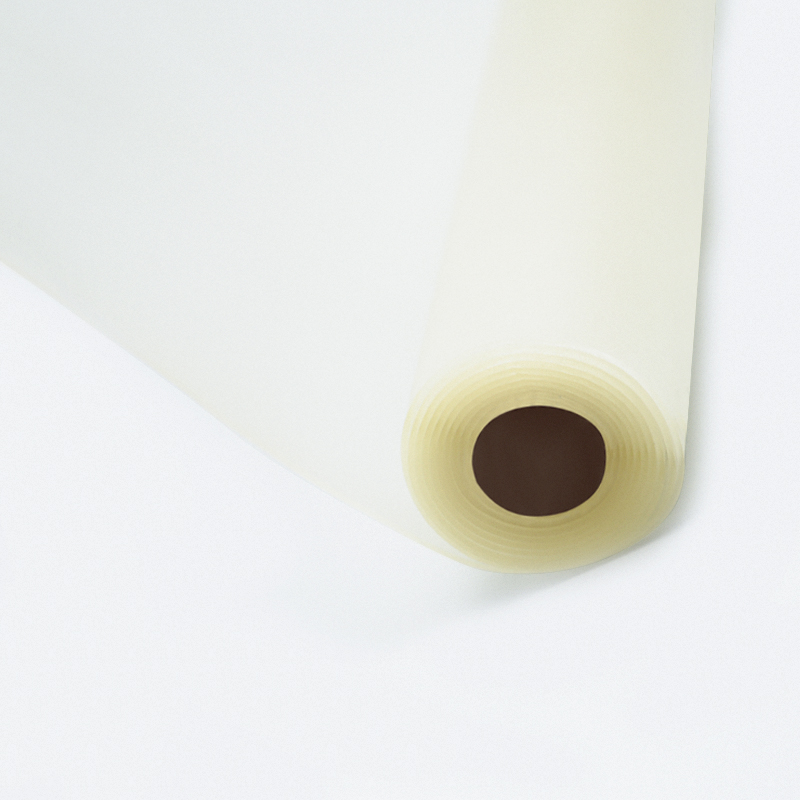 Architectural PVB Interlayer Film Suppliers, Wholesale Company - Jiangsu DaruiheDaruihengte - Architectural PVB Interlayer Film Suppliers and Wholesale Architectural PVB Interlayer Film Company in China,PVB interlayer...View Product →
The full set of contributions is covered in more detail in the article on the acoustic and UV protection benefits of PVB interlayer film in architectural glass.
What to Check Before You Buy
Whether you are a glass processor sourcing interlayers or a project team specifying finished units, the purchase decision comes down to a few verifiable points:
- Ask for acoustic data. A reliable supplier should provide Rw or STC measurements for a standard laminated glass construction, not just a single-number sales claim.
- Confirm the film thickness and build-up. For severe noise, 0.76 mm acoustic PVB, or a combination of acoustic and standard interlayers, performs better than a single 0.38 mm layer.
- Check the lamination process. PVB sound insulation film requires proper moisture control, clean lamination conditions, and autoclave parameters suited to the film grade.
- Consider the whole window. A high-performance glass unit loses its advantage if the frame leaks air, so verify the window system's airborne sound insulation rating as well.
In short: a sound dampening film for windows is a real solution, but only when it is laminated inside the glass, not stuck onto the surface. Surface films have their place for glare and heat, but for traffic noise, the engineering answer is an acoustic PVB interlayer in a correctly assembled laminated glass unit.