language
 English
 русский
 Español
 عربى
عربى
 中文简体
中文简体
Content
The sun sits low on a bright afternoon, and the left side of your face warms through the driver's window. Fifteen minutes later, the arm resting on the sill carries a distinct heat that feels like sun exposure. Anyone who spends time in a car eventually asks the practical question: does auto glass block UV?
The answer is yes, but not equally across all windows. A laminated windshield filters out about 99% of UVB and the majority of UVA. Tempered side and rear glass blocks almost all UVB but only part of the UVA range. In other words, your windshield is doing far more work than your side windows, and the reason comes down to how automotive glass is built.
What you need to know about UVB, UVA, and glass
UV radiation that reaches the ground is usually summarized in two bands. UVB runs from roughly 280 to 320 nm and carries enough energy to cause sunburn; UVA covers 320 to 400 nm, has lower energy but greater depth of penetration, and is the dominant type of UV you receive inside a car. A "UV-blocking" claim without a band specification is incomplete, because the two bands behave very differently when they meet glass.
Plain glass is already a good barrier to UVB. The silica network of soda-lime glass absorbs wavelengths below approximately 320 nm, so even a single tempered pane stops most burning rays. UVA is a different story: it is only partly absorbed by glass, and a substantial share passes through uncoated tempered panes into the cabin.
There is also a common misconception that if you can feel heat, UV must be getting through. The solar heat you feel is mainly infrared radiation. Glass blocks part of the infrared spectrum, but infrared transmission is not a proxy for UV protection. A cabin can feel hot while the glass is screening UV efficiently, or relatively cool while UV transmission is mediocre.
Why the windshield blocks UV better than the side windows
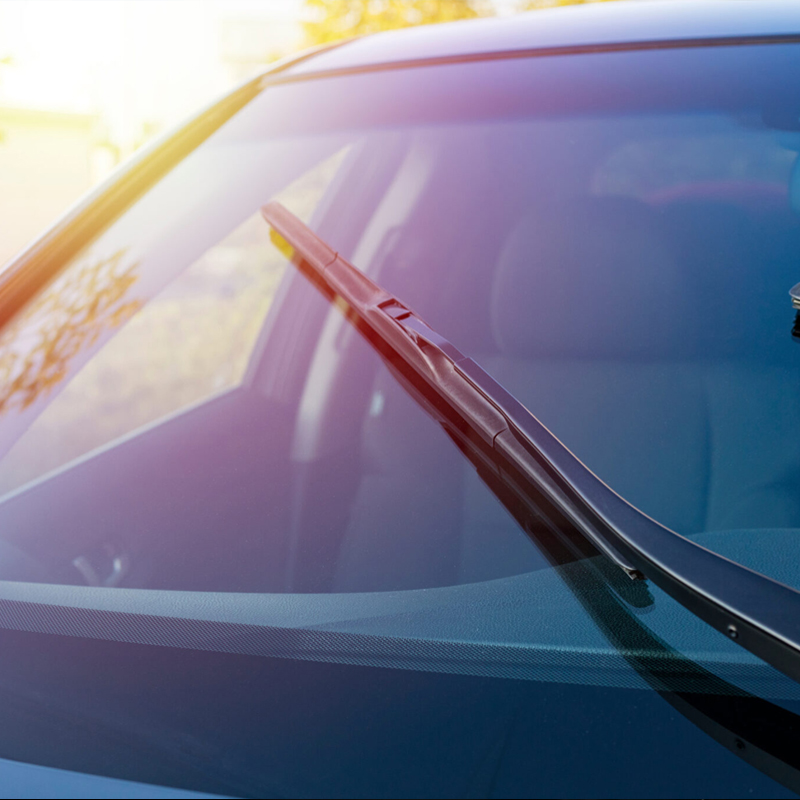
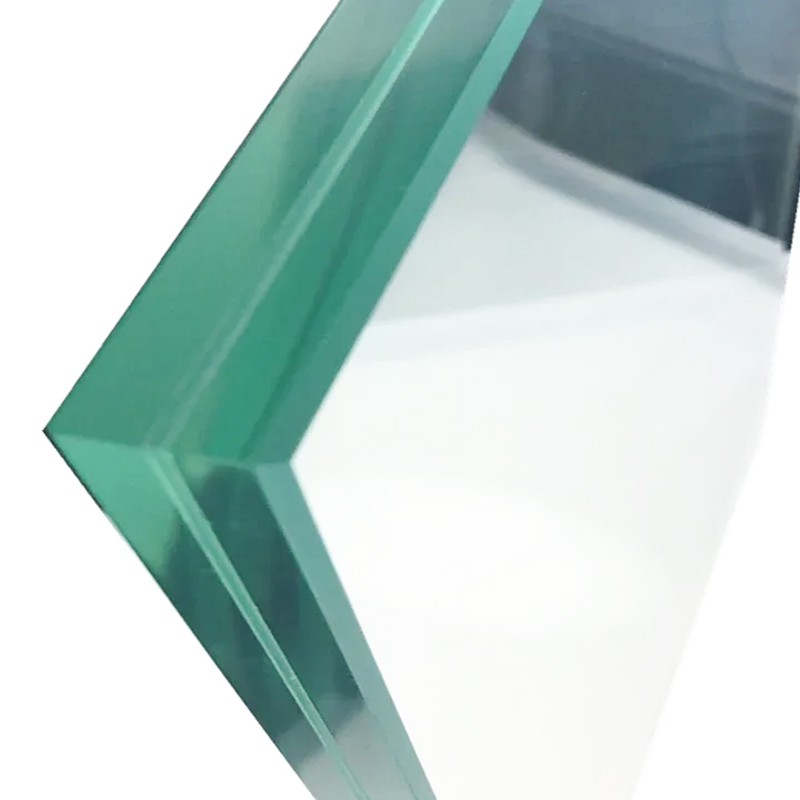
The windshield is the panel in a vehicle that is almost universally laminated. Laminated glass consists of two layers of glass bonded with a PVB (polyvinyl butyral) interlayer in between. The PVB film is the critical element for UV performance: its polymer structure absorbs photons across the UVA band and dissipates the energy, preventing the radiation from entering the cabin.
Because windshield lamination is a safety requirement in nearly every market, every production car delivers strong UV performance in the front. This also explains why factory windshields are rarely dark: the interlayer already performs the optical task, and the visible darkness of the glass is not a good indicator of how much UV it blocks.
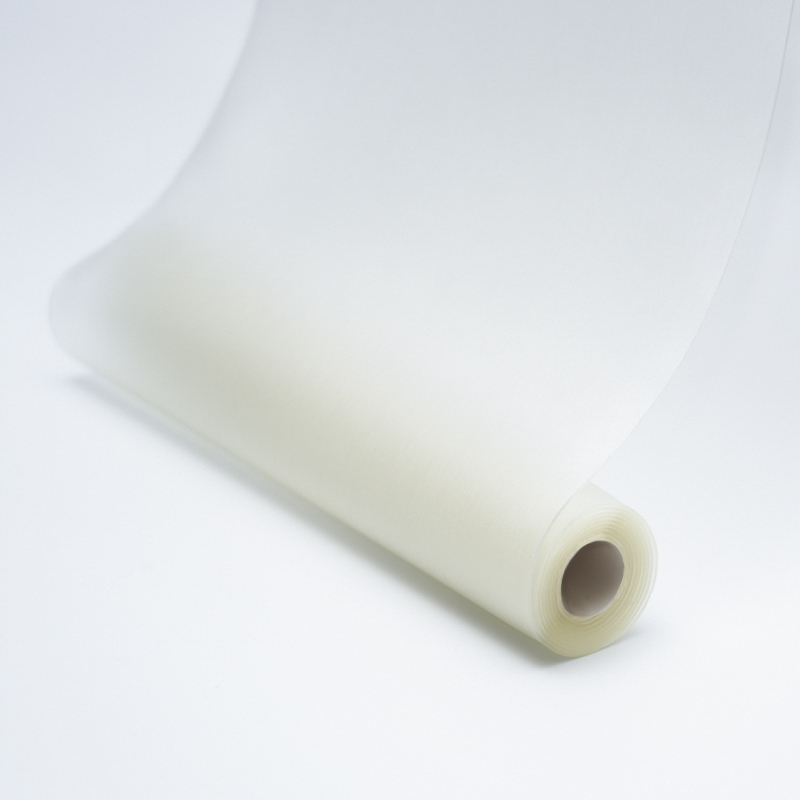 Automotive PVB Interlayer Film for Windshield LaminationThis interlayer film is a key component in laminated windshields, providing the UV absorption mentioned in the surrounding text. Available in clear, green, blue, and gray, it meets automotive-grade membrane requirements with tensile strength around 20.0.View Product →
Side and rear windows, by contrast, are typically made from tempered single-pane glass. Tempering creates a pane that is much stronger than annealed glass and, when broken, shatters into small blunt granules instead of long shards. But tempering does not add UV absorption. The glass remains effective against UVB and weak against UVA unless a coating is added or the window is laminated as well.
Laminated side glazing is becoming more common in premium vehicles because it also cuts acoustic transmission and increases intrusion resistance. From a UV standpoint, it behaves like a windshield: the PVB interlayer suppresses UVA just as effectively. If a specification sheet lists laminated side windows, you can expect the same high UV-blocking standard that the windshield provides.
UV protection by window position: a comparison
For a vehicle buyer, fleet manager, or glass processor, it helps to see performance expectations side by side. The table below gives typical ranges for production automotive glass; exact numbers vary with glass thickness, coatings, and interlayer grade.
| Window position | Glass construction | UVB (280-320 nm) | UVA (320-400 nm) | Common upgrade path |
|---|---|---|---|---|
| Windshield | Laminated with PVB interlayer | ~99% or higher | 95% or higher | IR-reflecting or heat-insulating laminate |
| Front side windows | Tempered, single pane | 95-99% | 50-75% | Aftermarket film or laminated side glass |
| Rear side windows | Tempered, single pane | 95-99% | 50-75% | Aftermarket film or laminated side glass |
| Rear window | Tempered, often with defroster lines | 95-99% | 50-75% | Film with UV absorber or laminated glass |
The numeric gap becomes tangible in real driving. A driver who spends an hour each day behind the wheel, with one side window exposed to afternoon sun, accumulates UVA exposure that a laminated side window would eliminate. Over years of commuting, the difference is comparable to the difference between working on the shaded side of the building and the sunny side of the parking lot.
Factory privacy glass, often chosen for its dark appearance, is usually tempered glass with a dyed or tinted bulk. The tint suppresses visible light and reduces glare, but it is not equivalent to a PVB interlayer for UVA performance. When privacy glass is a selection criterion, pair it with a certified UV-blocking data sheet rather than assuming the color equals protection.
Why accurate UV data matters for skin and the cabin
For individual drivers, UVA exposure is the long-term concern. Studies that measure UV dose behind the wheel find that the driver side of the face and the hand resting on the steering wheel receive the highest exposure in left-hand-drive countries. The windshield protects much better than most drivers realize, but the side window remains a weak point over a long commute.
The interior of the vehicle also ages in sunlight. UVA is the primary driver of photodegradation in dashboards, polyurethane seat foams, and dyed leather. Fading, tiny surface cracks, and a dull finish are the visible results after years of partial exposure. For a used-car buyer, a well-preserved dashboard can indicate that a car spent most of its life out of harsh sun or came with better glass.
For anyone specifying glass, the following checks prevent the most common purchasing mistakes:
- Request the spectral transmittance curve over 280-400 nm, not a single "99%" claim, because the curve reveals where the interlayer starts to transmit UVA.
- Confirm that the interlayer grade and thickness match the lamination process; consistent production parameters ensure the promised performance holds across large batches.
- Ask whether the same PVB grade is used in the windshield and in optional laminated side windows, so protection levels stay uniform across the whole cabin.
Practical steps to close the UV gap
For car owners, the most cost-effective improvement is a window film that states explicit UVA rejection. Many automotive films claim 99% UV reduction, and even a mid-priced film on side and rear windows brings cabin protection close to windshield level. Most jurisdictions regulate how dark front-side films can be, so check local limits on visible-light transmission before installing.
Vehicle buyers who want maximum protection without film should look for laminated side windows in the options list. Some manufacturers list acoustic glass on the window sticker; because acoustic side glass is laminated, it provides the same UV screening as the windshield. In markets where laminated side glazing is standard, the health and interior benefits arrive as part of the base vehicle.
For a deeper look at the technical background, read our article on whether PVB film blocks UV rays, which explains the absorption mechanisms in more detail.
For glass fabricators and automotive suppliers, the decision is ultimately an interlayer decision. The automotive PVB interlayer range includes standard performance films and specialized products, and the right choice depends on the UV target, the lamination line set-up, and the cost target of the final window assembly.
 PVB Interlayer Film Manufacturer with Broad Application RangeFrom this supplier, you can source standard and specialized PVB interlayers, including heat-insulating and sound-insulating versions. They serve automotive, architectural, and photovoltaic fields, making them a relevant choice when extending UV-blocking logic across product lines.View Product →
The same interlayer technology is applied in architectural and photovoltaic glass as well; you can see how interlayer films are used across automotive, architectural, and photovoltaic applications if the same UV-blocking logic needs to be extended to other product lines.
Auto glass does block UV, and a modern car already protects you from most UVB through every window. The part that deserves attention is UVA through the side and rear glazing. Whether you are a driver deciding on window film, a buyer comparing specifications, or a glass processor selecting interlayers, the practical rule remains the same: verify the UVA transmittance of the actual glass package, and do not let the visible tint convince you that the protection is complete.