language
 English
 русский
 Español
 عربى
عربى
 中文简体
中文简体

Content
- 1 What Separates SGP from PVB at the Molecular Level
- 2 Mechanical Strength: Tensile, Tear, and Rigidity Compared
- 3 Post-Breakage Structural Performance
- 4 Thinner Glass, Same Deflection: Structural Design Implications
- 5 Optical Clarity and Long-Term Weathering
- 6 Thermal Behavior: Expansion, Shear Modulus, and Heat Deflection
- 7 Full Performance Data Table (SGP vs PVB)
- 8 Choosing Between SGP and PVB for Your Project
What Separates SGP from PVB at the Molecular Level
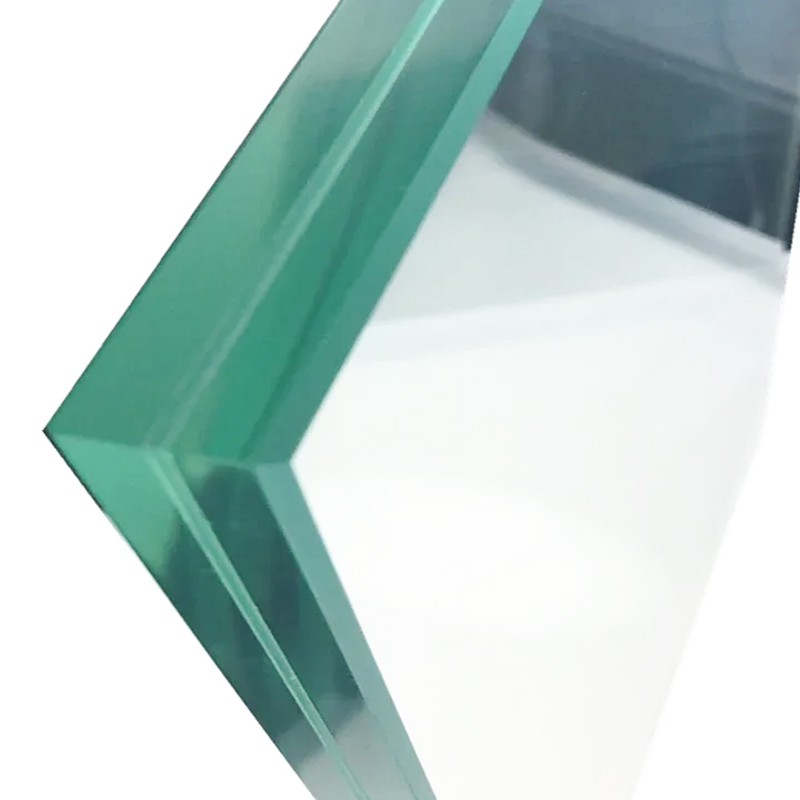
A glazing spec can hinge on a single word: ionoplast. SGP interlayer film is built from an ethylene-methacrylic acid copolymer carrying trace sodium metal ions, which is a fundamentally different chemistry from polyvinyl butyral. That distinction is not academic. Because SGP bonds to glass through ionic attraction rather than the hydrogen bonding PVB relies on, the resulting adhesion strength runs well above what PVB achieves on the same glass surface.
The practical result shows up the moment either film is put under load. SGP's stiffness is roughly 100 times that of conventional PVB, and its tear strength runs about 5 times higher. Those two multipliers explain nearly everything else in this comparison, from how thin a laminate can be specified to how a broken panel behaves under a service load.
Mechanical Strength: Tensile, Tear, and Rigidity Compared
Numbers settle arguments that adjectives cannot. Tested to ASTM D-638, SGP ionoplast film reaches a tensile strength of 34 MPa, against 25 MPa for standard PVB film. Elongation at break tells a similar story: SGP stretches to 350% before failure, while PVB tops out around 250%.
Higher tensile strength paired with higher elongation is an unusual combination in polymer films, since most materials trade one for the other. SGP holds onto both, which is why it carries higher bending strength in a finished laminate. Under identical glass structure and thickness, an SGP-laminated panel handles greater loading and higher wind-pressure resistance than the same build with a PVB interlayer. For teams comparing raw numbers before locking a bill of materials, a look at detailed SGP interlayer specifications and strength data is worth the ten minutes it takes.
Post-Breakage Structural Performance
Safety glass earns its name after the break, not before it. This is where the tensile and tear numbers stop being abstract and start deciding whether a panel stays upright or sags out of its frame. Because SGP has both higher tensile strength and higher tear strength, a laminate built with it retains meaningfully more support once the glass itself has fractured.
PVB still performs its job here; it is a proven, code-compliant interlayer used across the safety glass industry precisely because it holds fragments in place and absorbs impact energy well. But when a project calls for a laminate that must remain load-bearing after breakage, such as a structural glass floor, a frameless balustrade, or an overhead canopy, SGP's residual stiffness gives it a longer window before deflection becomes a problem. The mechanism behind this retention is covered in more depth in how SGP film improves glass retention after breakage.
Thinner Glass, Same Deflection: Structural Design Implications
Deflection limits drive a lot of structural glass specs, and this is precisely where SGP's rigidity pays off in the design phase rather than just the lab. Because the interlayer itself carries more of the structural load, an SGP laminate can meet the same deflection requirement at a smaller glass thickness than an equivalent PVB build.
Shaving thickness off a glass panel is not a cosmetic win. Every millimeter removed reduces the dead weight the panel carries and, by extension, the load the supporting frame, brackets, and substructure need to handle. On oversized panels or cantilevered applications, that weight reduction can cascade into a lighter, less expensive support system overall, not just a lighter piece of glass.
Optical Clarity and Long-Term Weathering
Strength numbers matter little if the glass yellows within a few years, so optical performance deserves equal attention. Both films measured to JC/T 2166-2013 come in at 89% light transmittance with haze under 1%, so daylight performance is effectively a tie at installation.
The gap opens over time. SGP's yellowness index sits below 2, while PVB typically runs between 6 and 12 under the same test. That difference becomes visible on large glazed facades and skylights exposed to years of UV, where a rising yellowness index gradually shifts the color cast of the whole elevation. Moisture resistance follows the same pattern: SGP holds moisture content under 0.1%, compared with 0.35% to 0.55% for PVB, which matters directly for edge stability in glazing that sits exposed to weather without full edge protection.
Thermal Behavior: Expansion, Shear Modulus, and Heat Deflection
Glass facades live through real temperature swings, and an interlayer that moves too much with heat can telegraph stress into the glass itself. SGP's coefficient of thermal expansion measures 100 x 10⁻⁶ mm/mm/°C under ASTM D-696, against 155 x 10⁻⁶ mm/mm/°C for PVB, meaning the ionoplast film expands and contracts less across a given temperature range.
Shear modulus at 30°C over a 3-second load duration shows the widest gap in the entire comparison: SGP measures 140 MPa versus roughly 1.3 MPa for PVB. In plain terms, SGP stays rigid under short-duration loading at room temperature, while PVB softens substantially at the same conditions. Heat deflection temperature for SGP is rated at 37°C under ASTM D-648, giving it a defined thermal threshold that standard PVB data sheets do not typically report.
Full Performance Data Table (SGP vs PVB)
Here is the complete side-by-side data set, drawn from Daruihengte's SGP ionoplast film testing against standard PVB film, with the governing test method for each property.
| Property | SGP Ionoplast Film | PVB Film | Test Standard |
|---|---|---|---|
| Tensile strength | 34 MPa | 25 MPa | ASTM D-638 |
| Elongation at break | 350% | 250% | ASTM D-638 |
| Density | 0.96 g/cm³ | 1.06 g/cm³ | ASTM D-792 |
| Light transmittance | 89% | 89% | JC/T 2166-2013 |
| Haze | <1% | <1% | JC/T 2166-2013 |
| Yellowness index | <2 | 6-12 | JC/T 2166-2013 |
| Moisture content | <0.1% | 0.35%-0.55% | JC/T 2166-2013 |
| Coefficient of thermal expansion | 100 x 10⁻⁶ mm/mm/°C | 155 x 10⁻⁶ mm/mm/°C | ASTM D-696 |
| Heat deflection temperature | 37°C | Not typically rated | ASTM D-648 |
| Shear modulus (30°C, 3s) | 140 MPa | 1.3 MPa | GB/T-6721 |
Reading this table as a whole rather than property by property is what actually informs a spec. SGP wins on every mechanical and optical durability metric here, but PVB's numbers are still well within the range that safety glass codes require for standard glazing.
Choosing Between SGP and PVB for Your Project
Neither film is a universal answer, and the data above should shape the decision rather than settle it outright. SGP is the stronger choice when a project involves any of the following:
- Frameless balustrades or glass floors that must remain load-bearing after breakage
- Oversized panels or long spans where reducing glass thickness lowers the whole support system's weight
- Facades or skylights with long UV exposure where color stability over decades matters
- Structural glazing exposed at the edges without full protection, where moisture resistance affects long-term bond integrity
PVB remains the practical, cost-effective default for a large share of laminated safety glass work: standard windows, doors, interior partitions, and applications where code compliance and budget outweigh the need for post-breakage load capacity. For projects centered on standard architectural glazing, architectural PVB interlayer film covers that ground reliably, and the full range of test data behind it is laid out in this PVB interlayer film performance data guide.
When a project's structural or aesthetic requirements point the other way, Daruihengte's SGP interlayer film product line is engineered to deliver the bonding, optical, and mechanical performance the table above describes, meeting the demands of the safety glass industry without compromise on any of those fronts.