language
 English
 русский
 Español
 عربى
عربى
 中文简体
中文简体
Content
Introduction: The Material Hidden Inside Glass
Look up at any modern skyline and you'll see glass towers stretching toward the sky. Look at the cars streaming past on the road, and you'll see windshields that seem perfectly ordinary. But hidden between the layers of glass in both is a quiet workhorse: PVB interlayer film. It sits invisibly between panes, yet it carries the weight of safety, sound insulation, and much more. Let's take a closer look at this understated material.
What Is PVB Interlayer Film
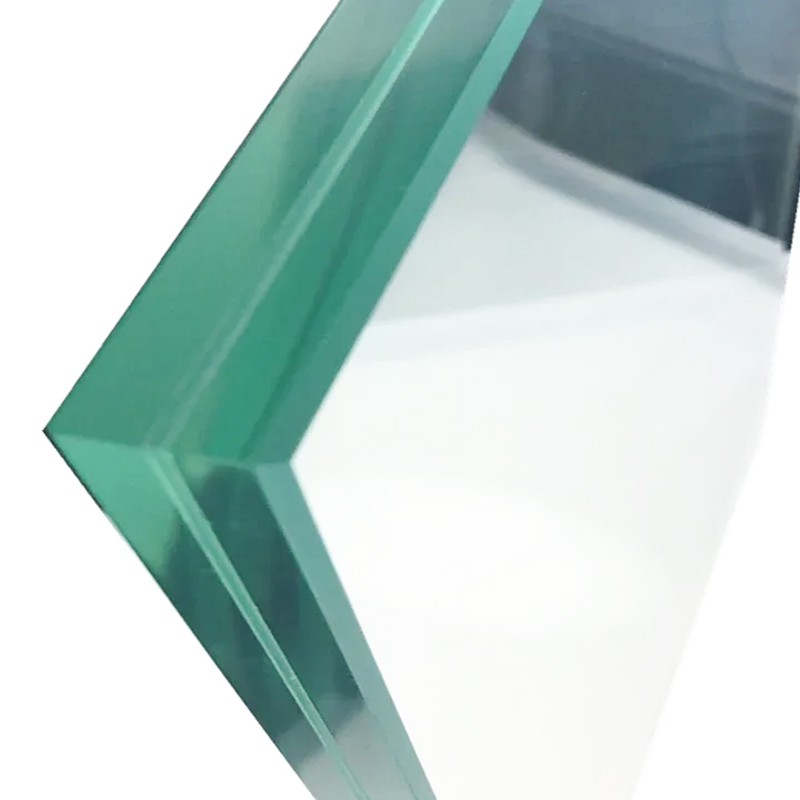
PVB stands for polyvinyl butyral, a highly transparent, tough polymer material. It's sandwiched between two panes of glass and bonded through a high-temperature, high-pressure process to form laminated glass. Widely used in building windows, skylights, and automotive windshields, PVB film is the core material behind safer, more functional glass.
Safety and Comfort in One
Shatter Resistance and UV Protection
Even when laminated glass breaks, the fragments stay firmly bonded to the PVB film rather than scattering, greatly reducing the risk of injury. The film also filters out UV rays effectively, helping protect indoor furniture and flooring from sun damage over time.
Excellent Sound Insulation
Thanks to the damping properties of the PVB material itself, laminated glass made with it significantly reduces the transmission of outside noise, creating a quieter environment for homes and offices alike.
Where It's Used
Construction
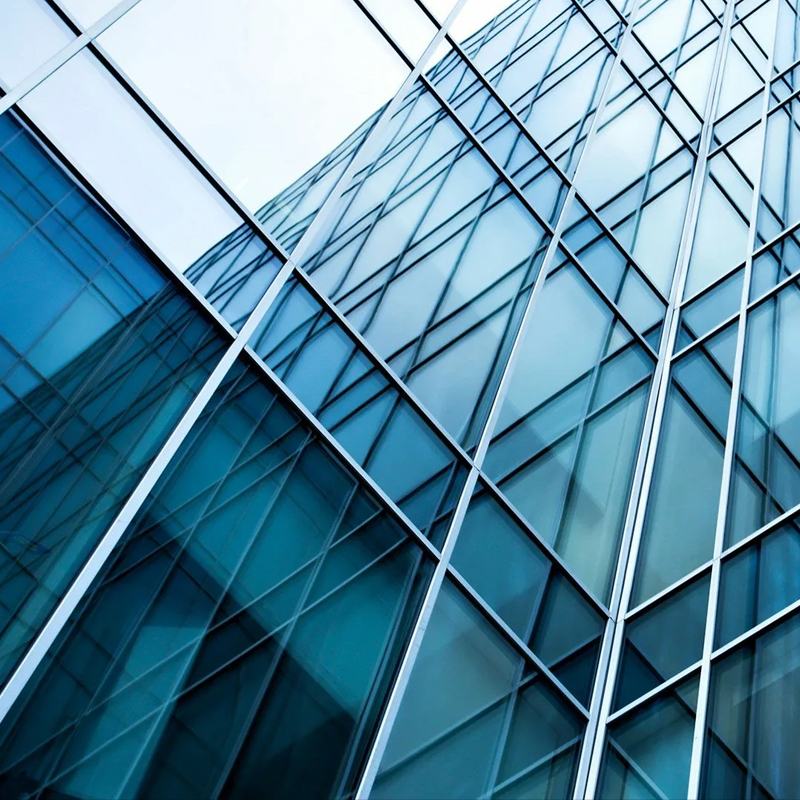
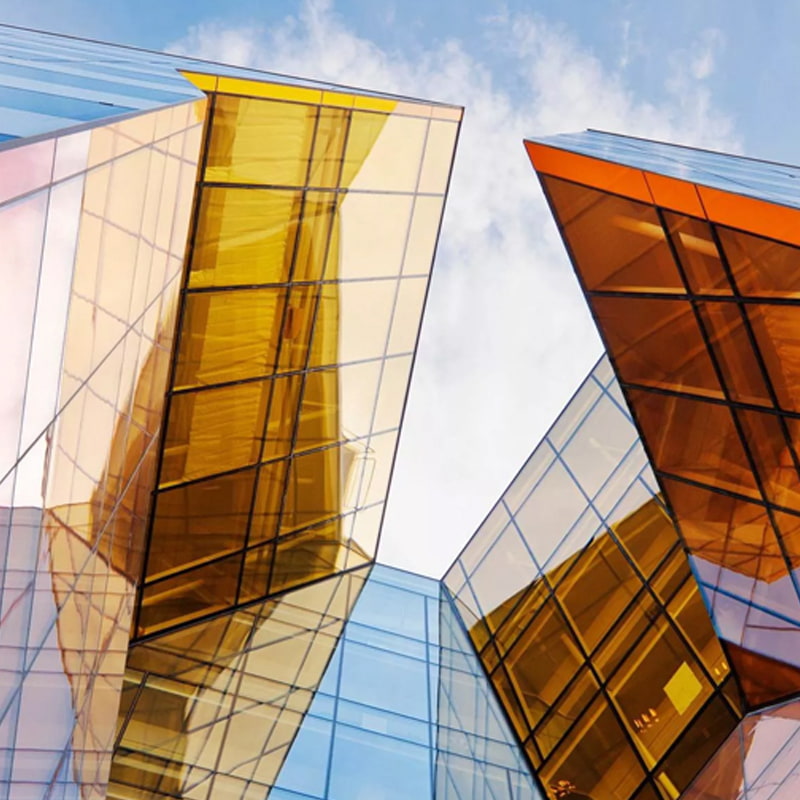
From office towers and residential complexes to public facilities, laminated glass made with PVB film enhances both the visual appeal of buildings and their energy efficiency.
Automotive Industry
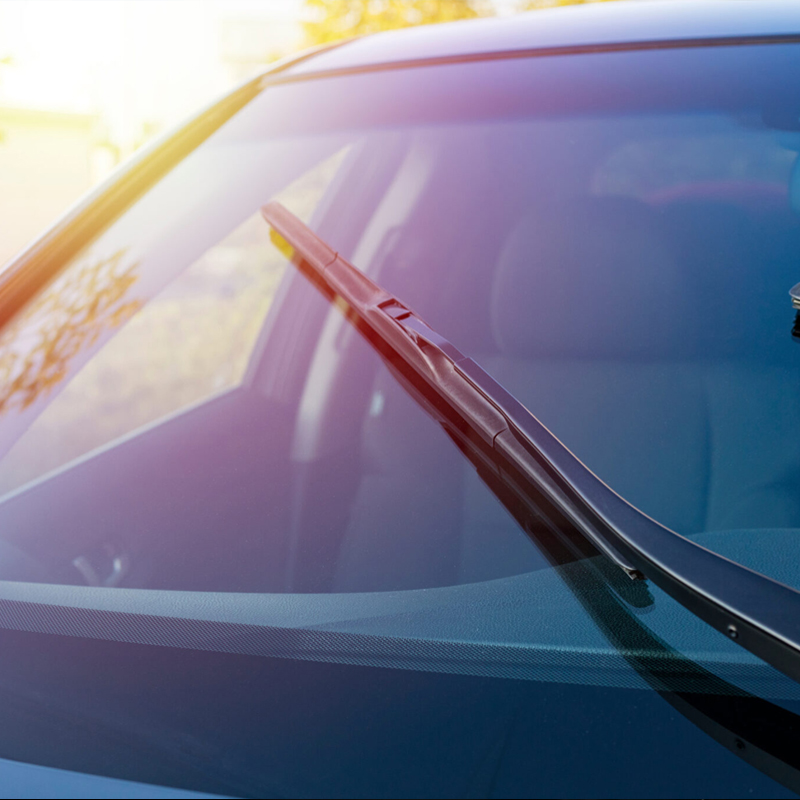
Nearly all mid-to-high-end vehicles use PVB laminated glass for their front windshields, improving driving safety while also cutting down on wind and road noise for a smoother ride.
Key Applications at a Glance
| Industry | Typical Use | Key Function |
|---|---|---|
| Construction | Curtain walls, windows, skylights | Safety, sound insulation, energy efficiency |
| Automotive | Windshields, sunroofs | Shatter resistance, noise reduction, insulation |
| Public Facilities | Stadium roofing, guardrails | Structural safety, UV resistance |
Environmental and Sustainability Value
As green manufacturing gains traction, the environmental credentials of PVB film are drawing more attention. Its production process is relatively clean, and laminated glass containing PVB can be recycled and reused through specialized channels, aligning well with the broader push toward a circular economy.
Where the Technology Is Headed
Looking ahead, upgrades to PVB interlayer film are likely to center on a few key areas:
- Higher transparency: further improving optical clarity and reducing visual distortion
- Greater toughness: enhancing impact resistance to widen its use in extreme conditions
- Smart integration: combining with electrochromic and sensor technologies to enable smart glass
Closing Thoughts
From skyscrapers to everyday vehicles, PVB interlayer film has become an indispensable functional material in modern life, prized for its safety, sound insulation, and environmental benefits. As the technology continues to advance, it stands to unlock even more value across new applications, quietly building a safer and more comfortable world around us.