language
 English
 русский
 Español
 عربى
عربى
 中文简体
中文简体
Content
Choosing the wrong interlayer film can lead to delamination, optical defects, and costly rework. Ethylene vinyl acetate (EVA) film has become a reliable choice for many laminated glass applications because it combines clear optics, strong adhesion, and a plasticizer-free structure. However, not all EVA films are the same, and the grade you select must match your lamination process, end-use environment, and quality expectations.
What Is Ethylene Vinyl Acetate (EVA) Film?
EVA film is a thermoplastic sheet made from ethylene and vinyl acetate copolymers. The vinyl acetate content usually ranges from 18 percent to 33 percent, and this ratio has a direct impact on flexibility, melting point, and optical behavior. In glass lamination, the film is placed between two glass panes and heated under vacuum or pressure to create a permanent bond.
One of the most practical differences between EVA and other interlayers is moisture handling. EVA film does not require the controlled humidity environment that PVB interlayers need, which makes it easier to process in decorative glass workshops and short production runs. Because the film is plasticizer-free, it also resists migration over time, helping to maintain edge stability and optical clarity in glass exposed to sunlight.
Key Properties That Affect Laminated Glass Performance
When you evaluate EVA film for a project, focus on the properties that affect both production yield and long-term durability.
Optical Clarity and Haze
Optical quality is usually described by haze and light transmission. High-grade EVA film has low haze, making it suitable for glass where the view must stay clear. Any contamination, moisture, or inconsistent thickness can increase haze, so the film's clean-room packaging and tolerance control matter as much as the raw material.
Adhesion and Edge Stability
Adhesion to glass determines how well the film holds the glass layers together after lamination. EVA film bonds well to glass as well as to many plastics and metals, which opens up mixed-material laminates. Good edge stability is equally important: if the bond weakens near the edge, moisture can enter and cause progressive delamination. A film with consistent melt flow and a stable formulation reduces this risk.
Weather Resistance and UV Durability
EVA films stabilized against ultraviolet light can withstand years of outdoor exposure without significant yellowing or loss of adhesion. The actual performance depends on the additive package used by the manufacturer. If you are supplying exterior architectural glass, ask for accelerated weathering data and check whether the film has been tested against standards your project requires.
Handling and Lamination Flexibility
EVA film is available in a range of thicknesses and roll widths. Thinner films give faster heating and better conformity in curved laminates, while thicker films can fill voids in patterned or textured glass. Precision glass grades typically hold thickness tolerances within plus or minus 0.02 to 0.03 millimeters, which reduces the chance of local optical distortion after lamination.
EVA Film Types at a Glance
EVA interlayers are generally grouped by the visual effect they produce. The table below summarizes common categories and typical uses.
| Film type | Typical characteristics | Typical applications |
|---|---|---|
| Standard transparent EVA | Clear, general-purpose, good adhesion | Interior partitions, safety glass, glass furniture |
| High-transparency EVA | Low haze, high light transmission | Showcases, display glass, railings |
| Color EVA | Consistent pigment, UV stable | Decorative panels, branded glass, feature walls |
| Jade sand EVA | Frosted or textured appearance | Privacy glass, bathroom partitions, diffused lighting |
Keep in mind that the same physical film can be produced in different widths and thicknesses, so the categories above are only a starting point for discussion with your supplier.
Common Applications in Glass and Construction
Architectural Laminated Glass
Safety glass in doors, partitions, and overhead glazing often uses EVA film because it retains glass fragments after breakage and provides impact resistance. For interior glass, EVA also offers good sound damping and UV filtering, which adds comfort in offices and homes.
Decorative and Privacy Glass
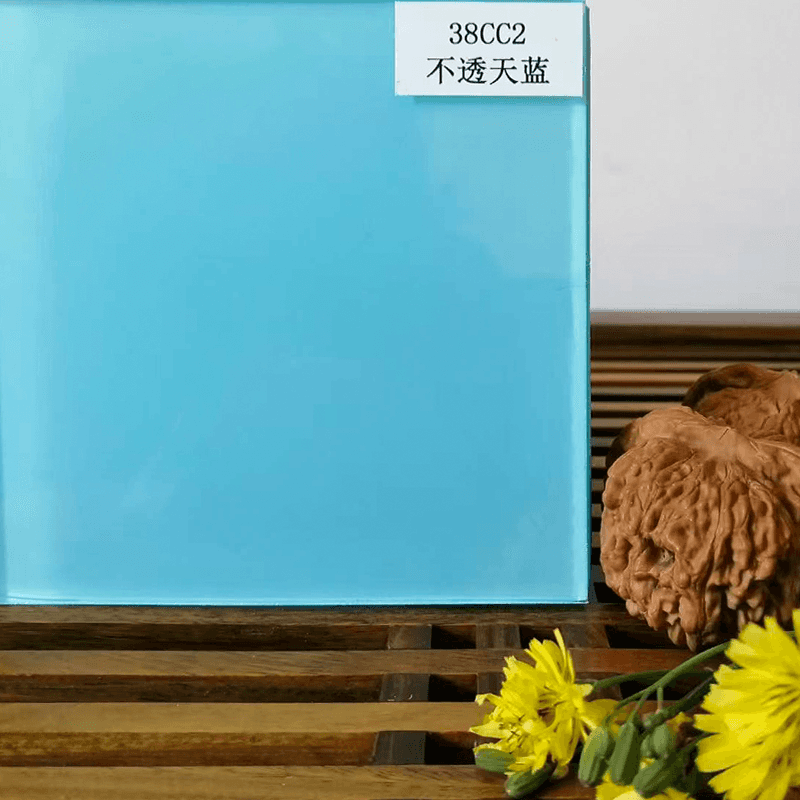
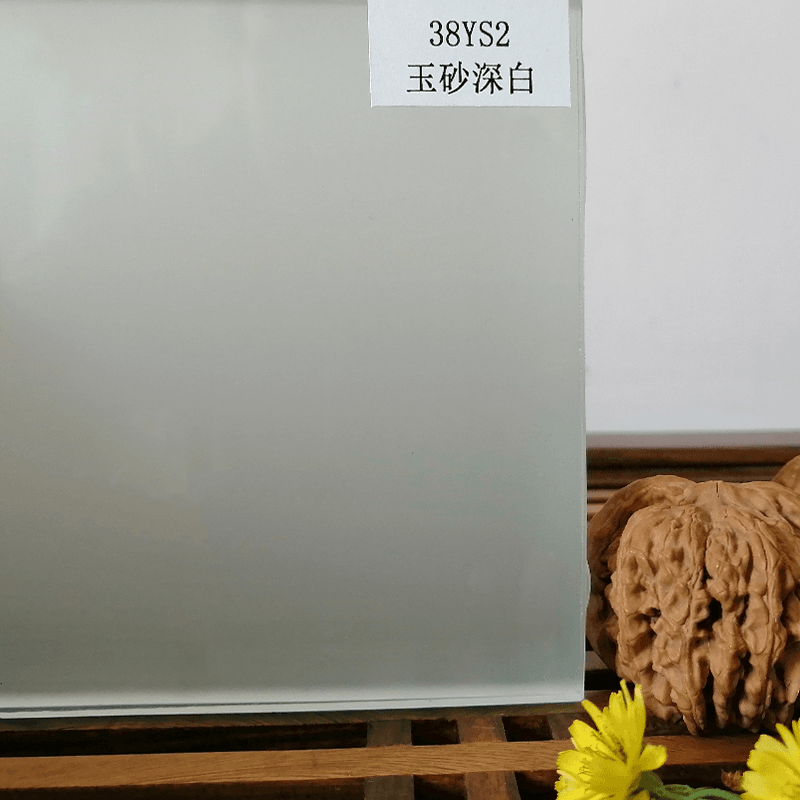
Decorative laminates are where EVA film really stands out. A colored or patterned interlayer can create a distinctive look without the need for additional coatings. For example, an EVA color film produces a consistent tint that stays stable over time, so it works well in branded glass panels and interior feature walls. If privacy is the main goal, an EVA jade sand film provides a frosted finish while still allowing diffused daylight to pass through.
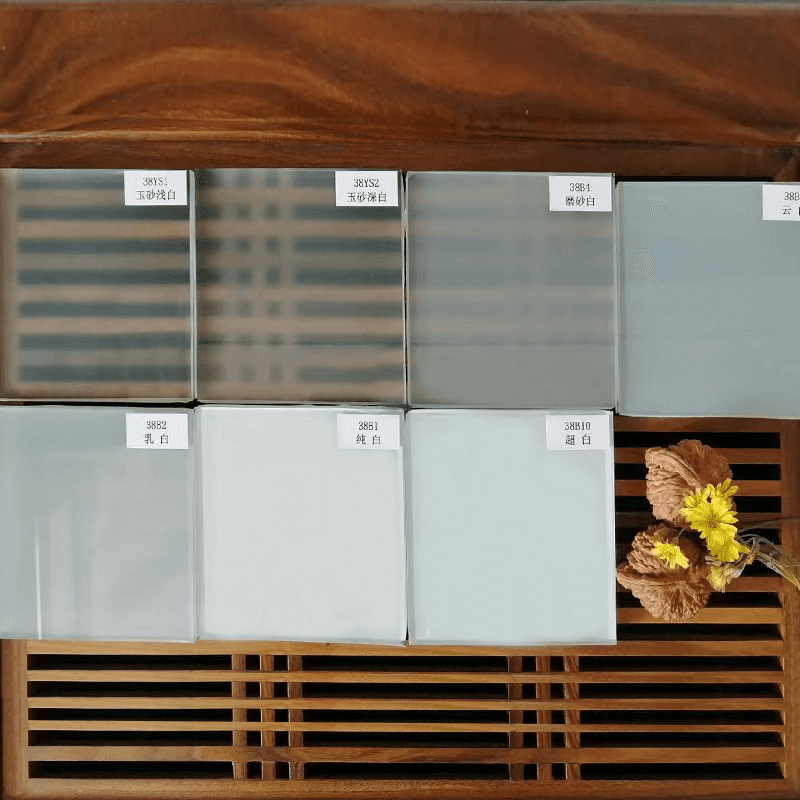 EVA Jade Sand Film Suppliers, Wholesale Company - Jiangsu Daruihengte Science & Daruihengte - EVA Jade Sand Film Suppliers and Wholesale EVA Jade Sand Film Company in China,EVA Jade Sand Film is a translucent laminate...View Product →
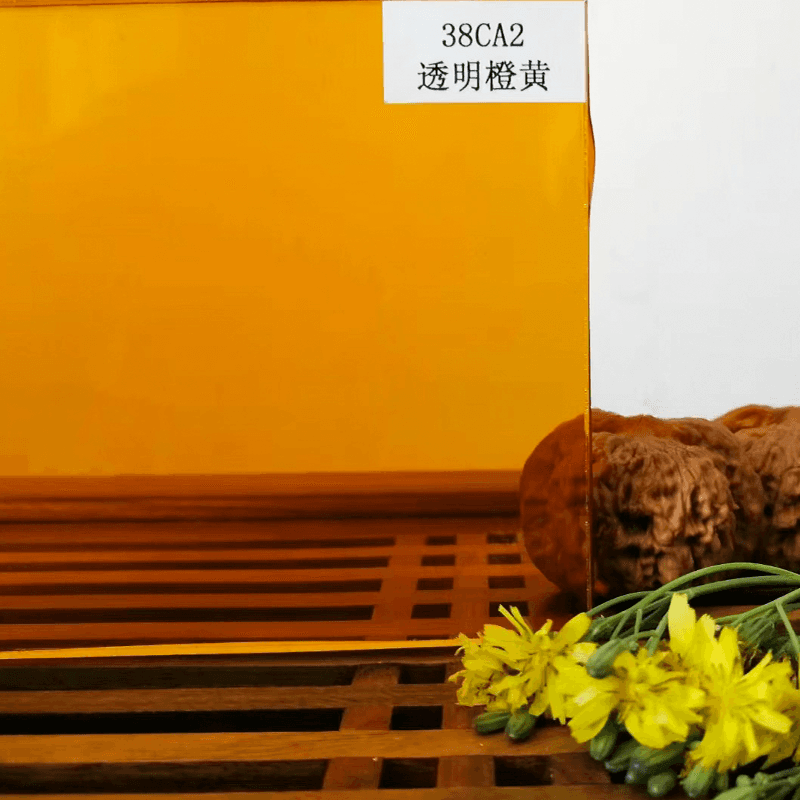 EVA Color Film Suppliers, Wholesale Company - Jiangsu Daruihengte Science & TechDaruihengte - EVA Color Film Suppliers and Wholesale EVA Color Film Company in China,EVA color film is widely used in the field of artist...View Product →
High-Transparency Projects
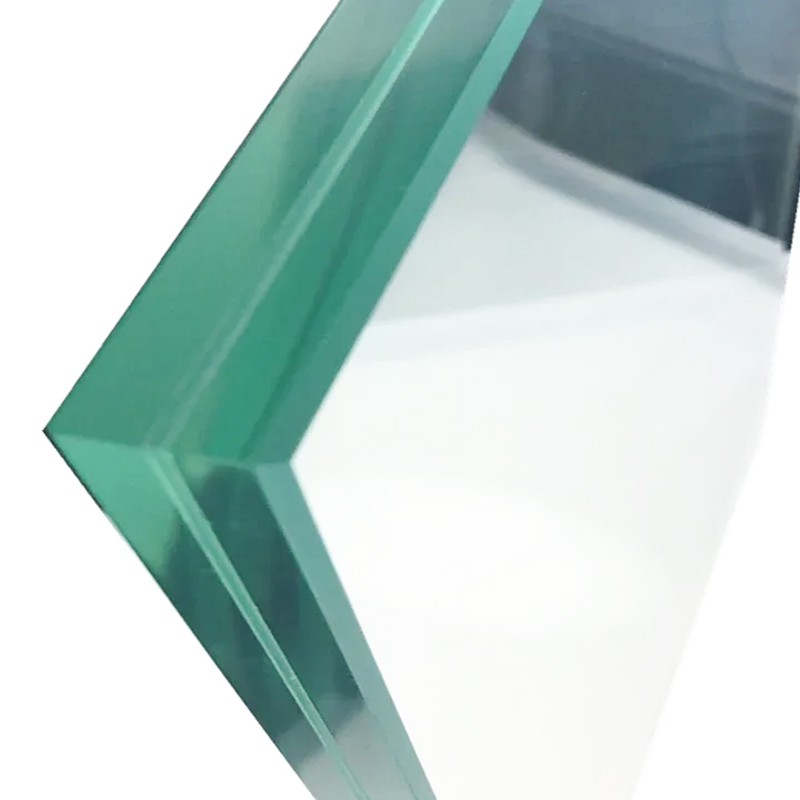
Some projects demand maximum light transmission and minimal color shift. A highly transparent EVA film is designed for those conditions, with low haze and excellent clarity. Showrooms, display cases, glass railings, and museum showcases are typical places where this grade makes a visible difference.
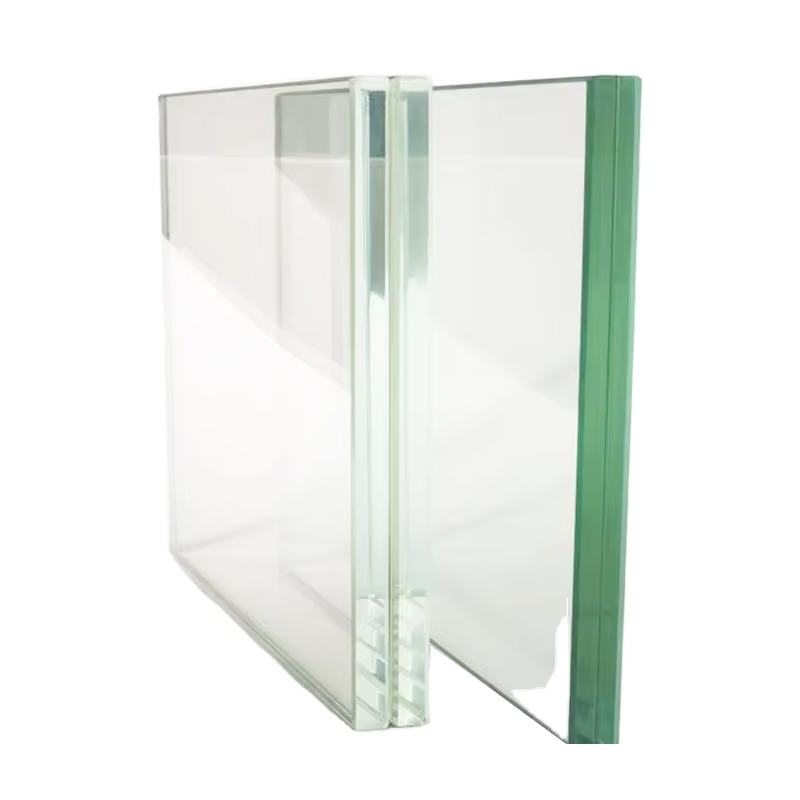 EVA Film High Transparency, High Transparent EVA Film SuppliersAs High Transparent EVA Film Suppliers and Company in China, Daruihengte offer Wholesale High Transparent EVA Film for laminated glass, E...View Product →
How to Choose the Right EVA Film
Start with the final glass assembly and its environment. Will the glass be exposed to direct sunlight, high humidity, or frequent thermal cycles? Does it need to meet a particular safety standard? These requirements narrow down the film grade before you ever place an order.
- Check the film thickness and tolerance in relation to your glass build-up.
- Ask for haze and light transmission data for transparent grades.
- Verify adhesion performance with your chosen glass surface, especially for coated or textured glass.
- Confirm storage conditions and shelf life; EVA film should be stored indoors, away from direct sunlight and heat.
- Request a trial lamination using your actual production parameters before committing to a large volume.
If you need more depth on specification and processing, see this selection guide for EVA film in glass lamination. It walks through the main parameters and common mistakes in more detail.
Sourcing and Supply Considerations
Reliable supply is about more than just price. A manufacturer with formal quality systems can provide consistent film properties, traceable batches, and support when a problem appears. ISO 9001 certification, for example, indicates a structured approach to process control, while ISO 14001 shows attention to environmental management.
When sourcing from overseas, check the supplier's ability to meet your required roll widths, packaging, and delivery schedule. A dedicated EVA film producer should also be able to offer OEM or custom dimensions if you have a non-standard application. Browsing a complete EVA film range is often the fastest way to see whether a supplier has the specific grade and format you need.
Ethylene vinyl acetate film is a practical, durable interlayer for modern laminated glass, especially when design flexibility and ease of processing are priorities. The key to success is matching the film grade to the glass application and verifying the supplier's quality evidence before production begins. By focusing on optical clarity, adhesion, weather resistance, and consistent supply, you can avoid the most common EVA film failures and deliver glass that performs as promised.