language
 English
 русский
 Español
 عربى
عربى
 中文简体
中文简体

Content
When Standard Glass Isn't Built for the Job
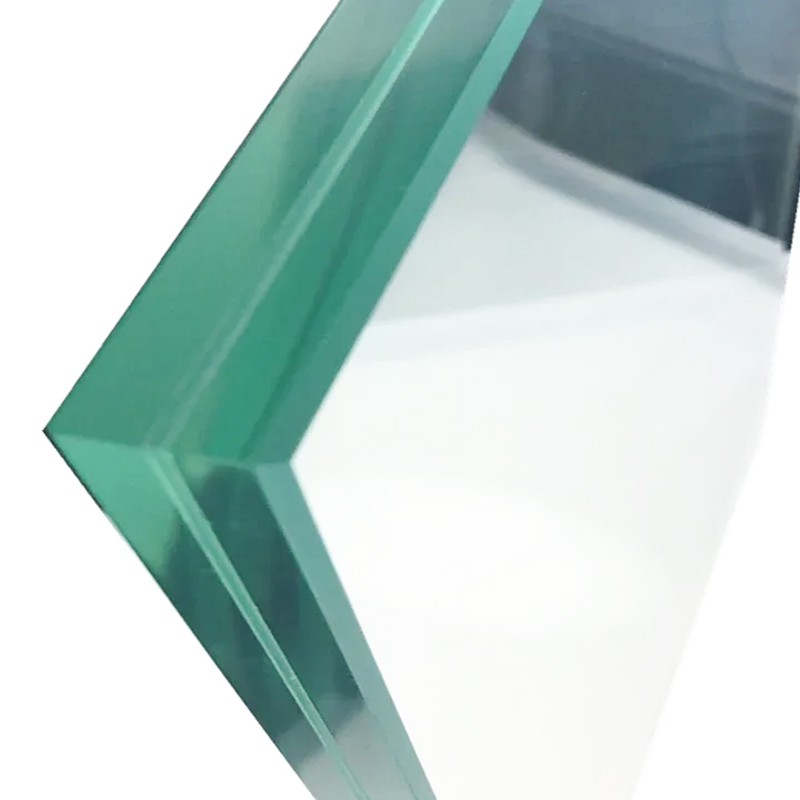
A curtain wall on a coastal high-rise, a guardhouse window meant to stop a thrown brick, an observation post on an exposed reef — none of these can rely on ordinary laminated glass. The interlayer sandwiched between the panes is what decides whether the glass holds together or gives way, and for jobs like these, engineers increasingly reach for SGP Film instead of conventional PVB.
It isn't a marginal upgrade. The performance gap between the two materials shows up clearly once you look at the numbers.
What Makes Ionic Interlayer Structurally Different
PVB is a plasticized resin — soft, flexible, and prone to softening further as temperatures rise. Ionic interlayer takes a different chemical path: it's a copolymer of ethylene and sodium methacrylate, neutralized with metal ions into a tightly bonded molecular network rather than a softened plastic sheet.
The practical result is a shear modulus roughly 50 times higher than PVB, with hardness around 100 times greater. That stiffness means a broken pane stays rigid and load-bearing instead of sagging, which is exactly the behavior you want in glass that has to keep doing its job after it's been hit.
The Spec Sheet, Not the Sales Pitch
Numbers settle arguments faster than adjectives. Here's what current production-grade SGP film measures out to:
| Property | Result |
|---|---|
| Light transmittance | ≥ 90% |
| Haze | < 0.5% |
| Tensile strength | ≥ 35 MPa |
| Elongation at break | ≥ 280% |
| UV blocking | 99.9% |
| Moisture content | ≤ 0.2% |
| Yellowing index | < 1 |
Thickness is available at 0.76 mm, 1.14 mm, and 1.52 mm, with widths from 500 to 3,600 mm — wide enough for oversized architectural panels without seams. The near-zero moisture content also explains why ionic interlayer doesn't suffer the edge-clouding that plagues PVB in humid or coastal climates over time.
Where This Actually Pays Off
Strength on a spec sheet only matters if it matches the environment. Ionic interlayer tends to get specified where failure isn't an option: hurricane and high-wind zones, where wind-driven debris repeatedly tests the glass after the first impact; security and blast-resistant barriers, where retained structural integrity post-breakage is the entire point; and exposed marine or reef-based installations, where heat, salt, and constant UV would degrade a softer interlayer within a few seasons.
It also shows up in less obvious places — frameless balustrades, large structural skylights, and unmanned sentry enclosures — anywhere a thinner pane needs to carry more load, or a damaged pane needs to keep doing its job until someone can replace it.
What to Check Before You Order
Not every "SGP" sample on the market meets the same bar. Before specifying, confirm three things: tensile strength and elongation figures from an actual test report rather than a brochure, consistent width and thickness tolerances if you're laminating oversized panels, and a moisture content low enough to prevent delamination in your specific climate.
If your project sits in a hurricane corridor, a coastal zone, or anywhere safety glass needs to outlast the building around it, it's worth comparing suppliers of SGP interlayer Film on these exact figures rather than on price alone. The interlayer is a small fraction of a glazing project's cost — and the part most likely to determine whether the rest of it survives.