language
 English
 русский
 Español
 عربى
عربى
 中文简体
中文简体

Content
A curtain wall panel that looked flawless at handover develops a milky band of bubbles along its bottom edge within two years. A windshield shows a soft haze creeping inward from the perimeter. Both are the same failure: laminated glass delamination, the reduction or complete loss of the adhesive bond between the glass panes and the interlayer. The practical conclusion is that delamination is rarely random. Field failures almost always trace back to three controllable factors: moisture reaching the glass edge, faults in the lamination process, and the quality or condition of the interlayer itself. Understanding how these interact is the most reliable way to specify laminated glass that stays clear and intact for its full design life.
What Laminated Glass Delamination Actually Is
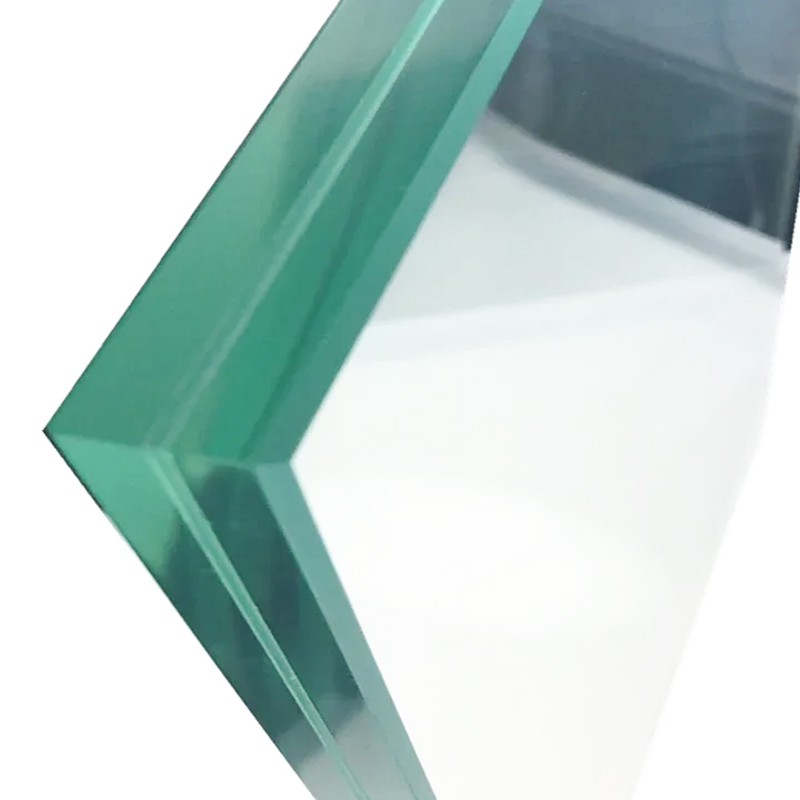
A laminated unit is a composite: two or more glass plies bonded by an interlayer, typically PVB, EVA or an ionoplast (SGP). Delamination is the partial or total breakdown of that bond. Once adhesion drops, air and moisture fill the gap, light scatters at the glass-to-air interfaces, and the affected zone turns hazy, cloudy or bubbly.
Two patterns dominate in practice:
- Edge delamination - the most common form. It starts where the cut edge exposes raw interlayer to the environment and progresses inward as a band of bubbles or haze. Service documents often call this edge or interlayer staining.
- Interior (full-surface) delamination - bubbles or cloudiness appearing away from the edge. This usually points to a processing defect at the factory, such as trapped moisture or inadequate de-airing, rather than in-service water ingress.
Location is diagnostic. Bubbles within millimeters of the edge after years outdoors point to water; bubbles scattered mid-panel shortly after production point to the pre-press or autoclave stage.
The Root Causes of Delamination
Moisture is the single biggest driver. When water sits against a cut edge, through failed sealant joints, blocked weep holes, standing water in the glazing channel or exposed edges on open-joint facades, it slowly hydrolyzes the bond between interlayer and glass. The process is gradual: months or years of invisible weakening before visible haze appears.
Process and material factors set the starting adhesion level. If the bond leaves the factory below standard, even modest edge exposure becomes enough to trigger failure. The main contributors are summarized below.
| Cause | Mechanism | Typical Signature |
|---|---|---|
| Moisture ingress at edges | Water hydrolyzes the glass-interlayer bond | Haze band growing inward from the edge years after installation |
| Wet or expired interlayer | PVB absorbs ambient moisture during storage | Bubbles or cloudiness across the panel soon after lamination |
| Poor de-airing or bonding profile | Air and moisture trapped between plies | Scattered bubbles away from edges |
| Dirty or damaged glass surface | Contaminants block adhesion locally | Localized unbonded spots |
| Incompatible sealants or edge chipping | Chemicals or micro-damage attack the edge bond | Delamination starting at processed or drilled edges |
| UV and thermal cycling | Aging degrades the interlayer and stresses the bond | Slow edge regression on sun-exposed glazing |
Why Delamination Is More Than a Cosmetic Problem
The visible cost comes first: a hazy edge band on a storefront or facade is immediately noticeable and usually unacceptable to building owners. The functional losses matter more.
- Lost post-breakage retention. The interlayer's core job is holding glass fragments together after impact. Delaminated zones no longer transfer that load, so a cracked pane can shed pieces it would otherwise contain.
- Reduced structural and blast performance. Security-agency testing has shown that delamination substantially degrades how laminated panes absorb blast loads, because the plies stop acting as a single composite.
- Lost functional ratings. Where the interlayer also provides sound damping, UV filtering or heat insulation, unbonded areas compromise those ratings and can void certification.
- Escalating replacement cost. A stable hairline in a protected, well-drained frame may be tolerated; a progressive failure in overhead or structural glazing means full unit replacement, access equipment and schedule disruption.
Prevention Starts on the Lamination Line
Most delamination risk is locked in before the glass ever reaches a building. Disciplined producers control four variables:
- Interlayer storage. PVB is hygroscopic: it absorbs moisture from the air, and over-wet film produces bubbles and weak bonds. Film must stay in sealed, climate-controlled packaging within its specified temperature and humidity windows until loading.
- Glass preparation. Surfaces must be washed, rinsed, dried and assembled promptly so no condensation forms between plies. Edge quality matters too, since chips and rough cuts become moisture entry points.
- De-airing and bonding. Controlled rolling or vacuum bagging removes air, then the correct temperature and pressure profile in the autoclave, or a properly programmed vacuum process for EVA, fuses a full, uniform bond.
- Clean assembly. Dust, fingerprints or washer residue between plies create permanent unbonded spots that later read as delamination.
For buyers, the practical safeguard is to ask suppliers how film is stored, how the de-airing stage is controlled, and what adhesion checks run per batch. This guide to handling, storing and processing PVB interlayer film details the production-side practices that keep the bond at specification.
Choosing an Interlayer That Resists Delamination
Interlayer chemistry changes the moisture story. Each mainstream family has a distinct adhesion and durability profile, and the right choice depends on where the glass will serve. For a broader view of how these materials map to end uses, see the interlayer film application overview.
PVB: the standard for safety glazing
Architectural PVB delivers proven impact performance and strong adhesion when processed correctly, and remains the default for facades, windows and curtain walls. Its known sensitivity to moisture is precisely why storage and process discipline, rather than the film itself, determine long-term outcomes.
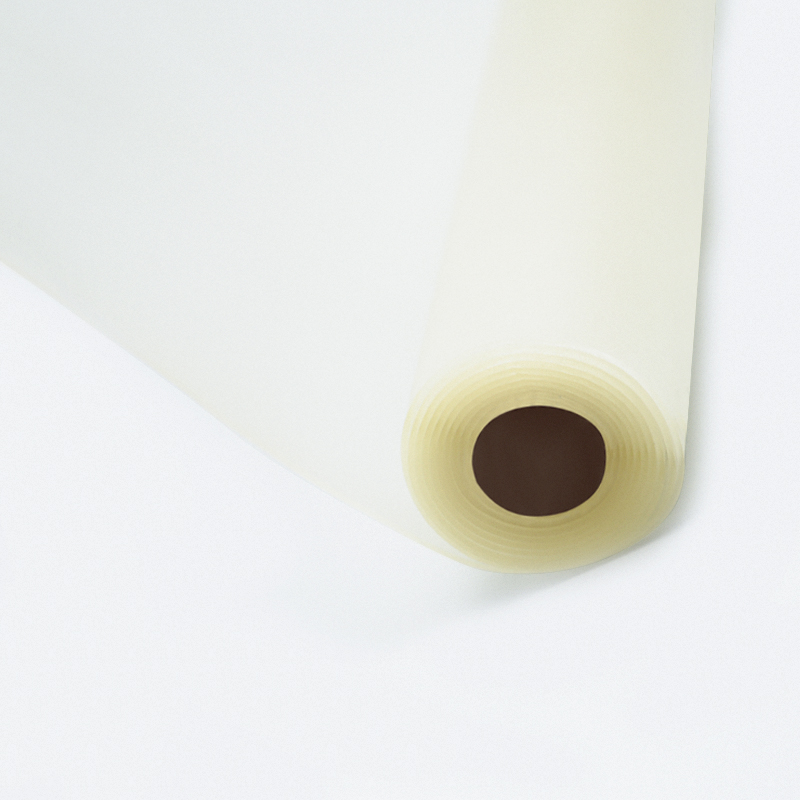 Architectural PVB Interlayer FilmA transparent PVB film for laminated safety glass with strong adhesion and impact performance, suited to facades, curtain walls and windows where proven moisture-handling discipline during processing matters.View Product →
EVA: lower moisture sensitivity, processing tolerance
EVA crosslinks chemically during lamination and cures in vacuum bags at lower temperatures, which makes it forgiving in decorative and outdoor-exposed laminates where edge sealing is less certain. High-clarity grades keep optical quality close to the glass itself.
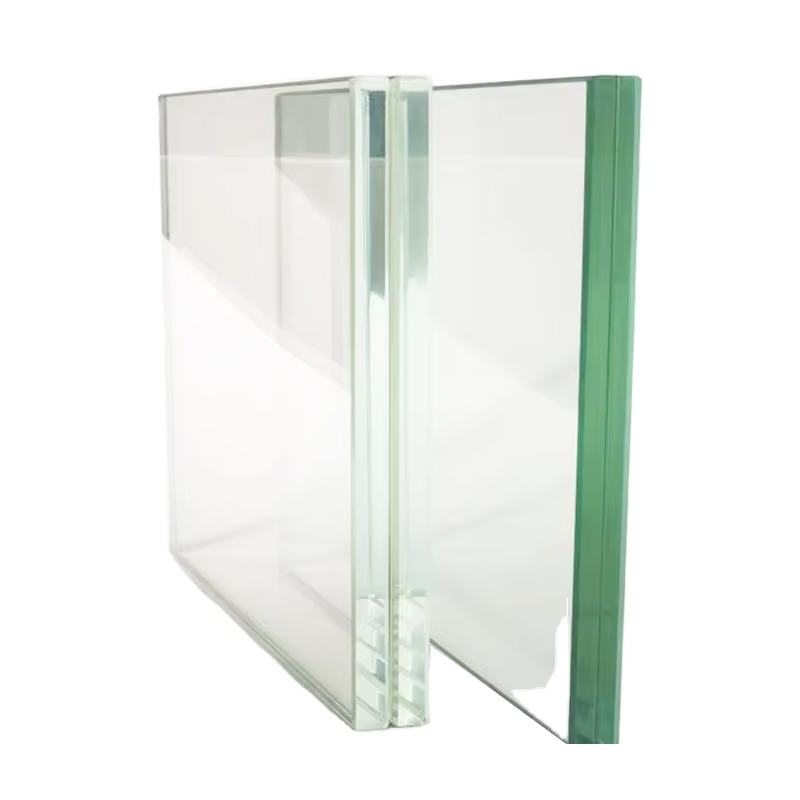 Highly Transparent EVA Interlayer FilmHigh-clarity EVA film in 0.38–1.14mm thicknesses that cures at lower temperatures, offering strong bonding for decorative, gradient and outdoor-exposed laminates where edge sealing may be less certain.View Product →
SGP: maximum bond strength for demanding exposure
Ionomer interlayers offer the stiffest composite action and the strongest glass retention after breakage, with good edge stability in humid or fully exposed structural glazing. Where the consequences of failure are highest, SGP is the conservative specification.
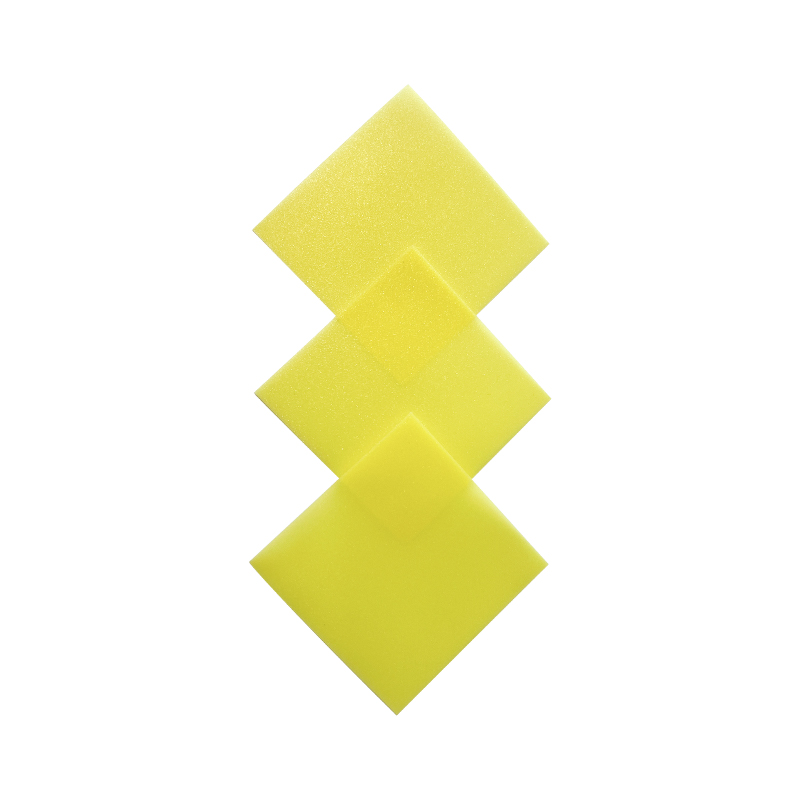 SGP Ionomer Interlayer FilmIonic interlayer with far higher shear modulus and hardness than PVB, delivering stiff composite action and strong post-breakage glass retention for structural glazing in harsh or fully exposed environments.View Product →
Detecting Delamination Early and Deciding What to Do
Delamination announces itself gradually, which gives inspectors a working window. At handover and during annual inspections, walk the perimeter of every accessible panel and check for haze, small bubbles or cloudiness within roughly 10 millimeters of the edge. Photograph any finding with a scale reference so progression can be measured objectively at the next visit.
Severity then drives the response:
- Stable, hairline edge haze in a well-drained frame, away from safety-critical functions, can often be monitored with photographic records.
- Progressive band growth, bubbles beyond the edge zone, or any delamination in overhead, structural or security glazing warrants replacing the unit. Re-sealing an edge only slows moisture entry; it cannot restore adhesion that is already lost.
- Delamination appearing within months of production is a manufacturing defect. Document it thoroughly for warranty discussions, including batch and processing records.
The economics favor prevention decisively. The difference in cost between a controlled interlayer supply chain and one replaced facade section typically runs to orders of magnitude.
Laminated glass delamination is a bond failure, and bond failures have causes that can be engineered out. Keep moisture away from edges through sound glazing details, insist on documented storage and process discipline from the lamination plant, and match interlayer chemistry, whether PVB, EVA or SGP, to the exposure the panel will actually face. Do those three things, and the hazy edge that starts so many complaints simply never forms.