language
 English
 русский
 Español
 عربى
عربى
 中文简体
中文简体

Content
- 1 What Is PVB Interlayer Film?
- 2 Why PVB Dominates Laminated Glass Safety Performance
- 3 Acoustic, UV and Energy Performance
- 4 PVB vs EVA vs SGP: Choosing the Right Interlayer
- 5 Industry Standards That Define Safety Glazing
- 6 Applications Across Architecture, Automotive and Beyond
- 7 How to Choose the Right PVB Film for Your Project
What Is PVB Interlayer Film?
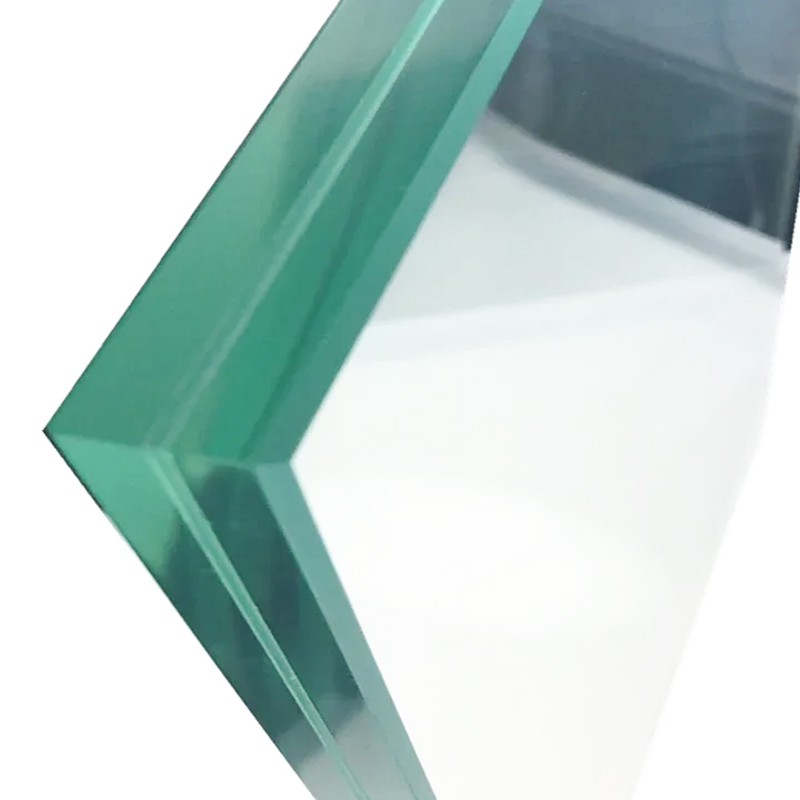
Sandwich a thin, slightly tacky plastic sheet between two panes of glass, run it through heat and pressure, and the result no longer behaves like ordinary glass. It bends where it should break, and when it finally does crack, the pieces stay put. That plastic sheet is PVB interlayer film — polyvinyl butyral resin plasticized and extruded into a semi-transparent membrane a fraction of a millimeter thick.
On its own, the film looks unremarkable: a soft, faintly rough sheet with no visible flaws. Its value shows up under load. PVB bonds tightly to inorganic glass, tolerates wide temperature swings, resists moisture, and holds up mechanically far better than the resin it started as. That combination is why it remains the dominant choice for manufacturing laminated and safety glass worldwide.
Laminated glass itself is simple in concept: one layer of PVB sound insulation interlayer film or standard PVB pressed between two glass sheets, then fused under an autoclave's heat and pressure. What comes out is a single, structurally bonded unit that looks like ordinary glass but performs nothing like it.
Why PVB Dominates Laminated Glass Safety Performance
Drop a hammer on annealed glass and it scatters into blades. Drop the same hammer on PVB laminated glass and something different happens: the glass cracks into a fine, spiderweb-like pattern, but the fragments stay bonded to the film instead of falling free. That's the interlayer absorbing the impact energy rather than letting it pass straight through the pane.
This single property drives three separate benefits that architects and fabricators care about:
- Impact safety — the film resists penetration, so an intruder, a stray ball, or a person falling against the glass is far less likely to go through it.
- Forced-entry resistance — an intruder can crack the outer glass but can't easily clear an opening, since the pane holds together as a unit. This lets buildings reduce or eliminate window bars without giving up security.
- Post-breakage structural integrity — under normal loads, laminated glass performs almost identically to a single pane of the same thickness. The difference appears only after breakage, when most other glass types lose all load-bearing capacity instantly.
Because the broken pane keeps functioning until it's replaced, PVB laminated glass is routinely specified for overhead glazing, balustrades, and any application where a delayed repair shouldn't mean an unsafe opening.
Acoustic, UV and Energy Performance
Beyond impact safety, PVB's polymer structure does something less visible but equally valuable: it damps vibration. Sound waves lose energy as they pass through the interlayer, which is why buildings near airports, rail lines, or busy intersections see a measurable drop in interior noise once standard glazing is swapped for PVB sound insulation interlayer film.
PVB also filters light selectively. Standard PVB interlayer blocks more than 99% of incoming ultraviolet radiation, which slows the fading and degradation of interior furnishings, textiles, artwork, and merchandise sitting behind the glass — a detail that matters as much for retail storefronts as for museums.
Solar performance follows the same logic. A darker, lower-transmittance PVB heat insulation film blocks more solar heat at the same thickness than a clear film, which directly reduces cooling load in glass-heavy buildings and vehicles. For projects where energy performance is a design driver, this is usually the first variable worth adjusting.
PVB vs EVA vs SGP: Choosing the Right Interlayer
PVB isn't the only interlayer on the market, and it isn't always the right one. EVA (ethylene-vinyl acetate) and SGP (an ionoplast, often called ionomer interlayer) both compete for specific niches, and understanding where each one wins keeps a project from being over- or under-specified.
| Property | PVB | EVA | SGP |
|---|---|---|---|
| Processing temperature | Higher, tighter humidity control needed | Lower melting point, easier processing | Higher, more rigid handling |
| UV / yellowing resistance | Moderate | Weaker, prone to yellowing outdoors | Strong, minimal yellowing over time |
| Structural rigidity | Standard | Lower | Roughly double the load-bearing capacity of PVB at equal thickness |
| Best fit | General safety, acoustic and UV-blocking glazing | Decorative and interior lamination | High-load structural, blast- and bullet-resistant glazing |
In practice, PVB remains the default for most architectural and automotive glazing because it balances cost, processing familiarity, and performance across safety, sound, and UV requirements at once. For a closer breakdown of where EVA fits, the comparison in how PVB interlayer film compares to EVA interlayer film is worth reviewing before committing to either. For projects that need SGP's added rigidity, the analysis of where SGP outperforms PVB in specific applications lays out the trade-offs.
Industry Standards That Define Safety Glazing
Performance claims mean little without a testing framework behind them. In the United States, safety glazing used in architectural products — doors, shower enclosures, sliding glass doors, and similar applications — falls under the Consumer Product Safety Commission's regulation at 16 CFR Part 1201. Since 2016, the CPSC has aligned its test procedures with ANSI Z97.1, the industry consensus standard covering impact resistance, fragmentation behavior, and weathering performance for safety glazing materials.
The ANSI test methods evaluate glazing through impact, center-punch fragmentation, thermal cycling, and aging tests rather than a single pass/fail impact check. For buyers and specifiers, this matters practically: a PVB laminated glass product that references compliance with these standards has been through a defined, repeatable test regime — not just a manufacturer's internal claim.
Applications Across Architecture, Automotive and Beyond
PVB's combination of safety, acoustic, and solar performance explains why it shows up in such a wide range of industries rather than staying confined to one.
- Architecture — curtain walls, overhead glazing, balustrades, and storefronts use architectural-grade PVB interlayer film where fall protection and post-breakage integrity are non-negotiable.
- Automotive — windshields and, increasingly, side and rear glass rely on automotive PVB film engineered for windshields and side glass to meet occupant-retention requirements during a crash.
- Photovoltaic modules — PVB encapsulates and protects thin-film solar circuits from moisture and mechanical stress, a use case explored in more depth in PVB film's expanding role in photovoltaic module encapsulation.
- Aerospace and defense — specialized PVB formulations appear in aircraft glazing and military instrumentation, where weight, optical clarity, and impact resistance all have to hold up simultaneously.
The common thread across every one of these applications isn't the industry — it's the same underlying requirement: a transparent material that keeps working after it's been damaged.
How to Choose the Right PVB Film for Your Project
Once PVB has been chosen over EVA or SGP, the next decision is which variant fits the project. Three questions narrow it down quickly.
What's the primary risk you're designing against? If it's forced entry or fall protection, standard clear PVB at typical architectural thickness covers most code requirements. If exterior noise is the driver — traffic, rail, aircraft — PVB sound insulation interlayer film is purpose-built for that job and outperforms standard film at equal thickness.
Does solar heat gain matter for this building or vehicle? If cooling load or glare is a concern, a PVB heat insulation film reduces transmitted heat without sacrificing the clarity or safety performance of standard PVB.
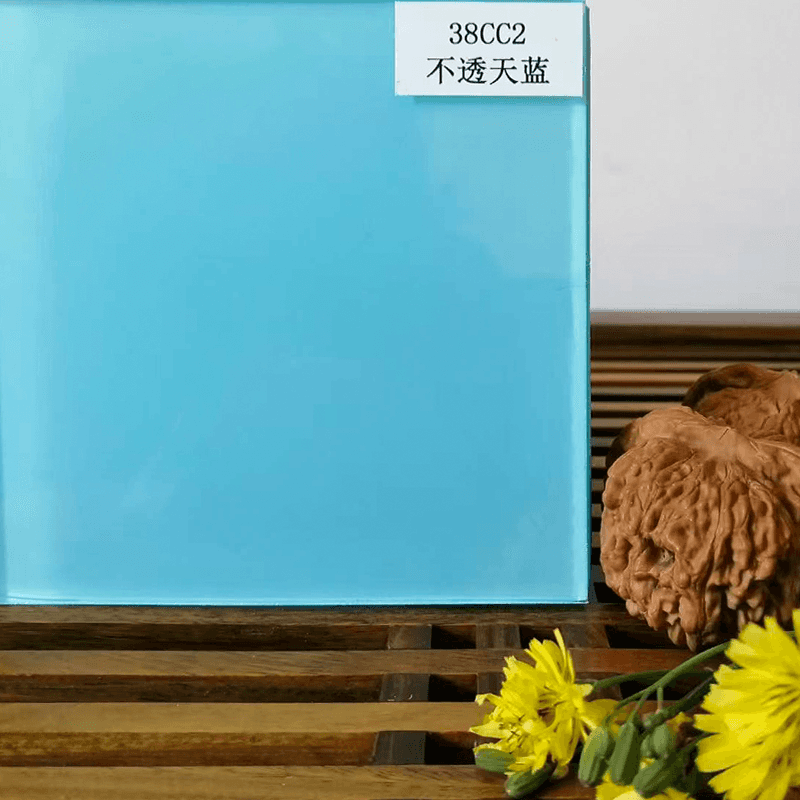
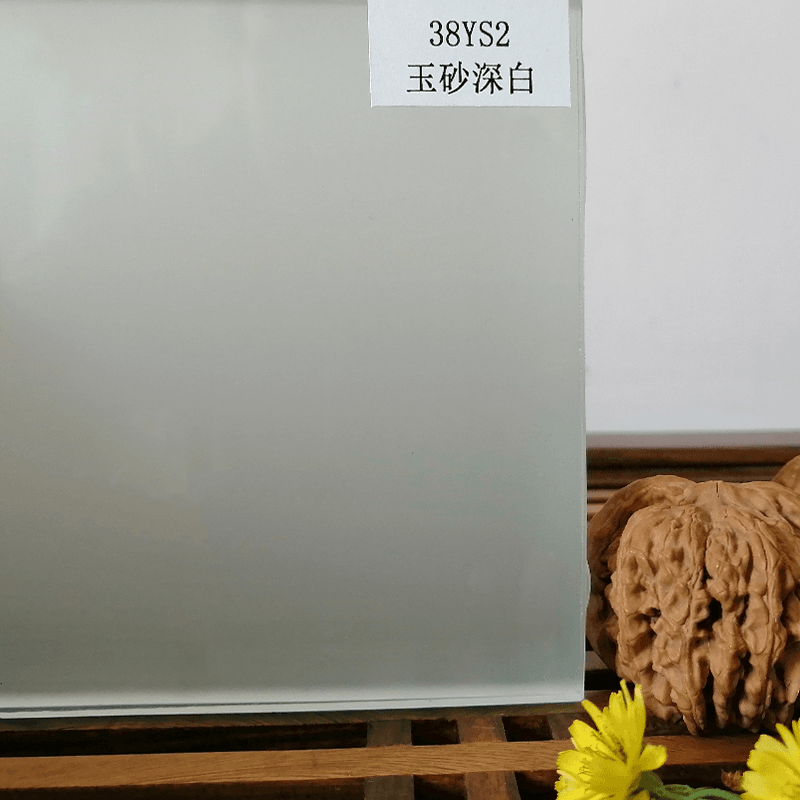
Is appearance part of the specification? Where design intent calls for tinted, frosted, or decorative glazing rather than fully clear glass, colored PVB interlayer film delivers the same safety and structural performance in a range of finishes, so aesthetics don't have to come at the expense of protection.
Most real-world specifications combine more than one of these needs at once — a storefront that wants both acoustic control and UV protection, for instance. In those cases, it's worth discussing the full load, acoustic, and thermal requirements with the film manufacturer before finalizing thickness and type, since small formulation differences can meaningfully change how the finished laminate performs.