language
 English
 русский
 Español
 عربى
عربى
 中文简体
中文简体

Content
- 1 What Gradient Window Tint Actually Means
- 2 Applied Film Versus Laminated Interlayer
- 3 The Specifications That Decide Whether the Gradient Looks Intentional
- 4 Heat, Glare, and UV: What a Gradient Can and Cannot Do
- 5 Automotive and Architectural Gradients Are Not the Same Job
- 6 Specifying a Gradient: A Practical Sequence
- 7 Frequently Asked Questions
Gradient window tint is a shading profile rather than a single product. Its optical density changes across the pane instead of holding one value, so the top of a windshield or an office screen can sit at 15 percent visible light transmission while the bottom of the same pane stays near 70 percent.
15-80%Practical VLT span across one gradient pane, darkest edge to lightest.
99%UV rejection reachable by applied film and by laminated interlayers.
5-10 yrsTypical service life of applied gradient film before fading or lift.
The most common complaint about gradient tint is not heat or fading. It is alignment: a fade line that steps up and down across a row of windows because each pane was positioned by eye.
This guide covers what gradient tint is, the two routes that produce it, and the numbers that make a fade look deliberate.
What Gradient Window Tint Actually Means
A gradient window tint is a shading layer whose visible light transmission changes continuously across the glass rather than holding one value from edge to edge.
Definition: gradient tint is graded optical density. Two numbers define it, the darkest and lightest VLT values, plus a direction and the zone where the transition begins and ends.
A uniform 35 percent tint gives the same shade on every part of the pane. A gradient can open at 15 percent along the top edge, pass through 40 percent at mid-height, and finish at 72 percent at the sill. Most profiles are linear, but curved profiles exist for storefronts where the fade accelerates near the base so people seated at a desk keep a clear view.
The pattern matters as much as the values. Four profiles cover most projects:
- Top-down fade. Densest at the head of the pane, clearing toward the sill. Standard for rear glass, screens, and reception partitions.
- Bottom-up band. Dark at the base, used where desk-height privacy matters and daylight arrives from above.
- Diagonal sweep. Runs across the pane, common in shopfront graphics and decorative glazing.
- Frosted to clear. A translucent pattern dissolving into clear glass, giving graded privacy without losing daylight.
Suppliers sometimes quote ratios such as 100/0 or 80/20. Those describe how much of the panel is frosted or darkened against how much stays clear. They are not light transmission figures, so ask for VLT values at both ends of the fade.
Applied Film Versus Laminated Interlayer
Gradient tint reaches glass by one of two routes: a film applied to finished glass, or a colored interlayer built into laminated glass while the unit is produced.
Applied window film
- Retrofits existing glazing without remaking the unit
- Lowest cost per square meter on small jobs
- Removable, though adhesive can remain on coated glass
- Edge lift and silvering appear after five to eight years
- Printed gradients can look stepped at zone seams
Laminated interlayer
- Fade is engineered into the layer, then bonded under heat and pressure
- No exposed adhesive, so no peel path for moisture
- Color, opacity, and heat chemistry share one layer
- Glass must be made to order, which suits new build and OEM runs
- Carries UV, acoustic, or impact performance at the same time
Dye-based films fade and drift toward purple because the color sits on the surface and takes the full UV load. An interlayer holds its shade because the pigment is sealed inside the laminate, behind glass.
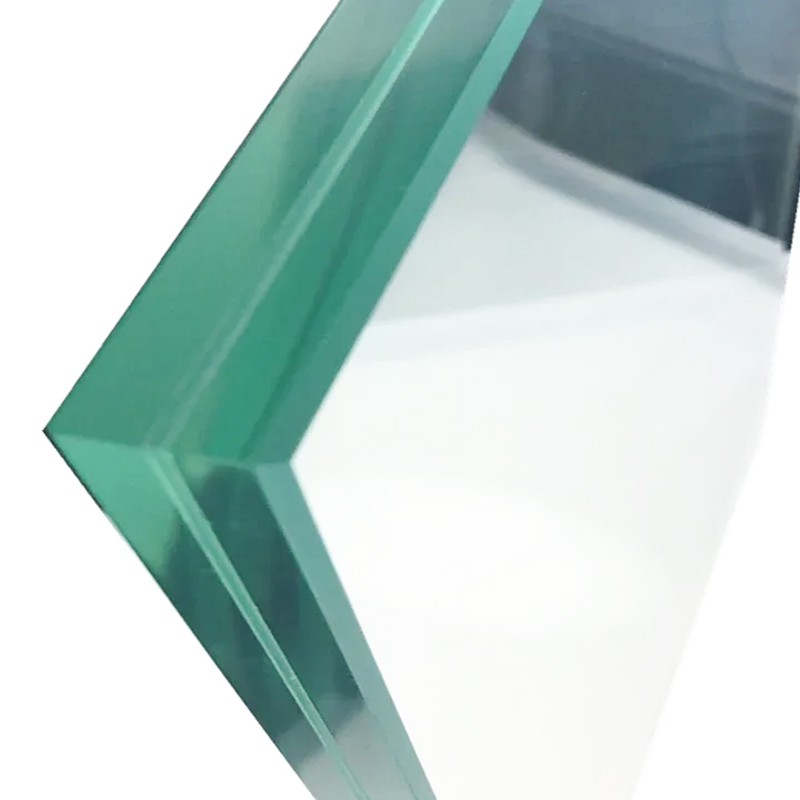
A colored PVB interlayer rolls directly into the laminate stack, so the fade, the safety bond, and the UV block all come from one material instead of three separate processes.
 Colored PVB Interlayer FilmProduct Features A combination of multiple basic colors can create a variety of colors. The automatic color matching system accurately assists various colors to meet y...View Product →
The Specifications That Decide Whether the Gradient Looks Intentional
Five numbers control the outcome: VLT at each end of the fade, UV rejection, total solar energy rejected, haze, and the thickness of the film or interlayer.
| Parameter | Typical range | Why it matters in a gradient |
| VLT, darkest zone | 5-20% | Sets how strongly the fade reads against a bright interior |
| VLT, lightest zone | 60-80% | Keeps daylight and outward vision usable |
| UV rejection | 98-99% | Protects upholstery, flooring, and displays from fading |
| Solar energy rejected | 30-60% | Higher values need IR-absorbing or reflective chemistry, not dye alone |
| Haze | Under 1% | Above roughly 2% the fade looks milky rather than clean |
| Film or interlayer build | 25-100 micron film, 0.38-1.52 mm interlayer | Thicker builds hold the transition line crisper |
Measure twice per pane, at least 150 mm in from each edge and away from sealant. A single center reading usually lands inside the transition and hides the true gradient.
Heat, Glare, and UV: What a Gradient Can and Cannot Do
A gradient tint reduces glare and solar gain where light actually enters the glass, but it does not turn an ordinary pane into a high-performance solar control unit.
Glare from a low sun or an oncoming headlight arrives at the upper third of a windshield or screen, which is exactly where a top-dark gradient is densest. That is why a 15 percent band across the top can feel calmer than a uniform 50 percent layer over the whole pane, even though the uniform layer blocks more total light.
Two separate decisions: the format sets where the shading falls, the chemistry sets how much heat the glass rejects. Gradient is a format.
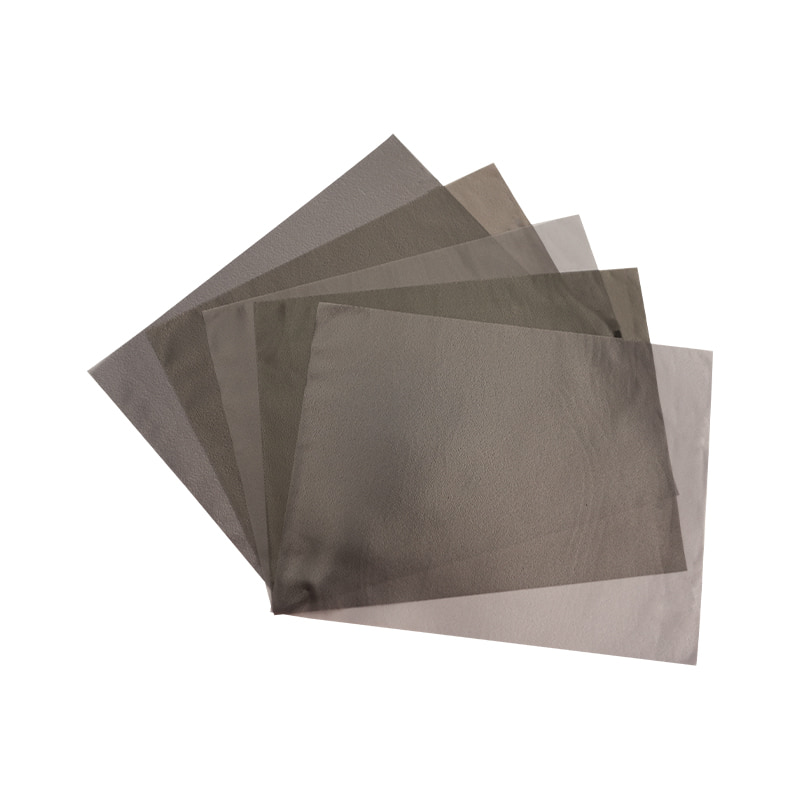
The physics of glare reduction are explained in this note on how heat insulation film reduces glare from sunlight. Where heat rejection is the priority, a dedicated heat insulation interlayer is laminated into the glass rather than relying on color alone.
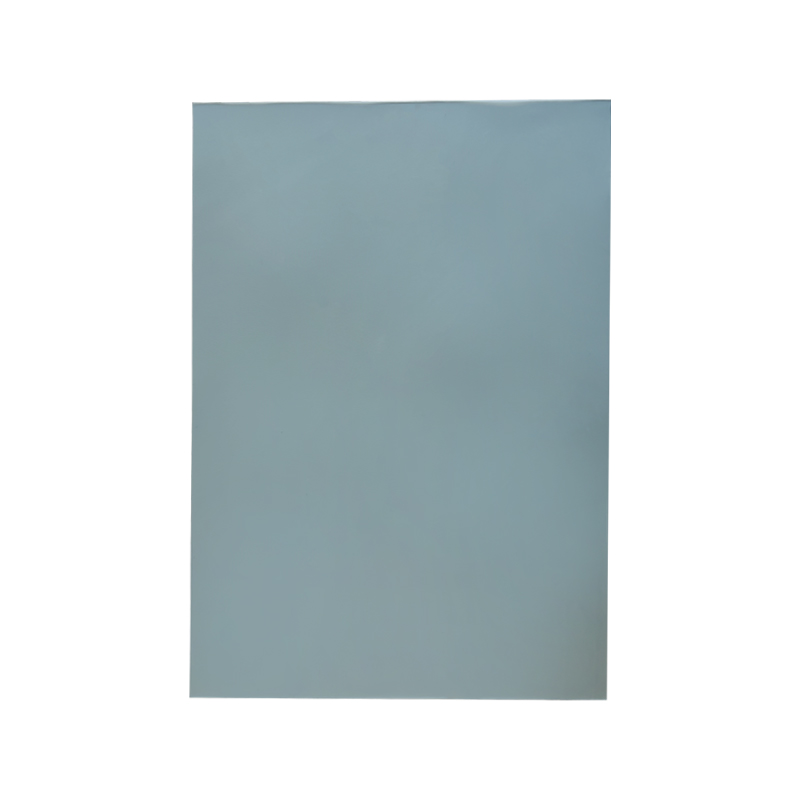 PVB Heat Insulation FilmPVB heat-insulating film is a blend of polyvinyl butyral resin with plasticizer and other plasticizers, adding nano heat-insulating medium using extrusion and calender...View Product →
Automotive and Architectural Gradients Are Not the Same Job
Automotive gradient tint is limited by light transmission rules, while architectural gradient glazing is limited by energy codes, safety requirements, and the daylight expectations of the people using the space.
Legal limitsWindshield areas face the tightest rules. Many regions require 70 percent or more VLT across the windshield and the AS-1 line, and front side windows commonly sit between 35 and 70 percent. Check the local limit first, because a decorative gradient on front glass can fail inspection.
SafetyRoad and building glazing is laminated or tempered. A gradient interlayer inside laminated glass keeps the pane intact after breakage, while applied film adds no structural retention.
DaylightOffices and shops rarely accept below 50 percent VLT in the lower half of a partition, because occupants lose both the view and the sense of space.
MaintenanceApplied film needs a soft cloth and a non-ammonia cleaner. A laminated gradient is cleaned like ordinary glass.
Rule of thumb: use the gradient for appearance and glare control, and use the chemistry for heat. A dark band at the top of a pane changes where the shade falls, not how much total solar energy the glass rejects.
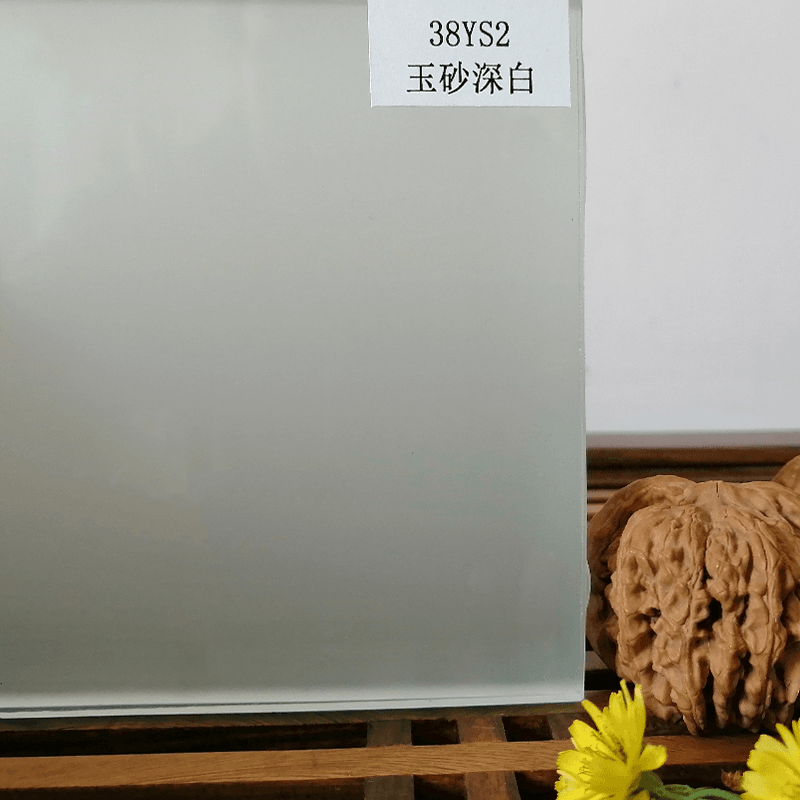
Interior partitions follow different logic. A frosted gradient that fades from an etched finish at eye level to clear glass below gives privacy where it is needed and daylight where it is not, and EVA jade sand film laminated into the glass produces that graded effect.
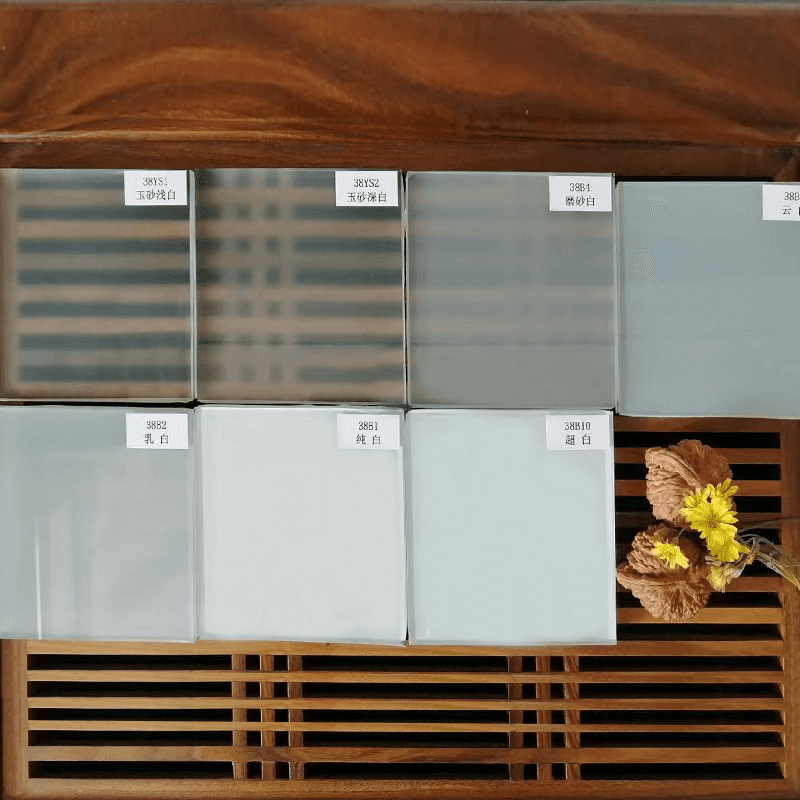 EVA Jade Sand FilmEVA Jade Sand Film is a translucent laminated glass film that provides excellent light-blocking and shadow-free effects. It comes in two types: Jade Sand and Deep Jade...View Product →
Specifying a Gradient: A Practical Sequence
Specify a gradient by fixing its two end values, its direction, and the height at which the transition finishes, before any material is selected.
Fix the end valuesDecide the darkest and lightest VLT figures before discussing film or interlayer options.
Choose the directionTop-down, bottom-up, or diagonal, marked on the elevation with an arrow.
Pick the delivery routeApplied film for retrofit work, laminated interlayer for new glass or permanent performance.
Check the glass buildSubstrate, thickness, coating, and whether the unit is tempered or laminated.
Prototype one paneApply or laminate a single unit and view it against the real interior at the real time of day.
Measure and recordTake readings at three points and file them with the shop drawing so replacement material matches later.
The most common specification failure is not the film or the interlayer. It is orientation. A gradient installed upside down reads as a defect, and reworking a laminated unit means remaking the glass.
Frequently Asked Questions
Does gradient window tint reduce heat as well as light?
Partly. The darkest zone blocks more visible light and, where the product carries IR-absorbing or reflective chemistry, more heat as well. A dyed gradient with no heat-control layer mainly changes appearance and glare, not solar gain.
Can gradient tint be applied to a car windshield?
Usually only as a band above the AS-1 line, and only where local rules allow it. A full-windshield gradient normally fails the minimum light transmission required for the driver field of view.
How long does a gradient tint last?
Applied film typically lasts five to ten years before fading, lifting, or shifting color, depending on sun exposure and film quality. A gradient built into an interlayer lasts as long as the glass unit, because the color sits inside the laminate and is never exposed to weather.
Is a gradient harder to install than a uniform tint?
Yes. Uniform film can be positioned loosely; a gradient must align to the same reference edge on every pane, otherwise the fade line steps from window to window. Laminated gradients avoid that problem because the pattern is set at the factory.
Ask for the gradient in writing: end values, direction, transition height, and the reference edge used for alignment.
Gradient window tint works when the two ends of the fade are chosen deliberately and the delivery route matches the project. For retrofit work, a graded film is the practical answer. For new laminated glass, a colored or heat-control interlayer holds the fade permanently inside the unit, with no adhesive edge to lift and no color to lose.
The same interlayer logic carries across building, automotive, and specialty glazing, so it is worth reviewing glass applications before fixing the endpoints of a fade, because the acceptable VLT range changes with the end use.