language
 English
 русский
 Español
 عربى
عربى
 中文简体
中文简体
Content
- 1 Understanding Polyvinyl Butyral Film and Its Critical Role in Laminated Glass
- 2 Key Performance Properties of Polyvinyl Butyral Film
- 3 Common Applications and Product Variants
- 4 Selecting the Right PVB Film Thickness
- 5 PVB Compared to EVA and SGP: Making the Right Choice for Your Project
- 6 Processing and Handling Considerations for PVB Film
- 7 Specifying Polyvinyl Butyral Film for Reliable Safety Glass
Understanding Polyvinyl Butyral Film and Its Critical Role in Laminated Glass
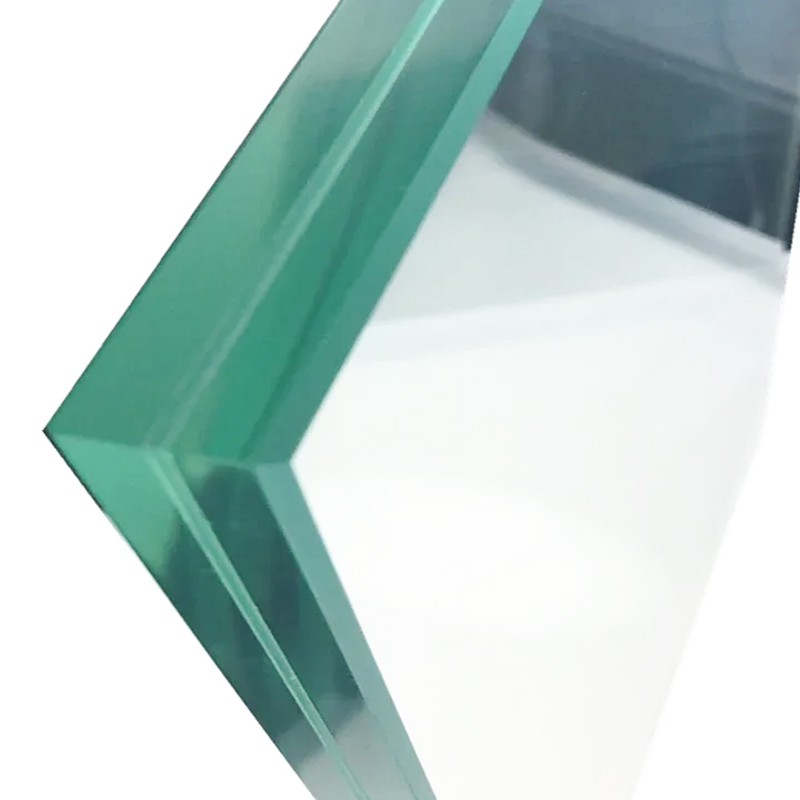
When a laminated glass panel withstands impact without shattering, polyvinyl butyral (PVB) film is almost always the reason. This thermoplastic interlayer, composed of plasticized polyvinyl butyral resin, bonds two or more glass plies into a single unit that holds together when broken. Unlike monolithic glass, which breaks into dangerous shards, PVB-laminated glass keeps fragments adhered, reducing injury risk and maintaining a partial barrier after failure.
PVB’s molecular structure creates a strong affinity for glass surfaces through hydrogen bonding, eliminating the need for primers in standard lamination. This characteristic, combined with excellent optical clarity and robust mechanical properties, has made PVB the most widely specified interlayer for architectural safety glazing, automotive windshields, and security glass. For specifiers who require reliable performance across a wide range of temperatures and loads, polyvinyl butyral film remains the benchmark material.
Key Performance Properties of Polyvinyl Butyral Film
PVB film delivers a balanced profile of mechanical, optical, and environmental properties that satisfies multiple glazing standards. The following values represent typical clear PVB grades at standard laboratory conditions; performance may shift with temperature, plasticizer content, and film thickness.
Adhesion and Load Transfer
PVB film bonds to glass with shear adhesion strength typically exceeding 15 MPa, ensuring that laminated panels act as composite sections under load. This adhesion transfers shear between glass plies, increasing the panel’s effective stiffness and post-breakage load capacity. In architectural applications, the bond must also endure continuous exposure to humidity and temperature cycling without delamination.
Optical Clarity and Ultraviolet Shielding
Clear PVB interlayers offer visible light transmittance above 90%, with haze values below 1%, preserving undistorted views. At the same time, standard PVB films block over 99% of ultraviolet radiation below 380 nm, which protects interior furnishings and reduces polymer degradation in the interlayer itself. For applications demanding tinted or reflective aesthetics, colored PVB films provide consistent color stability without sacrificing UV blocking.
Acoustic and Thermal Insulation
Specialized acoustic PVB interlayers incorporate a soft core that dampens sound transmission, improving the weighted sound reduction index (Rw) by 2–4 dB compared to standard PVB of the same thickness. Heat-insulating PVB grades use infrared-absorbing nanoparticles to lower solar heat gain while retaining high visible light transmittance, a critical requirement for energy-efficient building envelopes.
Mechanical Strength and Impact Resistance
PVB’s tensile strength, typically 20–30 MPa at break, and elongation at break of 150–300% allow it to absorb impact energy without tearing. Multi-layer constructions with thicker PVB films can achieve EN 356 P6B (anti-burglary) or even EN 1063 BR7 (bullet resistance) ratings when properly engineered with the right glass makeups.
Common Applications and Product Variants
Different use cases demand specific PVB formulations, from standard clear film to noise-reducing and solar-control grades. A reliable supplier will offer a portfolio that covers these categories without forcing unnecessary compromises.
Architectural Laminated Glass
Architectural PVB film forms the backbone of safety glazing in facades, skylights, balustrades, and interior partitions. It complies with impact safety standards like ANSI Z97.1 and EN 12600. For overhead glazing and point-fixed systems, the interlayer must maintain adhesion even when the glass is subjected to constant dead loads and thermal stress. Projects that require storm resistance or blast mitigation often specify multiple PVB layers to achieve the necessary energy absorption.
Automotive Glazing
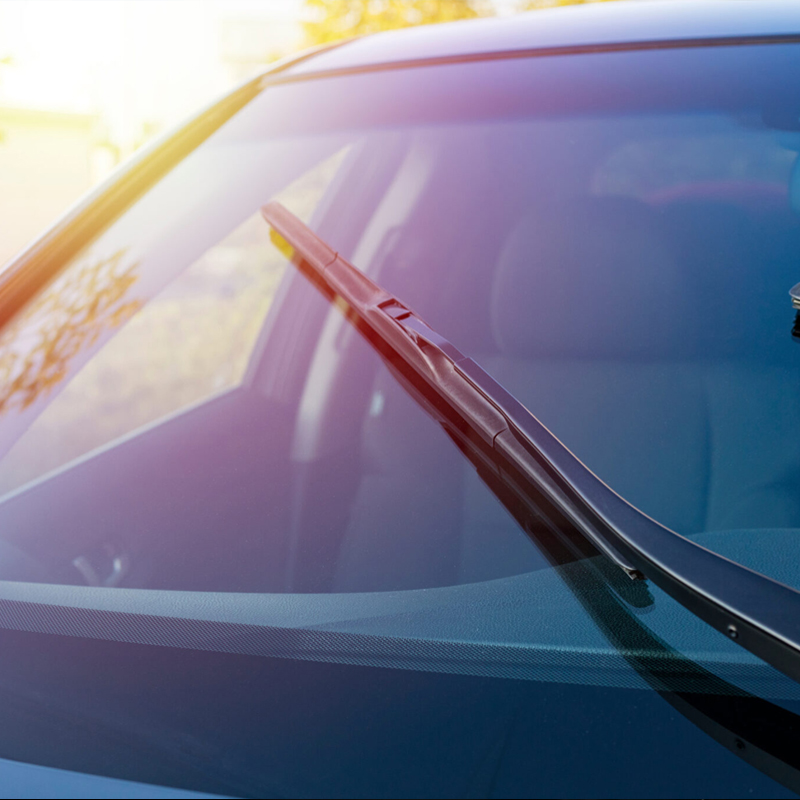
Every car windshield on the market uses PVB, and for good reason. Automotive-grade PVB film provides high penetration resistance, edge stability, and consistent optical quality across large curved surfaces. It also supports the moisture-resistant edge design necessary to prevent delamination during years of outdoor exposure. The same material appears in sunroofs and laminated side windows, where acoustic comfort and theft resistance add value.
Specialty and Decorative Glass
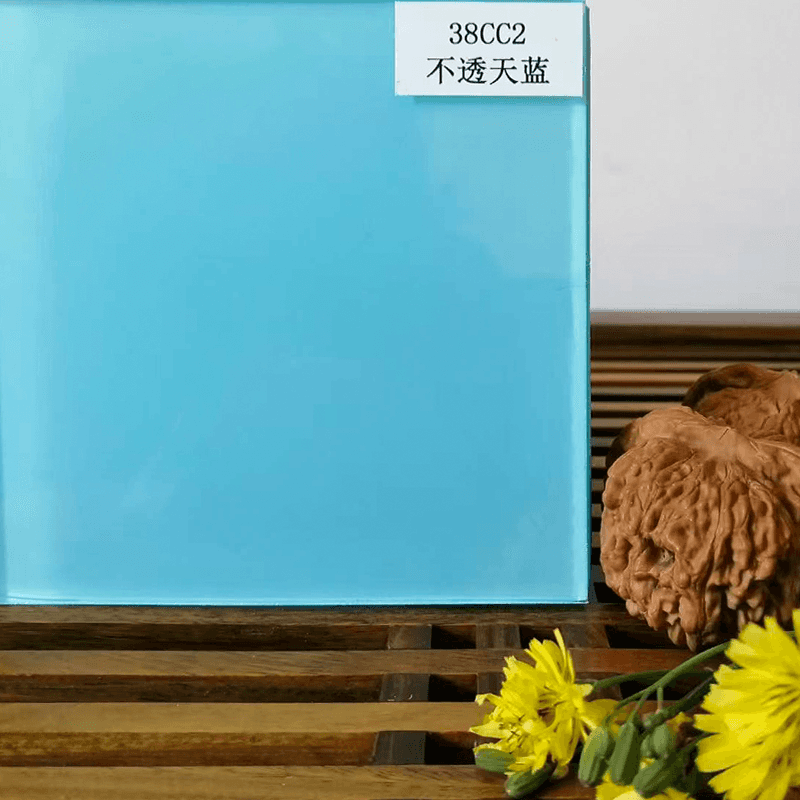
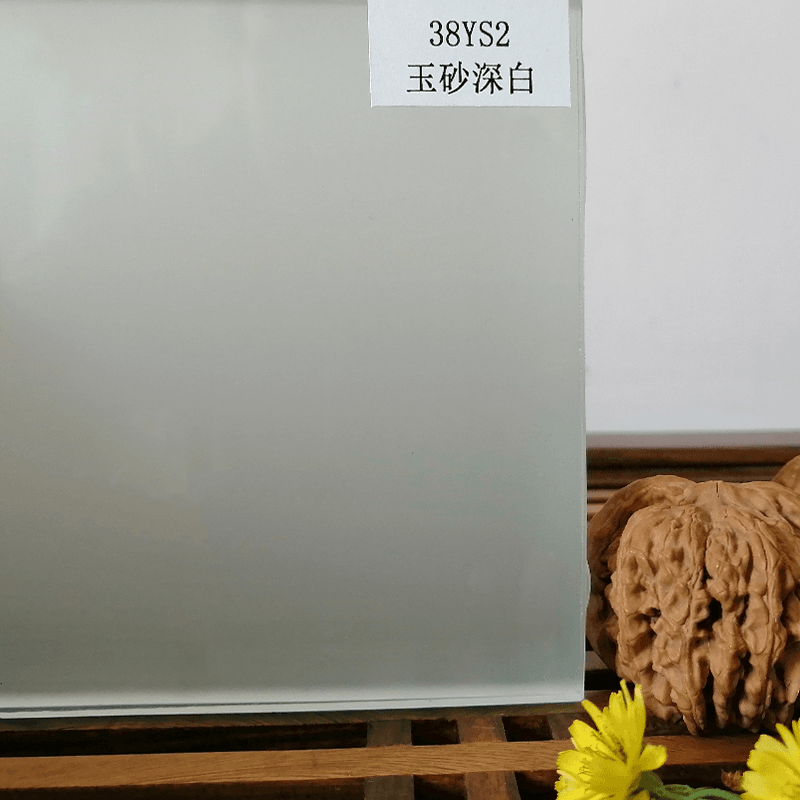
Beyond clear laminates, colored PVB films, digitally printed interlayers, and gradient sheets offer architects and interior designers a broad design language. Heat-insulation PVB grades reduce cooling loads, while sound-insulation variants improve indoor comfort in transportation hubs and office buildings. These specialty films are typically laminated using the same autoclave processes as standard PVB, so they fit smoothly into existing production lines.
Selecting the Right PVB Film Thickness
Thickness drives both safety performance and cost. While specification standards often define the minimum interlayer thickness for a given application, understanding the performance consequences helps avoid over- or under-specifying. The table below summarizes conventional thicknesses and their primary use cases.
| Thickness | Typical Applications | Key Benefit |
|---|---|---|
| 0.38 mm | Standard architectural, automotive side windows | Basic safety, UV blocking |
| 0.76 mm | Overhead glazing, large windows, automotive windshields | Improved impact resistance |
| 1.14 mm | Bullet-resistant glass, security barriers | Multi-layer strength, high penetration resistance |
| 1.52 mm | Blast-resistant glazing, hurricane impact zones | Extreme impact and wind load resistance |
For acoustic and thermal insulation, the required thickness may still be 0.38 mm or 0.76 mm, but the film construction is altered to include a damping core or IR-absorbing additives. When in doubt, referencing the specific performance standard (e.g., ASTM E308 for laminate impact resistance) provides a solid starting point for thickness selection.
PVB Compared to EVA and SGP: Making the Right Choice for Your Project
Specifiers sometimes evaluate ethylene-vinyl acetate (EVA) and SentryGlas® (SGP, an ionoplast interlayer) as alternatives to PVB. Each material has distinct property profiles that suit specific conditions.
EVA offers a lower processing temperature (110–130°C) and is often used for encapsulating photovoltaic cells or laminating certain polycarbonate sheets. However, EVA’s adhesion to glass is weaker than PVB, and its moisture sensitivity can lead to haze and delamination in exterior applications without edge sealing. For standard architectural or automotive laminated glass that must withstand years of outdoor exposure, PVB remains the more durable choice.
SGP delivers higher stiffness and strength than PVB, which can reduce glass thickness in structural applications such as glass floors and hurricane-resistant facades. Its post-breakage behavior is more rigid, allowing broken panels to carry higher residual loads. The trade-off is a higher material cost and a narrower processing window—SGP requires autoclave conditions that are not available in all laminating lines. For the vast majority of safety glazing, PVB provides a proven, cost-effective balance of adhesion, clarity, and energy absorption.
A quick reference on selection logic: if budget, optical clarity, and balanced safety are the priorities, PVB is the default. If ultra-high stiffness or structural glass with minimal deflection is non-negotiable, SGP may be justified. If low-temperature lamination is the only option, EVA could be considered—but with the understanding that its weather resistance is limited.
Processing and Handling Considerations for PVB Film
Even the best PVB film will underperform if not properly stored, conditioned, and laminated. Film moisture content must remain below 0.4% before lamination; otherwise, bubble formation and reduced adhesion are likely during autoclave curing. Rolls should be kept in a climate-controlled environment at 10–20°C and 25–35% relative humidity, with opened packaging used within a short window.
The glass washing and assembly room must be strictly controlled for dust and humidity. Any particulate contamination between the glass and interlayer becomes a permanent defect visible after lamination. The de-airing nip-roll or vacuum bag process must remove trapped air completely before the glass stack enters the autoclave. Our detailed manufacturing guide covers autoclave cycle profiles and quality checks that maximize yield. Following these procedures consistently results in laminates that meet the adhesion, optical, and impact requirements described earlier.
Specifying Polyvinyl Butyral Film for Reliable Safety Glass
Polyvinyl butyral film has earned its position as the workhorse interlayer because it reliably delivers optical clarity, strong glass adhesion, ultraviolet protection, and tunable impact performance across a broad range of thicknesses and formulations. For architects and glazing contractors, the key is matching the film grade and thickness to the mechanical demands and environmental conditions of the project—then specifying a quality-controlled laminating process to unlock that performance. With the right PVB selection and handling discipline, laminated glass transforms from a cost line into a dependable safety and comfort solution.