language
 English
 русский
 Español
 عربى
عربى
 中文简体
中文简体
Content
- 1 What Is EVA Lamination Film?
- 2 Key Properties That Make EVA Ideal for Glass Lamination
- 3 Common Applications of EVA Lamination Film
- 4 EVA vs PVB: Which Interlayer Should You Choose?
- 5 How to Select the Right EVA Lamination Film for Your Project
- 6 Processing Guide for EVA Lamination Film
- 7 Conclusion and Next Steps
What Is EVA Lamination Film?
A glass fabricator selecting an interlayer for a skylight weighs clarity, moisture resistance, and adhesion every time. EVA lamination film answers these demands as a thermoplastic copolymer of ethylene and vinyl acetate. Unlike standard films, its molecular structure delivers a rare combination of high light transmission and permanent flexibility after crosslinking.
In laminated glass, the EVA interlayer bonds two or more glass panes together without the need for an autoclave in many production setups. It melts, flows, and chemically crosslinks during a controlled heating cycle, creating a durable bond that retains shards upon impact. This makes it a practical choice for safety glass, decorative panels, and photovoltaic encapsulation. For a deeper look at the material’s foundation, refer to our complete guide to EVA film properties.
Key Properties That Make EVA Ideal for Glass Lamination
Selecting an interlayer starts with measurable performance. EVA delivers across four critical dimensions that directly influence glass quality and durability.
Exceptional Optical Clarity and Low Haze
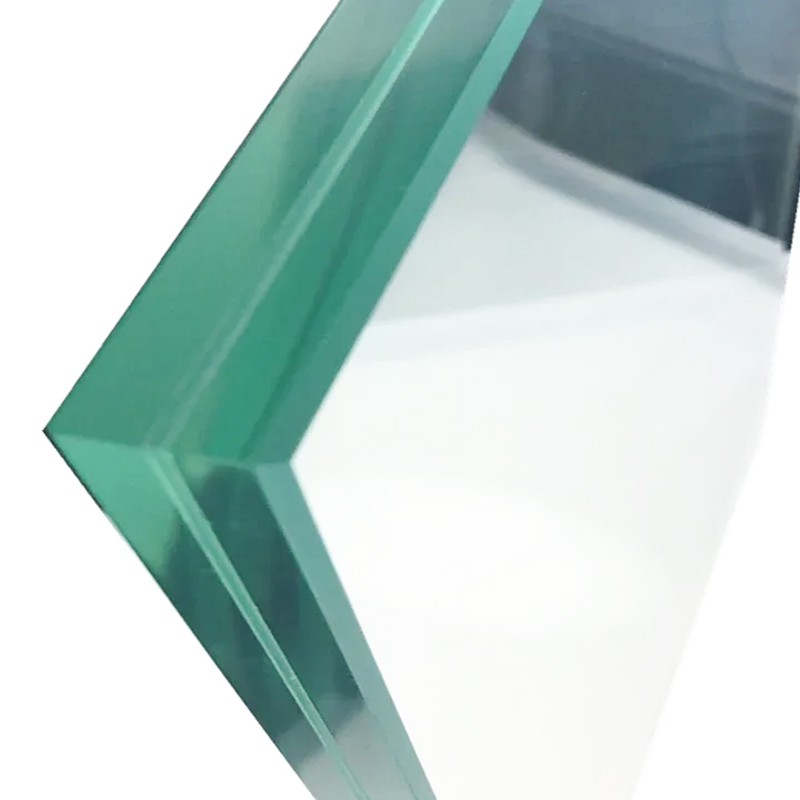
High-transparency EVA grades routinely achieve visible light transmittance above 91% with haze values under 0.5%. This matters in architectural façades and display cases where visual fidelity is non-negotiable. The film’s minimal internal scatter preserves true color rendering even when multiple layers are used. Specifiers who require maximum see-through performance can review our highly transparent EVA film for architectural glass.
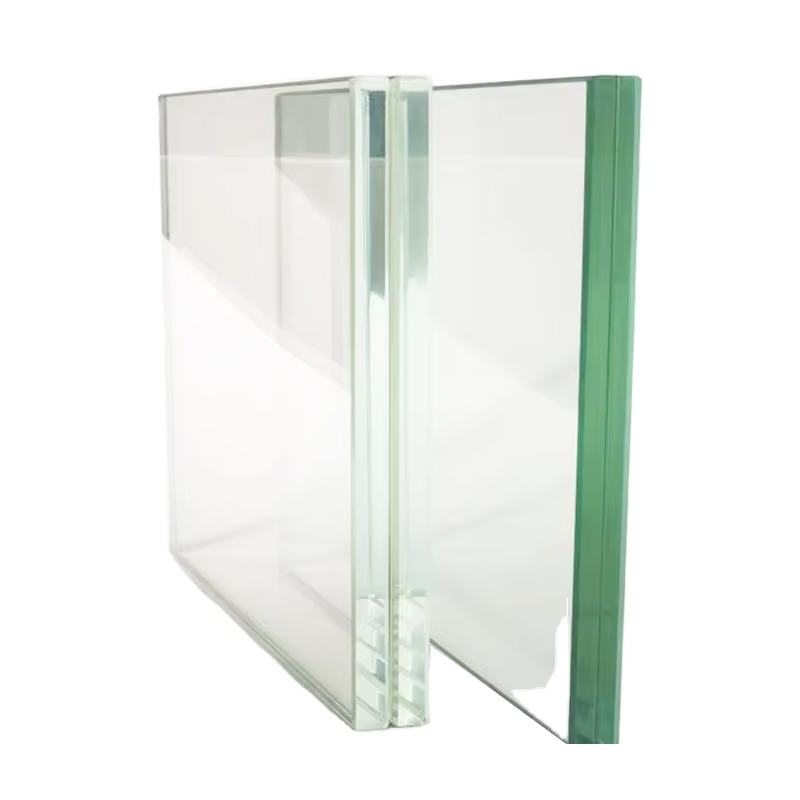 EVA Film High Transparency, High Transparent EVA Film SuppliersAs High Transparent EVA Film Suppliers and Company in China, Daruihengte offer Wholesale High Transparent EVA Film for laminated glass, E...View Product →
Strong Adhesion to Multiple Substrates
EVA bonds tenaciously not just to glass but also to PET backsheets, metal meshes, and fabrics. This versatility opens design possibilities that other interlayers cannot match, from embedding metallic fibers to laminating printed textiles between glass panes. Peel strength after proper cure consistently exceeds 60 N/cm, ensuring long-term structural integrity.
Excellent UV Blocking (≥99%)
With integrated UV absorbers, EVA lamination film screens out more than 99% of UV radiation below 380 nm. This protects interior furnishings, flooring, and art from fading while extending the film’s own life by reducing photo-degradation. Independent weathering tests confirm minimal yellowing even after 2,000 hours of QUV exposure.
Low Water Absorption (<0.1%)
Moisture attack is a leading cause of delamination in laminated glass. EVA absorbs less than 0.1% water by weight, a fraction of what traditional interlayers take up. This inherent hydrophobic characteristic eliminates the edge-seal requirements common in humid climates and simplifies open-edge glazing designs.
Common Applications of EVA Lamination Film
The same material adapts to safety, aesthetics, and energy systems. Three sectors account for the vast majority of EVA interlayer use today.
Architectural Laminated Glass
Balustrades, overhead glazing, and interior partitions rely on EVA’s post-breakage retention. Because high-transparency EVA does not require autoclave pressure, it suits low-investment production lines serving regional building markets. The film’s low moisture sensitivity also makes it a preferred interlayer for open-edge canopy and railing installations.
Decorative Glass
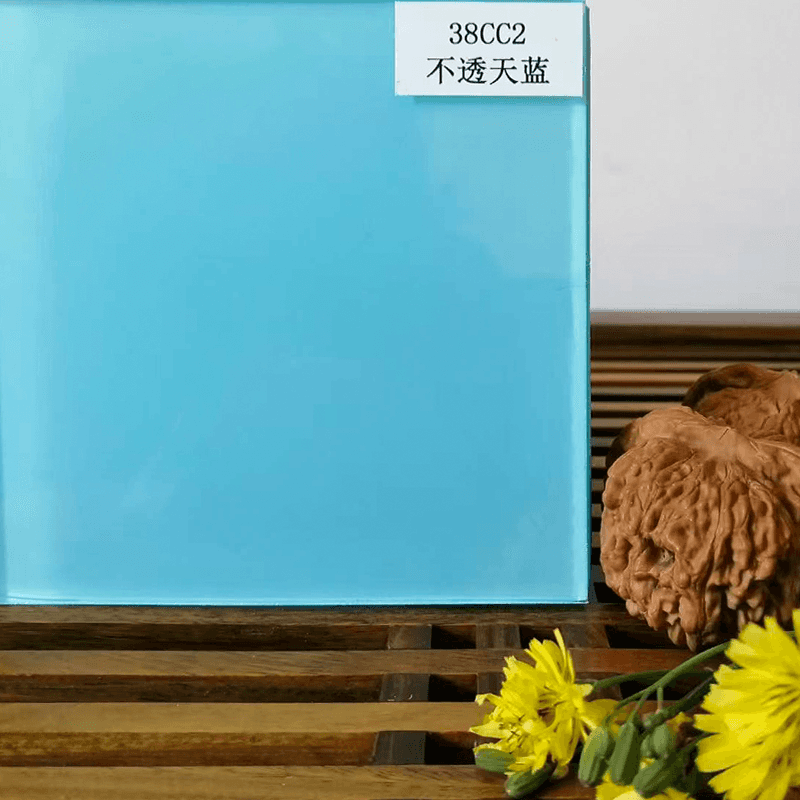
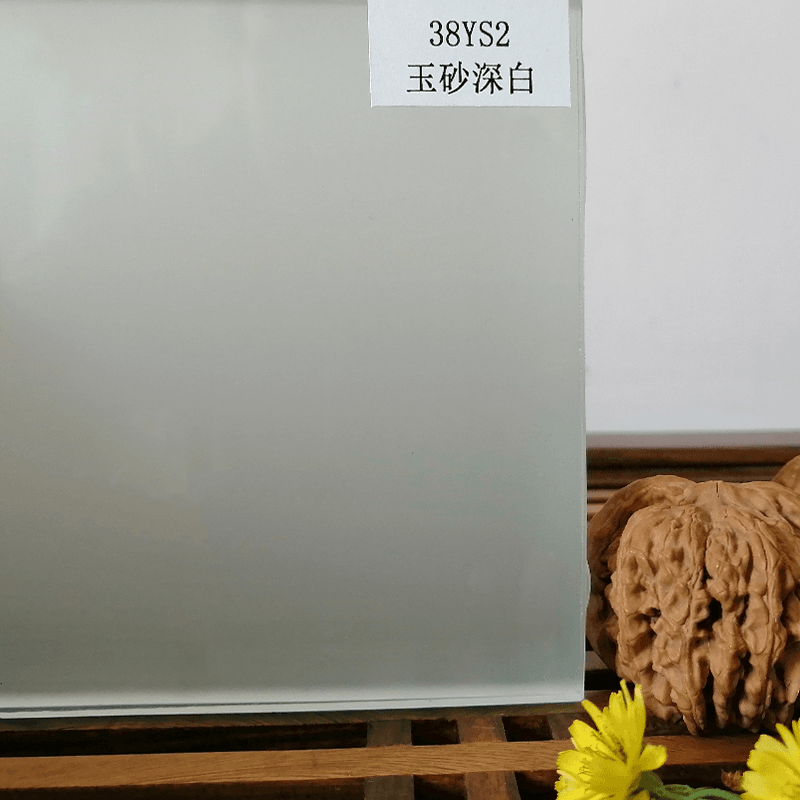
Designers frequently embed colored interlayers or frosted films to create privacy panels, signage, and feature walls. EVA color films retain consistent tint without leaching, while jade sand finishes deliver a uniform matte look that diffuses light evenly. Two specific product lines match these requirements: EVA color film for decorative laminated glass and EVA jade sand film for privacy glass.
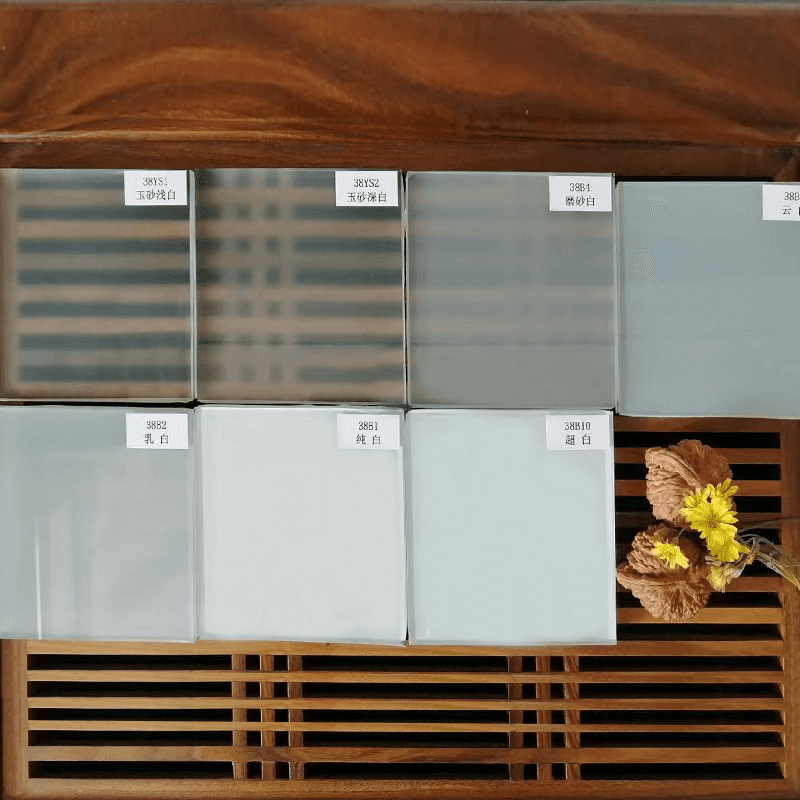 EVA Jade Sand Film Suppliers, Wholesale Company - Jiangsu Daruihengte Science & Daruihengte - EVA Jade Sand Film Suppliers and Wholesale EVA Jade Sand Film Company in China,EVA Jade Sand Film is a translucent laminate...View Product →
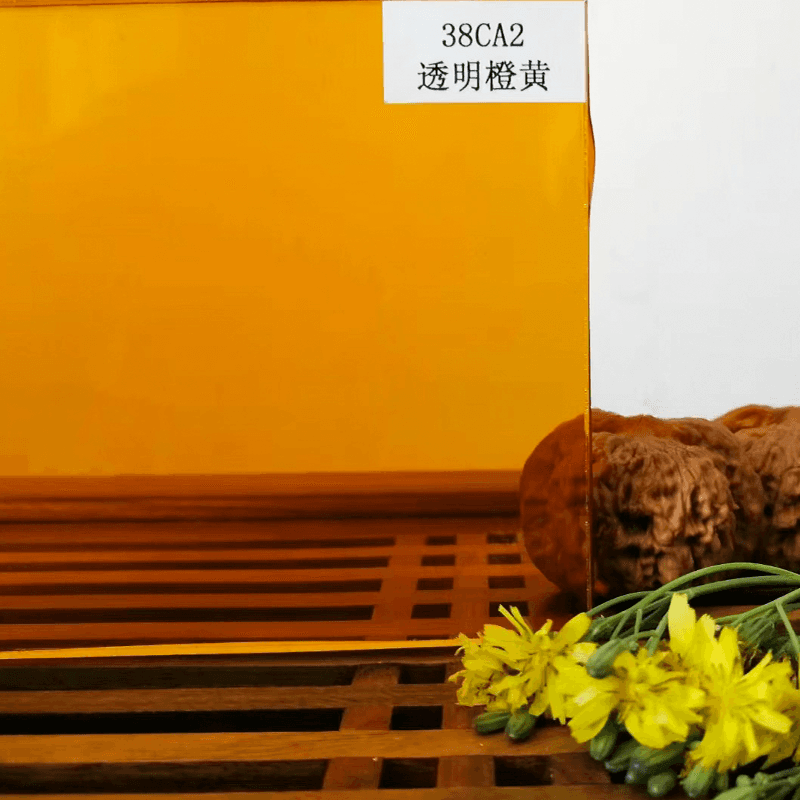 EVA Color Film Suppliers, Wholesale Company - Jiangsu Daruihengte Science & TechDaruihengte - EVA Color Film Suppliers and Wholesale EVA Color Film Company in China,EVA color film is widely used in the field of artist...View Product →
Photovoltaic Modules
As an encapsulant, EVA cushions solar cells, provides electrical insulation, and maintains optical coupling over two decades of outdoor service. Its balanced crosslinking speed and adhesion to both glass and backsheet make it the workhorse material in crystalline silicon modules worldwide.
EVA vs PVB: Which Interlayer Should You Choose?
The decision between EVA and PVB turns on processing capability, environmental exposure, and final performance requirements. Rather than chasing a universal best, match the interlayer to the project.
- Processing equipment: EVA cures in vacuum-bag or nip-roller ovens at 110–130 °C. PVB typically demands an autoclave for proper tack and edge seal.
- Moisture tolerance: With water absorption below 0.1%, EVA performs reliably in humid environments without edge sealing. PVB’s higher moisture uptake requires careful storage and often a desiccant edge system.
- Impact resistance: PVB generally offers higher tear strength and energy absorption under ballistic loads. For standard safety glazing and hurricane-rated windows, properly processed EVA still meets ANSI Z97.1 and EN 12600 impact classifications.
- Optical and aging behavior: Both can deliver sub-1% haze, but EVA’s UV absorbers are chemically bound into the polymer matrix, reducing migration risk over decades.
For a data-driven breakdown of every performance parameter, consult our detailed PVB vs EVA comparison.
How to Select the Right EVA Lamination Film for Your Project
A systematic evaluation prevents costly rework. Use these four criteria before placing an order.
Clarify End Use
Safety glass demands high-adhesion formulations; decorative panels need predictable color uniformity and bubble-free curing; solar encapsulants require fast crosslinking at low shrinkage. Defining the primary function filters out unsuitable grades immediately.
Choose the Correct Thickness
Standard thicknesses range from 0.38 mm for lightweight interior decoration to 0.76 mm and 1.52 mm for structural laminated glass. Thicker interlayers improve impact performance and reduce the probability of glass-to-film delamination under thermal stress. Confirm the lamination stack-up meets your local building code before finalizing.
Evaluate Color and Transparency Requirements
If the project calls for a specific shade or light-diffusing effect, request lab samples to verify color consistency under your curing conditions. Transparent films should be specified with a haze ceiling (e.g., ≤0.5%) to ensure the finished panel won’t appear cloudy.
Verify Equipment Compatibility
Not all ovens provide uniform temperature profiles. Share your target cycle times and heating method (silicone blanket, infrared, or convection) with the film supplier to confirm that the EVA’s melt-flow and crosslinking chemistry will align with your production line. A deeper walkthrough of these factors is available in our guide on choosing the right EVA lamination film.
Processing Guide for EVA Lamination Film
Even the best interlayer will underperform if processed roughly. Control three stages to maximize yield.
Assembly and Pre-Press
Lay the EVA film between dry, dust-free glass sheets. Use a vacuum bag or a nip roller to evacuate air from the stack. Maintain a vacuum level of at least 0.095 MPa for 5–10 minutes before heating begins; this prevents edge bubbles from becoming permanent.
Cure Cycle
Ramp the temperature to 110–130 °C at a controlled rate, typically 5–10 °C per minute. Hold at the peak temperature for 30–60 minutes. The film transitions from a milky melt to a clear, crosslinked layer during this window. Avoid rapid temperature spikes: thermal shock can cause glass breakage or uneven adhesion.
Cooling and Inspection
Cool the laminate gradually to below 50 °C before removing it from the fixture. Inspect for delamination, bubbles larger than 1 mm, and specular clarity under a light box. Edge trimming can proceed immediately after cooling.
Conclusion and Next Steps
EVA lamination film gives glass processors a robust, moisture-insensitive interlayer that excels in architectural, decorative, and solar applications. By matching the film’s clarity, color, and thickness to the end use—and pairing it with a disciplined thermal cycle—fabricators can achieve high-yield production without an autoclave.
Explore the full EVA film product range to find the right starting grade for your next project, or contact our technical team for sample recommendations tailored to your laminating equipment.