language
 English
 русский
 Español
 عربى
عربى
 中文简体
中文简体
Content
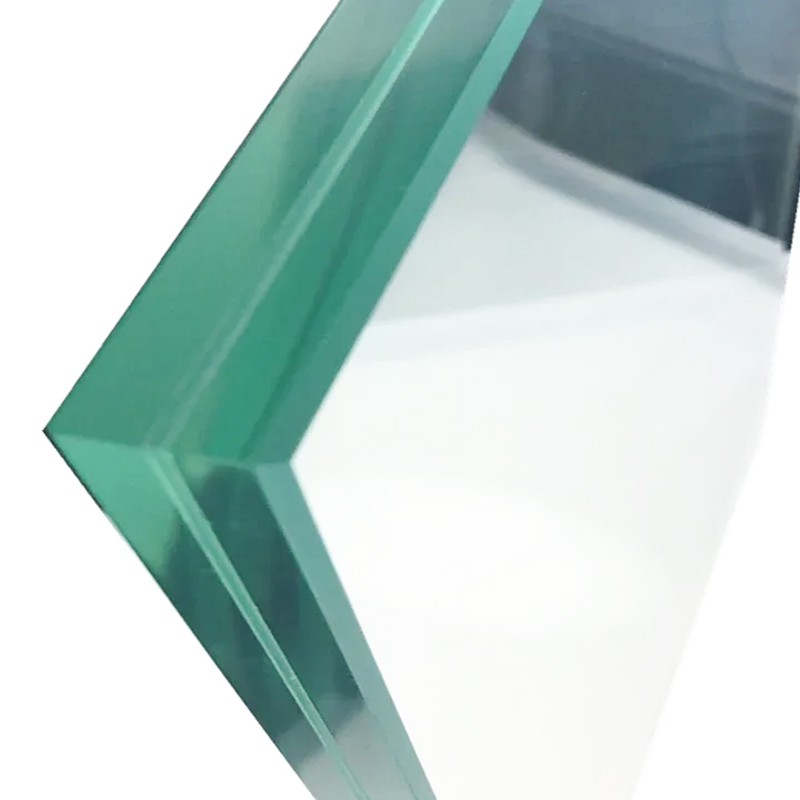
PVB glass interlayer film (Polyvinyl Butyral film) is one of the most widely used interlayer materials for laminated glass today. Thanks to its outstanding overall performance, it is extensively applied across building facades, automotive windshields, photovoltaic module encapsulation, and many other fields. It not only significantly enhances the safety of glass products but also offers multiple functions such as sound insulation, heat insulation, and UV protection, making it an indispensable material in the modern glass processing industry. The following sections detail the eight main advantages of PVB glass interlayer film.
1. High Safety Performance
Safety is one of the core advantages of PVB glass interlayer film. PVB film has excellent toughness and impact energy absorption capability. When glass is broken by an external impact, the fragments remain firmly bonded to the PVB film layer instead of scattering in every direction as with ordinary tempered or float glass, greatly reducing the risk of injury from flying shards.
Typical Application Value
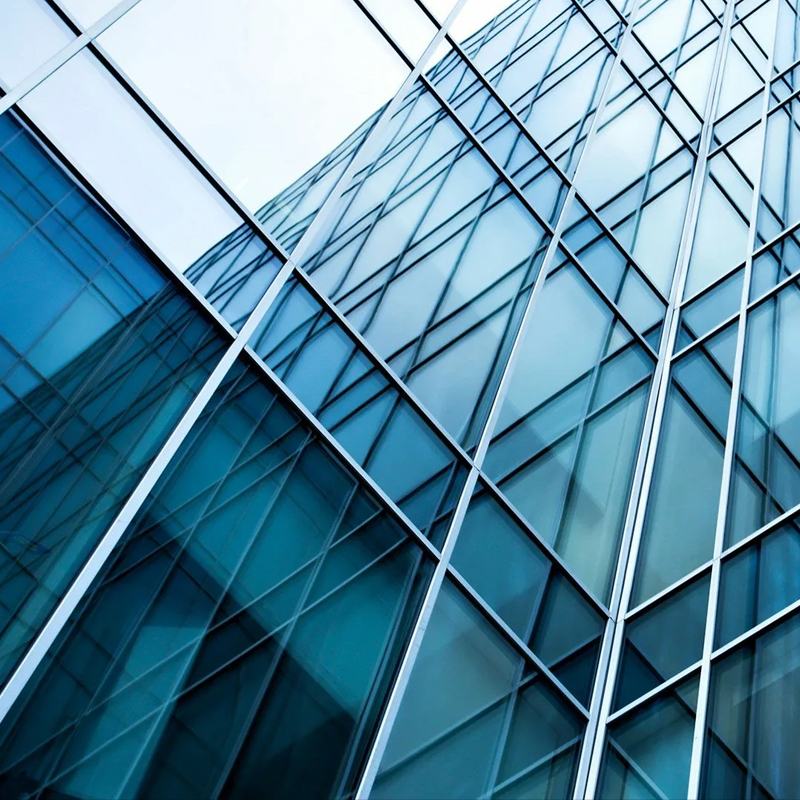
- Architectural glass: maintains overall structural integrity even after breakage, preventing injuries from falling debris
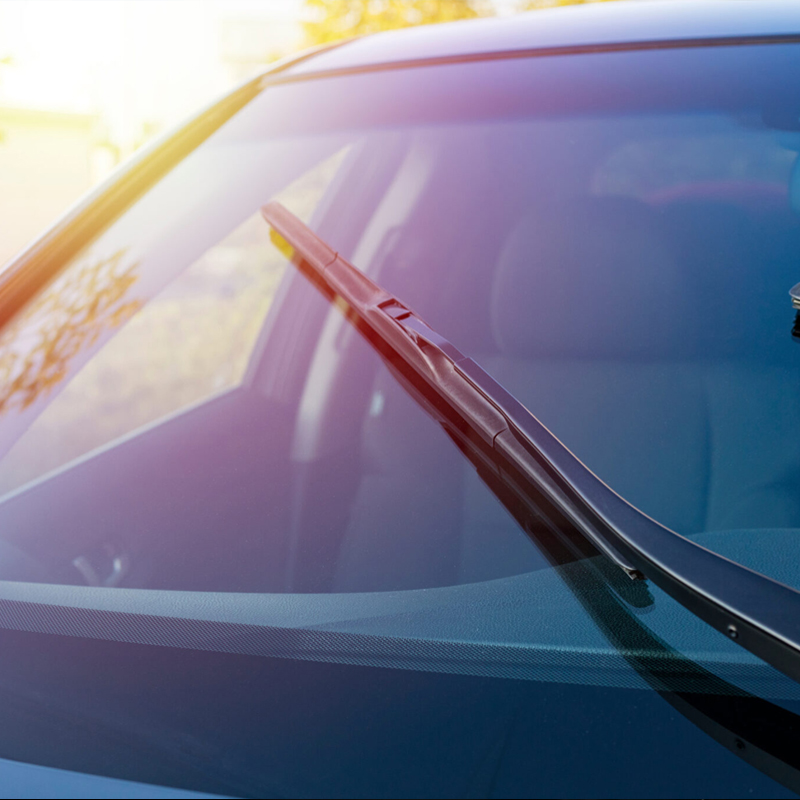
- Automotive windshields: reduces secondary injuries to drivers and passengers caused by shattered fragments in collisions
- Anti-explosion and anti-theft scenarios: delays penetration by external force, buying time for evacuation and emergency response
For these reasons, PVB laminated glass has been widely incorporated into mandatory industry standards and regulations for both architectural and automotive safety glass.
2. Excellent Sound Insulation Performance
The PVB film layer has good damping and vibration-suppressing properties, which effectively inhibit the resonant transmission of sound waves through the glass structure, significantly reducing the transfer of external noise indoors. Compared with ordinary insulating glass, PVB laminated glass performs notably better at blocking mid- and low-frequency noise such as traffic and construction sounds.
This characteristic makes it widely used in roadside buildings, residences near airports, high-end office towers, and premium vehicle windows where a quiet environment is essential, meaningfully improving comfort in living, working, and travel settings.
3. Good Thermal Insulation Performance
PVB film can effectively block part of the infrared heat radiation in sunlight, reducing the amount of heat transmitted directly indoors and thereby minimizing fluctuations in indoor temperature. In summer, it helps reduce the cooling load on air conditioning, while in winter it slows indoor heat loss, helping buildings lower overall energy consumption in line with current trends toward building energy efficiency and low-carbon development.
At the same time, while blocking part of the heat radiation, PVB laminated glass still maintains soft and even indoor lighting, avoiding glare issues and balancing both energy savings and comfortable daylighting.
4. Outstanding UV Protection Performance
PVB film can block over 99% of ultraviolet rays, effectively preventing UV radiation from passing through the glass into indoor spaces. Prolonged UV exposure can cause indoor furniture, wood flooring, curtains and fabrics, and leather goods to fade, age, and even become brittle and crack, whereas PVB laminated glass can greatly slow this deterioration.
Key Items Protected
- Indoor soft furnishings: curtains, carpets, sofa fabrics, and other textiles
- Furniture and building materials: wooden furniture, flooring, and coated finishes
- Display items: museum exhibits, artwork, and merchandise in commercial display cases
This is also an important reason why PVB laminated glass is the preferred choice for museums, exhibition halls, and commercial storefront windows.
5. High Transparency
High-quality PVB film itself has extremely high optical clarity. When laminated with glass, it does not produce noticeable haze or color deviation, and the visible light transmittance remains close to that of the original glass sheet. This means users can gain safety protection, sound insulation, and thermal insulation benefits without significantly sacrificing visual clarity or natural lighting.
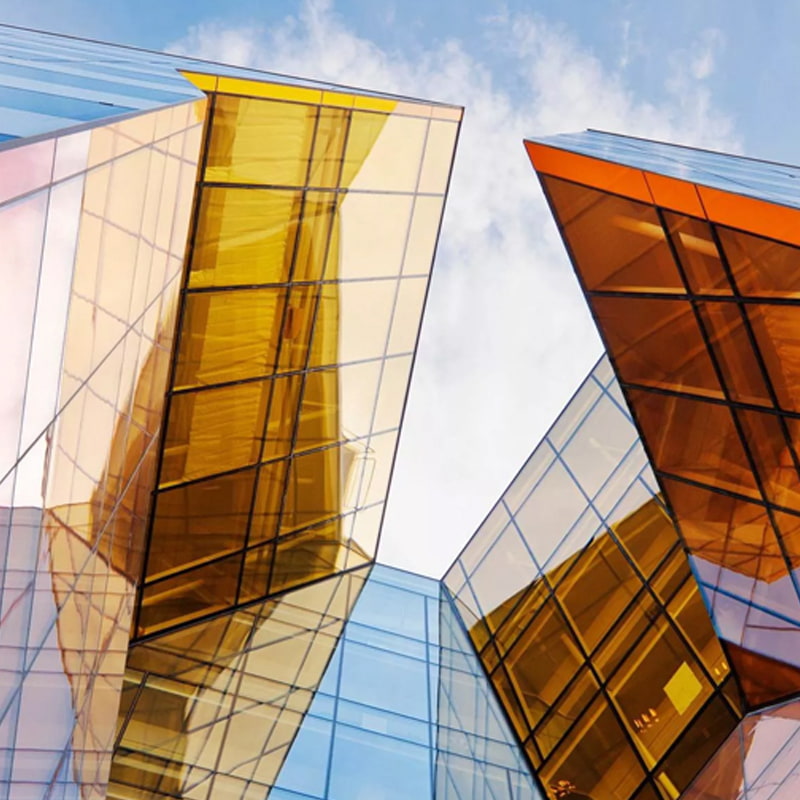
This advantage makes PVB laminated glass especially suitable for settings with high visual requirements, such as shopping mall display windows, observation elevators, glass curtain walls, and panoramic sunroofs in premium vehicles.
6. Strong Adhesion and Stability
PVB film has excellent interlayer bonding strength with glass substrates, forming a firm and uniform composite structure after hot-pressing lamination. Even under complex climate conditions involving alternating high and low temperatures or high humidity and heavy rain, PVB laminated glass can maintain stable adhesion over the long term without delamination, bubbling, or layer separation.
This long-term stability significantly extends product service life and reduces subsequent maintenance and replacement costs, making it a key reason PVB laminated glass is widely used in demanding outdoor environments such as building curtain walls.
7. Versatile Processing Performance
PVB film offers good flexibility and processability, and can be cut, joined, and curved as needed to fit glass products of various shapes, curvatures, and sizes. Whether for flat rectangular glass or curved glass requiring a bent profile, PVB film can conform closely and form well.
This processing flexibility greatly expands the range of applications for PVB laminated glass, enabling it to meet diverse design and manufacturing needs such as irregularly shaped architectural curtain walls, curved automotive windshields, and artistic glass installations.
8. Environmental Friendliness
PVB film material itself contains no halogens or other harmful substances, and it has a relatively low environmental impact during production and use, aligning with current trends toward green and eco-friendly development in the construction and automotive industries. In addition, PVB film has good recyclability and can be recovered and reused through professional channels after disposal, reducing resource waste.
Furthermore, the thermal insulation and energy-saving effect that PVB laminated glass provides during use also indirectly lowers building operating energy consumption and carbon emissions, aligning with the principles of green building and sustainable development, making it a genuinely eco-friendly functional material.