language
 English
 русский
 Español
 عربى
عربى
 中文简体
中文简体
Content
Glass that shatters into razor shards has been a solved problem for decades — the solution is a thin PVB interlayer film sandwiched between two panes of glass. Yet many architects, glaziers, and automotive engineers still underestimate how much the specific grade of PVB film determines the final performance of laminated glass. This guide breaks down what you need to know about architectural and automotive PVB film so you can select the right product for the right application.
What PVB Interlayer Film Actually Does
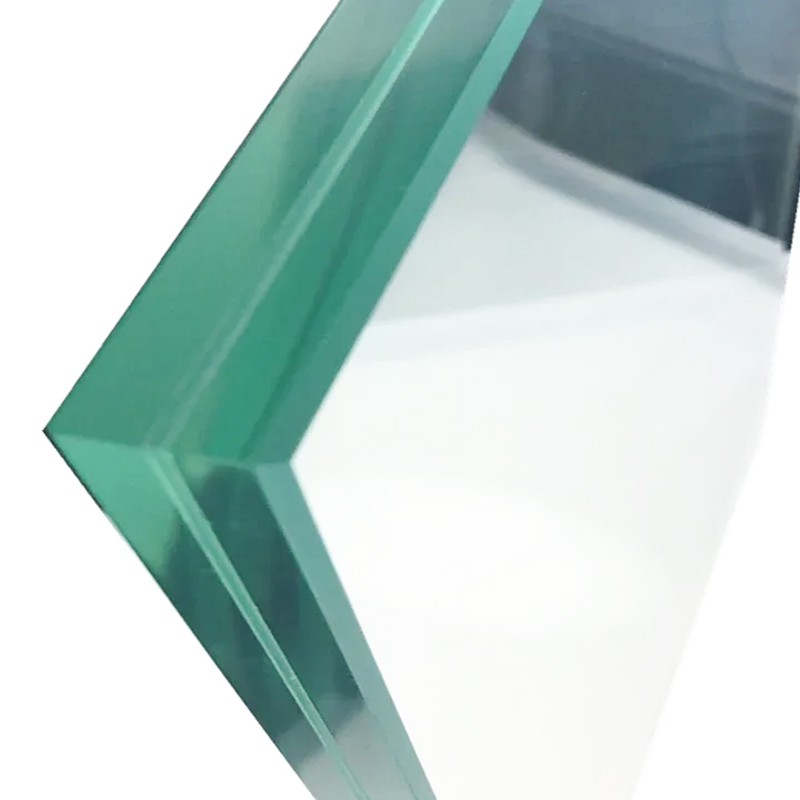
Polyvinyl butyral (PVB) film is a polymer material made from polyvinyl butyral resin and plasticizer, formed under pressure into a flexible, optically clear sheet. When bonded between glass layers under high temperature and pressure, it acts as a structural adhesive that holds glass fragments together upon impact. The result: no flying shards, reduced injury risk, and a glass panel that remains in place even after breakage.
Beyond safety, PVB interlayers also deliver UV blocking (typically filtering over 99% of ultraviolet radiation), sound attenuation, thermal insulation, and improved structural stiffness — all without compromising optical clarity. The key performance metrics — light transmittance, tensile strength, haze, and adhesion (pummel value) — differ significantly between architectural-grade and automotive-grade films, which is why the distinction matters.
PVB Film for Architecture Glass: What the Specs Mean
Architectural PVB interlayer film for laminated safety glass is available in four standard thicknesses: 0.38 mm, 0.76 mm, 1.14 mm, and 1.52 mm. Thicker films provide greater post-breakage retention and higher structural load capacity, which matters for overhead glazing, skylights, and high-rise curtain walls. Thinner 0.38 mm films are commonly used in interior partitions and decorative applications where impact risk is lower.
Critical specification benchmarks for architectural film:
- Light transmittance ≥ 88% — ensures the glass remains clear and true to architectural intent
- Tensile strength ≥ 20 MPa — sufficient to hold glass fragments under significant load
- Elongation at break ≥ 200% — the film stretches rather than tears under sudden impact
- Haze ≤ 0.30% (0.38 mm) to ≤ 0.80% (1.52 mm) — low haze preserves visual quality
- Pummel value ≥ 8 — high adhesion to glass, critical for overhead and façade applications
- Shrinkage at 60°C / 15 min ≤ 12% — film stability under summer heat exposure
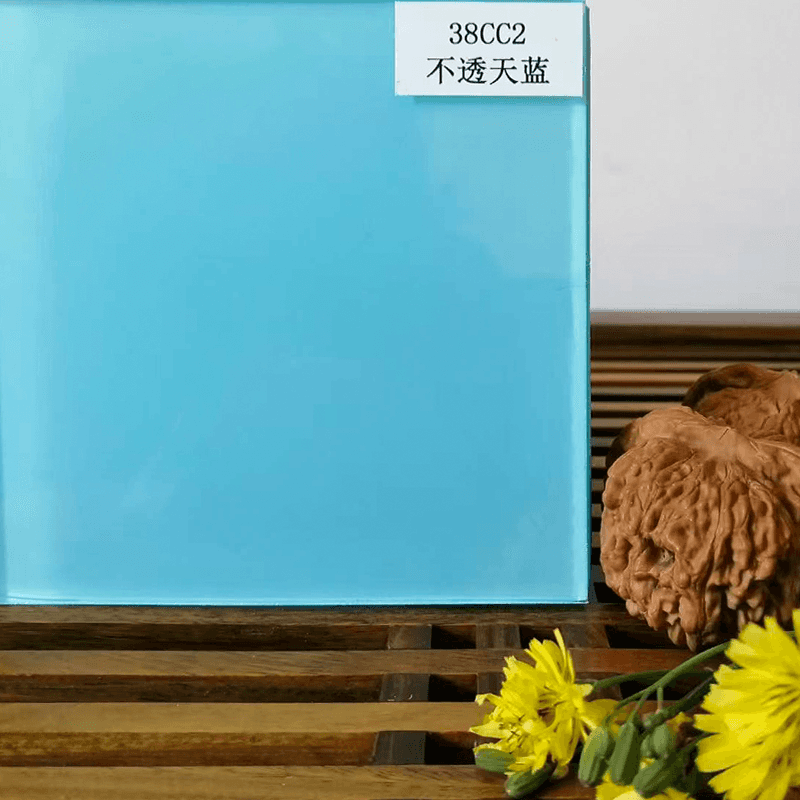
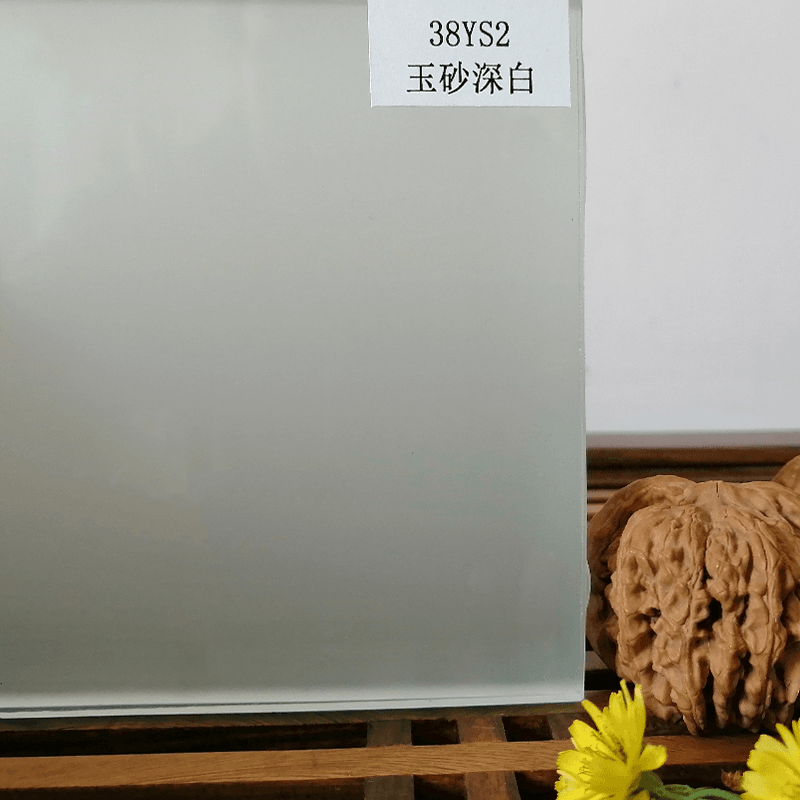
For building facades, curtain walls, and bulletproof-grade installations, architectural PVB also offers options including heat-insulating PVB interlayer film that reduces solar heat gain, and acoustic PVB interlayer film for noise reduction in buildings, which can reduce interior sound levels by an additional 3–5 dB compared to standard film. Colored variants allow designers to specify tinted laminated glass while retaining full safety performance.
Automotive PVB Film: Stricter Standards, Different Priorities
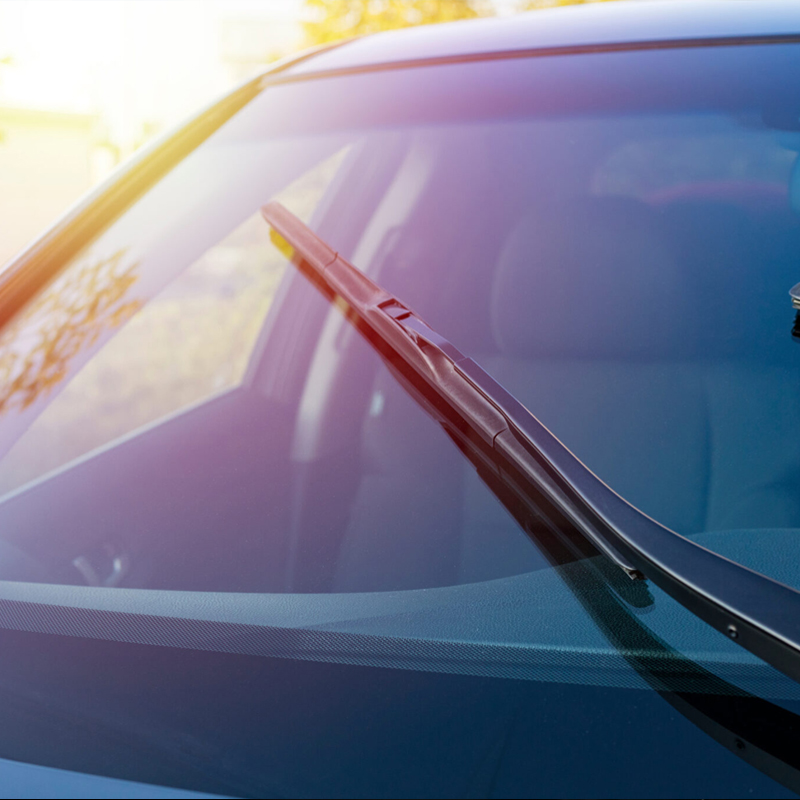
Windshield glass faces a different set of demands than a building facade. A vehicle's glass must survive thermal shock from -20°C to +40°C cycling, maintain optical distortion below 5 millidiopters (to prevent driver fatigue), resist stone impacts at highway speed, and pass specific national safety standards such as China's GB9656-2003.
Automotive-grade PVB interlayer film for windshields is typically produced in 0.76 mm thickness with tighter tolerances than architectural film (±0.02 mm). Key performance targets:
| Parameter | Automotive Film Value | Architectural Film Comparison |
|---|---|---|
| Tensile Strength | ≥ 25 MPa | ≥ 20 MPa |
| Light Transmittance | ≥ 89% | ≥ 88% |
| Haze | ≤ 0.4% | ≤ 0.30–0.80% (by thickness) |
| Pummel Value | 3–6 (controlled detachment) | ≥ 8 (maximum adhesion) |
| Optical Distortion | ≤ 5 millidiopters | Not specified |
| Yellow Index | < 8 | Not specified |
Notice that automotive film has a lower pummel value (3–6) compared to architectural (≥8). This is intentional: in a collision, the windshield must absorb head impact energy without the glass clinging too rigidly — a calibrated adhesion level prevents secondary head injury. This is a fundamental design difference between the two grades, not a quality deficiency.
Automotive film is also produced in shade variants — blue, green, and grey gradient bands at the top of the windshield — to reduce glare for drivers. Sound-insulation automotive film is increasingly specified in premium vehicles, where the PVB interlayer is formulated with an acoustic damping core layer.
How to Choose: Architecture vs. Automotive, and Which Sub-Grade
The selection decision usually comes down to three questions: What safety standard applies? What optical performance is required? And what secondary functions — acoustic, thermal, decorative — does the application need?
For architectural applications, start with the structural load: overhead glass (skylights, glass floors) needs 1.14 mm or 1.52 mm film with high pummel adhesion. Vertical facades can use 0.76 mm. Decorative interior glass is often done with 0.38 mm. If the project is in a high-noise urban environment, specify the acoustic variant. If solar heat gain is a concern, the heat-insulating PVB film option is worth the cost delta.
For automotive OEMs and aftermarket glass fabricators, the windshield grade is the baseline — never substitute architectural film, as pummel values and optical distortion specs will not meet GB9656 or ECE R43 requirements. For panoramic roofs and side glass in premium vehicles, acoustic automotive PVB is now the industry standard given its impact on perceived cabin quality.
Storage and processing matter too. PVB film is moisture-sensitive: architectural film should be stored at 15–25°C with relative humidity below 30%. Films exposed to excess moisture before lamination will show adhesion failures and bubble formation in the finished glass — a defect that cannot be corrected after autoclaving. See the full PVB interlayer film product range for thickness and grade options.
Specification Checklist Before You Order
Before placing a PVB film order, confirm the following with your supplier:
- Grade confirmation — architectural or automotive, and the specific sub-type (standard, acoustic, heat-insulating, colored)
- Thickness and tolerance — ±0.02 mm for standard, verify for specialty films
- Pummel value range — ≥8 for facades/overhead, 3–6 for windshields
- Compliance certifications — ISO9001:2015 for QMS, plus any regional standard (GB9656, EN ISO 12543, ANSI Z97.1)
- Roll width and length — ensure compatibility with your autoclave or vacuum bag dimensions
- Moisture content on delivery — target 0.35–0.55%; request COA (certificate of analysis) per batch