language
 English
 русский
 Español
 عربى
عربى
 中文简体
中文简体
Content
When tempered glass shatters into granules, it is a thin layer of PVB interlayer film that holds the fragments in place, preventing severe lacerations and maintaining structural integrity. That invisible, tough membrane has become the backbone of safety glazing in cars, buildings, and high‑security installations. This article unpacks what PVB interlayer film is, how it is made, its performance characteristics, the different types available, and how to select the right grade for a given application.
What Is PVB Interlayer Film?
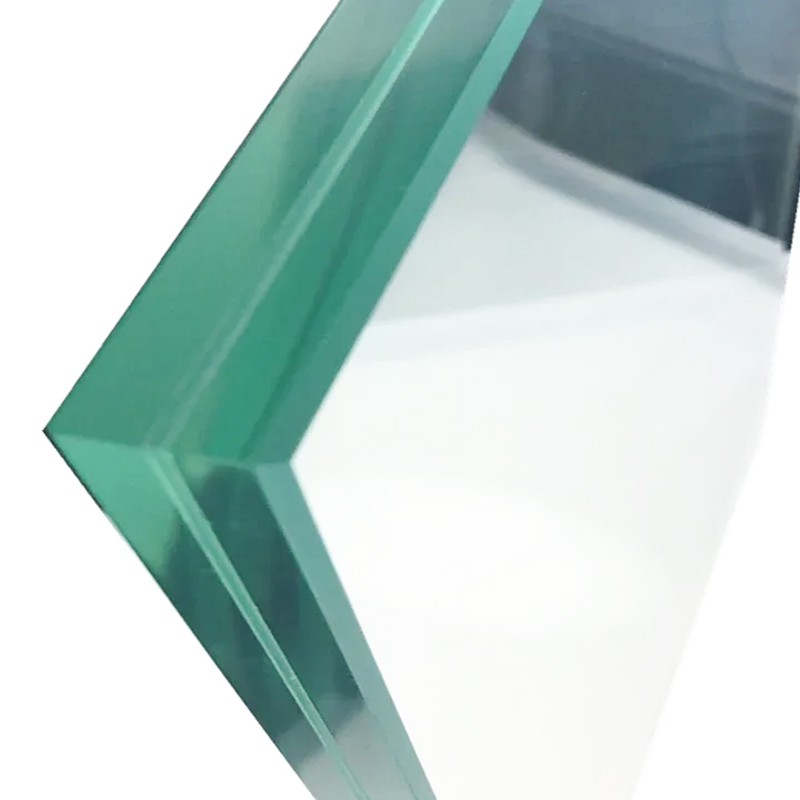
PVB (polyvinyl butyral) is a thermoplastic resin obtained by condensing polyvinyl alcohol with butyraldehyde. In interlayer form, it is a thin, clear sheet compounded with plasticizers and additives to achieve the required flexibility, impact toughness, and adhesion to glass. When laminated between two or more glass plies under heat and pressure, the film chemically bonds to the glass surfaces, creating a composite that resists penetration, dampens noise, and blocks the vast majority of harmful UV radiation.
The secret to PVB’s performance lies in its hydrogen‑bonding interaction with the silanol groups on glass. This creates a strong yet ductile interface—rigid enough to transfer loads, yet sufficiently elastic to stretch and absorb energy under impact. Adhesion is carefully balanced: too high and the laminate may lose crack‑stopping ability; too low and the film can delaminate. The standard adhesion benchmark for automotive and architectural glazing is typically 4–8 N/mm in a peel test according to EN 12543 / ISO 12540‑1.
PVB interlayer film is by far the most widely used interlayer globally, driven by its cost‑effectiveness, optical clarity, and proven safety track record in millions of windshields and building facades. To explore the full product range, you can review PVB interlayer film specifications across multiple grades.

How PVB Interlayer Film Is Manufactured
Production begins with the synthesis of PVB resin, which is then plasticized—typically with triethylene glycol bis(2‑ethylhexanoate) (3GO) or similar esters—to achieve the desired softness and elongation. The compound is fed into a controlled extrusion process where the melt passes through a flat die and is stretched into a continuous web. Film thickness can range from 0.38 mm (15 gauge) up to 2.28 mm (90 gauge) and beyond, controlled with high precision to meet the target mechanical and optical properties.
A critical step is embossing: the extruded film receives a fine, roughened surface pattern that allows air to escape during the pre‑lamination stage. Without this de‑airing texture, trapped air would create bubbles and weaken the bond. The film is then cooled, trimmed, and wound into rolls under strict clean‑room conditions. Quality control monitors pummel adhesion, light transmission, haze, yellowness index, and moisture content to guarantee batch‑to‑batch uniformity.
Leading manufacturers offer multiple thicknesses, adhesion levels, and functional variants from the same extrusion line by adjusting plasticizer content and blending additives. Consistency here determines how predictably the film performs during lamination and in service.
Core Performance Properties
No single property defines PVB; rather, a combination of optical, mechanical, and environmental attributes makes it the dominant choice. Below are the key characteristics that engineers evaluate.
Optical Clarity & UV Shielding
Standard clear PVB transmits over 85% of visible light with haze typically below 1.0%. More importantly, the film incorporates UV absorbers that cut off over 99% of ultraviolet radiation below 380 nm. This shields interior fabrics, furnishings, and artwork from fading while protecting vehicle occupants from cumulative UV exposure—without visibly darkening the glass.
Mechanical Strength & Adhesion
PVB exhibits a tensile strength around 20–30 MPa and elongation at break exceeding 200%. These figures translate into high‑energy absorption: during an impact, the film stretches and deforms plastically, dissipating force before the glass can separate. Adhesion to glass is tuned to the application—typically 4–6 N/mm in a standard pummel test—ensuring fragments remain bonded even after breakage.
Acoustic Damping
Due to its viscoelastic nature, PVB damps sound energy, particularly in the coincident frequency range of glass. Special acoustic‑grade films enhance this effect by incorporating a multi‑layer construction with a softer core. An acoustic PVB interlayer can improve the sound transmission class (STC) by 2–3 dB compared to standard laminate, a meaningful reduction in perceived traffic and wind noise.
The table below summarizes representative property values for a standard architectural‑grade PVB film.
| Property | Value |
|---|---|
| Visible light transmission (clear) | 88–91% |
| UV cut‑off (TUV < 1%) | ≤ 380 nm |
| Tensile strength (MD/TD) | 20–25 MPa |
| Elongation at break (MD/TD) | 200–250% |
| Adhesion to glass (pummel) | 4–6 N/mm |
| Haze | < 0.8% |
Types & Special Grades
Not all PVB films are created equal. The family has diversified to meet specific functional demands, many of which can be combined in a single laminate.
- Standard PVB (SG grade): General‑purpose film for automobile windshields and commercial glazing, balancing clarity, adhesion, and cost.
- Acoustic PVB: Features a multi‑layer core that reduces sound transmission. Often specified for automotive side glass, partition walls, and office enclosures.
- Structural/High‑Adhesion PVB: Formulated for stiffer laminates used in balustrades, glass floors, and hurricane‑impact systems where higher post‑breakage strength is critical.
- Solar Control / Heat‑Insulating PVB: Infused with nano‑ceramic or infrared‑absorbing particles to reflect a portion of solar heat while maintaining visible clarity. This cuts cooling loads without heavy tinting.
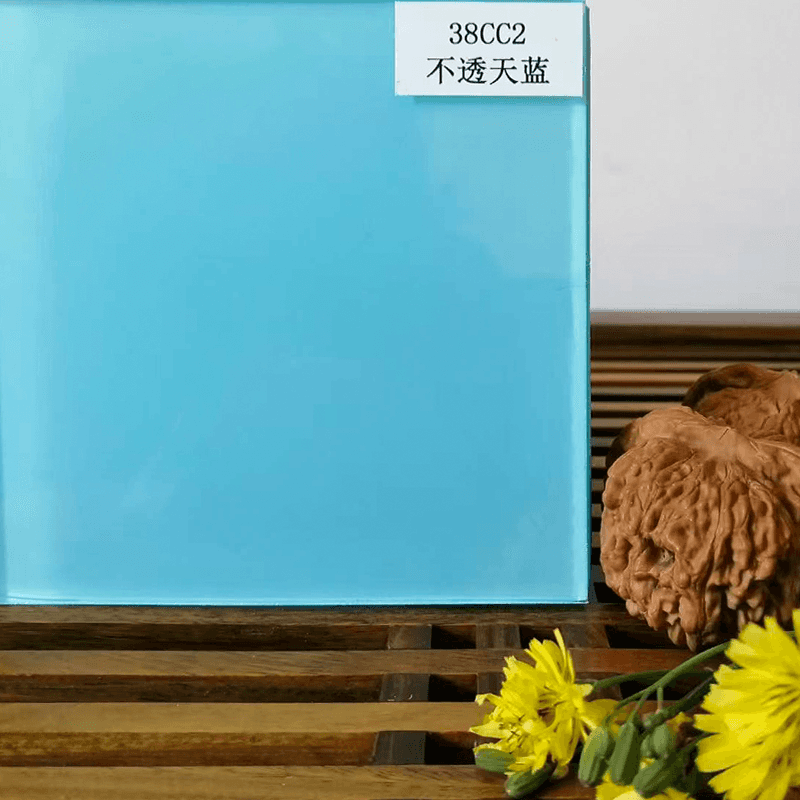
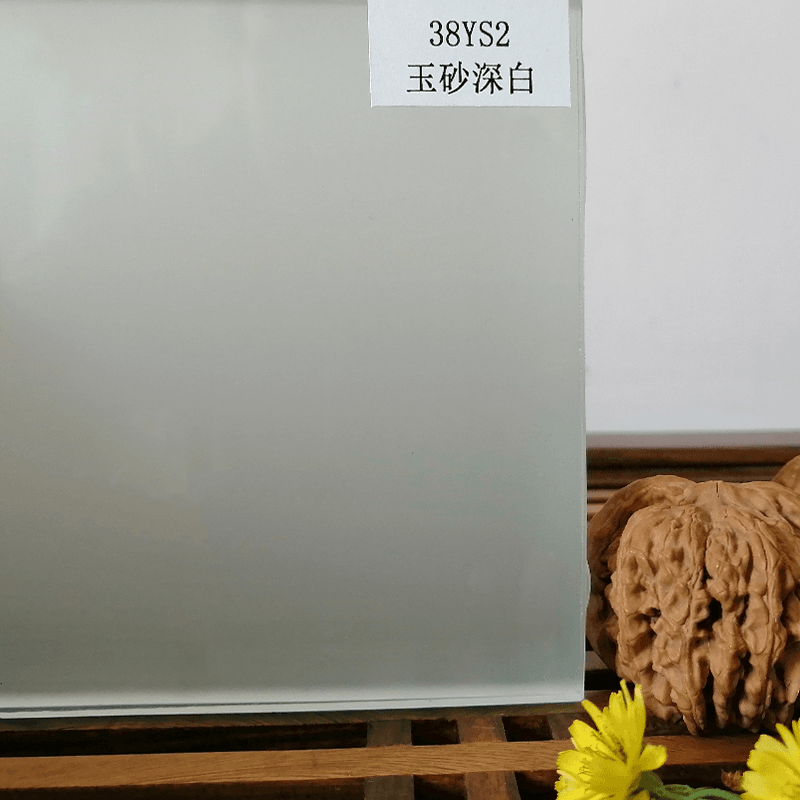
- Colored and Decorative PVB: Available in a wide palette, translucency levels, and even gradients. Used for spandrel glass, decorative partitions, and branding elements. More details can be found in the colored PVB interlayer films range.

Specialty films also exist for bullet‑resistant and blast‑resistant laminates, typically with increased thickness and multi‑layer stacking to stop high‑velocity projectiles.
Primary Applications
PVB interlayer film is deeply embedded in codes and standards for safety glazing worldwide. The three largest markets are automotive, architectural, and security glass.
Automotive Glazing
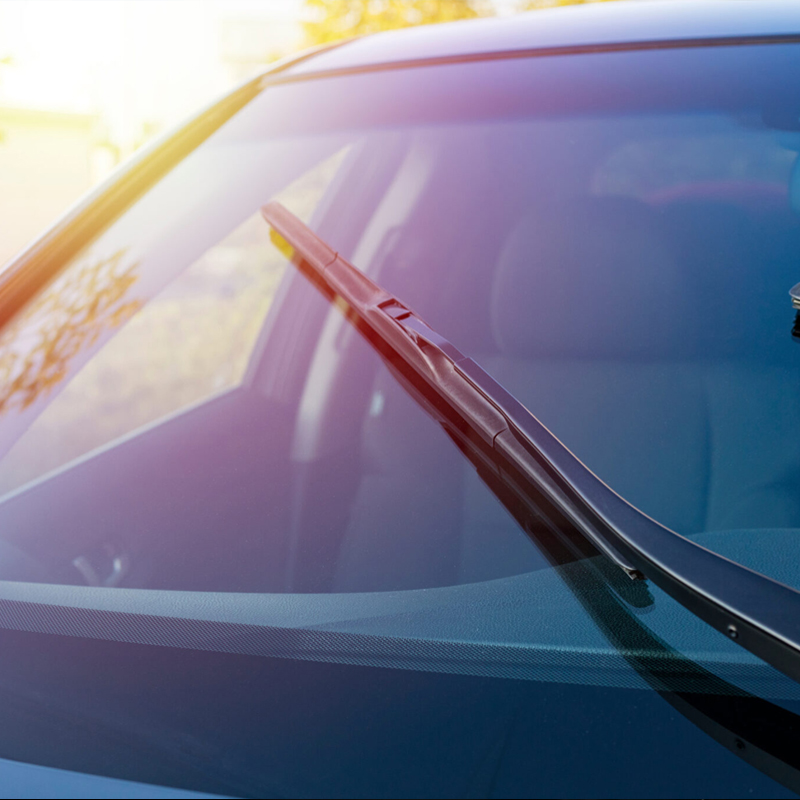
Virtually every vehicle windshield produced globally is laminated with PVB. The film keeps occupants inside the cabin during a collision, supports the passenger‑side airbag deployment, and reduces the risk of ejection. Side and rear windows increasingly utilize acoustic or colored PVB to enhance comfort and privacy.
Architectural Glass
In buildings, laminated glass with PVB is mandated for overhead glazing, balconies, curtain walls, and railings. It protects pedestrians from falling glass, provides acoustic insulation, and meets safety regulations such as EN 12600 (1B1 classification). Architectural‑grade PVB films often carry enhanced adhesion and UV stability for long‑term exterior exposure.
Security & Bullet‑Resistant Systems
Multi‑laminate configurations using thick PVB layers (1.14 mm and above) can absorb projectile energy, preventing penetration. These laminates are tested per standards like UL 752 and EN 1063 for various threat levels, from handguns to rifles.
Decorative & Interior Design
Colored, patterned, and digital‑print PVB interlayers open creative possibilities for partitions, doors, and feature walls while maintaining full safety performance.
PVB vs. EVA vs. Ionoplast Interlayer: How to Choose
Different interlayer chemistries serve different masters. EVA (ethylene‑vinyl acetate) offers superior moisture resistance and edge stability in exposed‑edge applications, making it popular for photovoltaic panels and high‑humidity enclosures. Ionoplast interlayers (commonly referred to as SGP) provide significantly higher stiffness and post‑breakage strength, often specified for hurricane glazing and structural glass fins. PVB sits in the sweet spot of cost, optical quality, and proven safety across mass‑market applications.
The key trade‑offs are:
- PVB offers the most balanced performance for impact safety and acoustic attenuation at a competitive price, but requires careful edge sealing in high‑moisture environments to prevent delamination.
- EVA bonds well to metals and PET layers and tolerates continuous wet exposure, yet has lower tensile modulus and limited impact resistance at low temperatures.
- Ionoplast films are extremely tough and stiff, approaching the modulus of glass, but at a higher material cost.
For a detailed technical comparison, refer to the PVB versus EVA interlayer film analysis.
Selecting the Right PVB Film for Your Project
Choice depends on the glazing standard, safety requirement, and desired secondary function. The table below offers practical guidelines.
| Application | Recommended PVB Thickness | Key Property |
|---|---|---|
| Vehicle windshield | 0.76 mm | Standard adhesion, optical clarity |
| Overhead glazing (skylight) | 1.52 mm (two plies) | High adhesion, UV resistance |
| Balcony balustrade | 1.14–1.52 mm | Structural stiffness, post‑breakage retention |
| Acoustic window | 0.76 mm (acoustic grade) | Sound damping, multi‑layer core |
| Bullet‑resistant laminate | 2.28 mm + (multiple layers) | Energy absorption, stacking compatibility |
| Decorative panel | 0.38–0.76 mm (colored) | Color uniformity, lightfastness |
Adhesion level, whether standard, high, or structural, must also be specified. For exterior architectural projects, request a film with extended UV stabilization and a proven track record in natural weathering.
Quality Standards & Certifications
Reputable PVB film carries compliance with international norms. Look for certification to EN 12543 / ISO 12540‑1 for the film itself and EN 14449 for laminated glass. In North America, ANSI Z97.1 and CPSC 16 CFR 1201 govern safety glazing; automotive glazing follows ECE R43 or FMVSS 205. Film suppliers typically furnish mill certificates detailing conformance to optical, mechanical, and adhesion requirements per batch.
Consistent manufacturing is validated through in‑line monitoring of thickness, haze, and adhesion, plus periodic testing for boil‑test and humidity‑freeze resistance to guarantee long‑term lamination integrity.