language
 English
 русский
 Español
 عربى
عربى
 中文简体
中文简体
Content
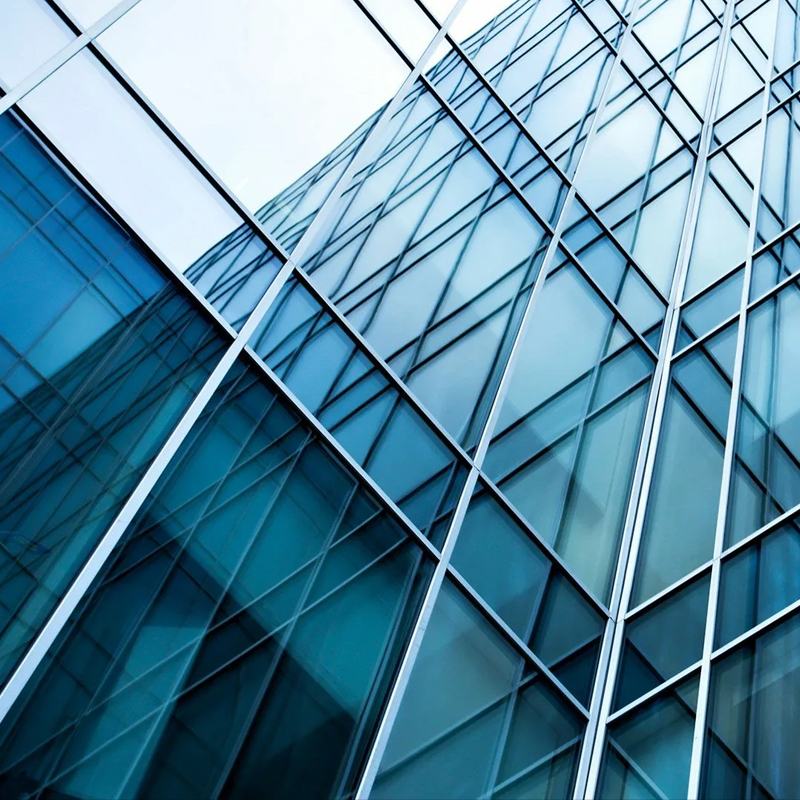
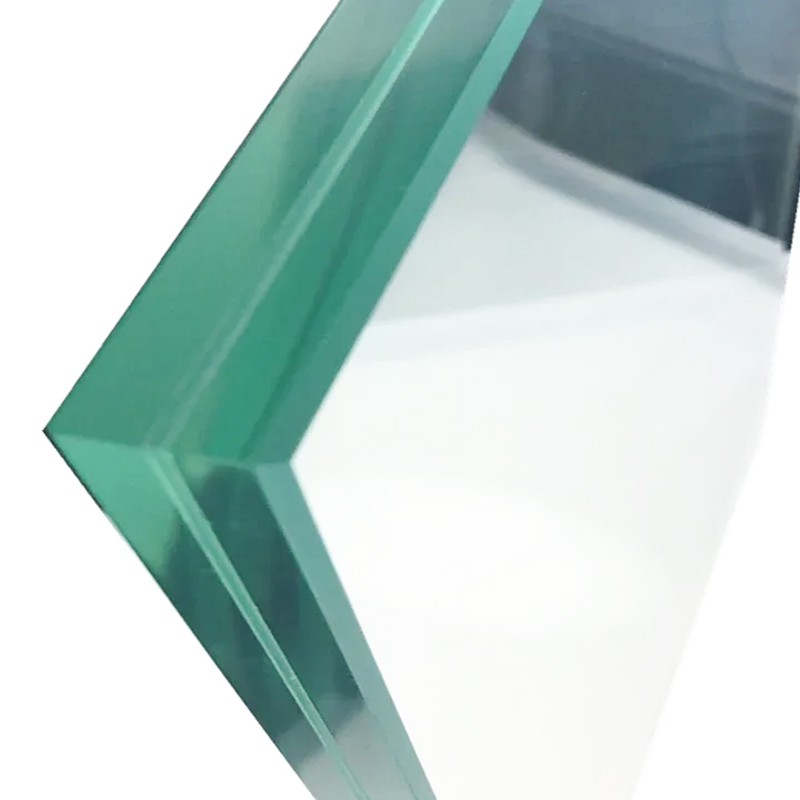
Laminated glass is a type of safety glass produced by bonding two or more layers of flat (or bent) glass together with a PVB (polyvinyl butyral) interlayer under heat and high pressure. It combines transparency with high mechanical strength, and offers UV resistance, thermal insulation, sound insulation, bullet resistance, and explosion resistance. The PVB interlayer acts as a damping layer that filters acoustic waves, reducing vibration amplitude and lowering the transmission of sound. Because of these properties, laminated glass is widely used in architectural facades, curtain walls, skylights, balustrades, and other applications where both safety and performance are critical.
Producing high-quality laminated glass requires strict control at every stage of the manufacturing process. Below are the key points to note during production.
1. Glass Preparation and Interlayer Assembly
The first stage involves cutting the glass to the required size and shape, followed by careful edge finishing. This stage sets the foundation for both the appearance and safety performance of the finished product.
- Cut the glass panels to the specified dimensions and shape according to project requirements.
- Grind and polish the glass edges, which effectively prevents sharp edges from puncturing the silicone vacuum bag during processing.
- Thoroughly clean the glass surface to remove dust, small particles, and residual contaminants; alcohol wipes are recommended for this step.
- Ensure the glass surface is completely free of grease, water marks, or fingerprints before assembly.
- Cut the interlayer film (PVB or EVA) to the appropriate size and place it between the glass layers to form the assembled unit.
2. Pre-Furnace Preparation
Before the assembled glass units enter the lamination furnace, several checks must be completed to ensure a defect-free result and to protect equipment from damage.
- Place the assembled glass units onto the furnace rack, leaving sufficient spacing between panels to prevent sticking during heating.
- Keep the suction nozzle of the silicone vacuum bag unobstructed; a blocked nozzle prevents air from being fully evacuated and can result in defective product. A mesh spacer is recommended to facilitate air extraction.
- Seal the top and bottom of the silicone bag properly, then turn on the vacuum pump to remove all air from inside the bag.
- Before loading into the furnace, always check the vacuum bag for leaks. Any leak must be repaired immediately — a leaking silicone bag must never be placed into the furnace for heating.
3. Heating Process
Once preparation is complete, the loaded rack is pushed into the lamination furnace. Temperature and holding time are set according to the specific requirements of the laminated glass being produced, such as glass thickness, interlayer type, and number of layers. Accurate temperature control at this stage is essential, as insufficient heating can lead to poor adhesion, while excessive heating may cause bubbling or discoloration of the interlayer.
4. Cooling and Unloading
After the heating and holding cycle is complete, the furnace door should only be opened once the internal temperature has dropped below 90°C, at which point the rack can be withdrawn. The silicone bag should not be opened until the glass has cooled to approximately 30°C, at which point the finished laminated glass can be safely removed. Controlled cooling prevents thermal shock and residual stress that could compromise the strength or optical clarity of the finished product.
Process Summary
| Stage | Key Action | Critical Control Point |
|---|---|---|
| Glass preparation | Cutting, edge grinding, cleaning | Surface free of dust and moisture |
| Interlayer assembly | Placing PVB/EVA film between panels | Correct film size and alignment |
| Pre-furnace check | Vacuum sealing and leak testing | No air leakage in silicone bag |
| Heating | Autoclave/furnace lamination cycle | Precise temperature and time control |
| Cooling and unloading | Gradual cooling before opening | Wait until below 30°C before unsealing |