language
 English
 русский
 Español
 عربى
عربى
 中文简体
中文简体

Content
What SGP Film Is and Why It Matters
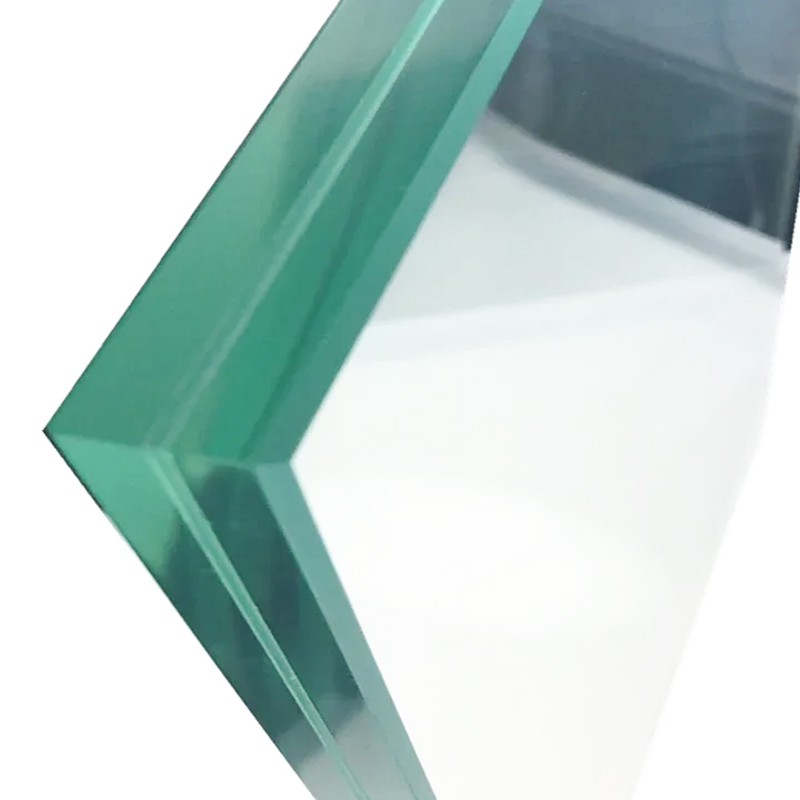
SGP film, or SentryGlas Plus interlayer film, is a high-performance polymer sheet used between glass panes to create laminated safety glass. It is significantly stronger and stiffer than standard PVB (polyvinyl butyral) interlayer film, making it the preferred choice for structural glazing, high-rise facades, hurricane-resistant windows, and safety-critical applications.
In simple terms, SGP film holds shattered glass together after impact, preventing dangerous fragments from falling or flying outward. Beyond basic safety, its exceptional rigidity allows architects and engineers to design thinner, lighter glass panels that still meet demanding load and deflection requirements.
How SGP Film Works Inside Laminated Glass
Laminated glass is made by bonding two or more glass sheets with an interlayer film using heat and pressure in an autoclave process. The interlayer film fuses permanently to both glass surfaces, creating a single composite unit.
SGP film performs this function at a much higher level than conventional interlayers:
- 5 times stiffer than standard PVB, which reduces glass deflection under wind or load.
- Up to 100 times stronger in tear resistance, keeping post-breakage glass panels intact longer.
- High clarity and optical quality, with minimal yellowing even after decades of UV exposure.
- Strong edge stability, reducing delamination risk in humid or wet environments.
When glass laminated with SGP film breaks, the interlayer holds the broken pieces in a rigid, load-bearing configuration rather than collapsing immediately. This is called post-breakage structural integrity, and it is critical for overhead glazing, glass floors, and canopies where a sudden collapse could cause injury.
SGP Film vs PVB Film: A Direct Comparison
Choosing between SGP and PVB depends on the structural demands and budget of the project. The table below summarizes the key differences:
| Property | SGP Film | Standard PVB Film |
|---|---|---|
| Stiffness | Very High (approx. 5x PVB) | Moderate |
| Tear Resistance | Up to 100x stronger | Standard |
| Post-Breakage Integrity | Excellent, load-bearing | Good, but not load-bearing |
| Edge Stability in Humidity | High | Moderate (moisture-sensitive) |
| Optical Clarity | Very High | High |
| Cost | Higher | Lower |
| Typical Applications | Structural, hurricane, overhead | Windows, automotive, standard facades |
For standard residential windows or interior partitions with no structural role, PVB is a cost-effective and well-proven choice. For any application where structural performance, large spans, or extreme weather resistance matter, SGP film delivers measurably better outcomes.
Common Applications of SGP Film
SGP film is used wherever glass must maintain structural integrity under stress, impact, or extreme environmental conditions. The most common applications include:
Structural Facades and Curtain Walls
High-rise buildings use SGP-laminated glass in curtain wall systems where glass panels must resist wind loads exceeding 3 kPa at elevation. The stiffness of SGP film allows engineers to specify thinner glass configurations without sacrificing deflection limits, reducing overall facade weight.
Hurricane and Impact-Resistant Windows
In hurricane-prone regions such as Florida and the Gulf Coast, building codes require impact-resistant glazing. SGP-laminated glass consistently passes large missile impact tests (such as ASTM E1996) at higher performance levels than PVB equivalents of the same thickness. This means homeowners can use lighter frames while still meeting code.
Glass Floors, Staircases, and Overhead Glazing
Any glass surface that people walk on or that is installed overhead requires post-breakage structural integrity. SGP film keeps broken glass panels rigid enough to support loads temporarily after fracture, giving occupants time to evacuate safely. Glass bridges and observation decks in museums and commercial buildings routinely specify SGP for this reason.
Skylights and Canopies
Overhead glass exposed to snow loads, hail, or falling objects must not collapse suddenly if broken. SGP film provides the residual load-bearing capacity required by EN 356 and similar international standards for overhead glazing.
Blast and Security Glazing
Government buildings, embassies, and critical infrastructure use SGP laminated glass in security glazing systems. The film absorbs and distributes blast energy, significantly reducing the fragmentation hazard compared to monolithic or PVB-laminated glass. Tests following GSA TS01 and EN 13541 standards demonstrate that SGP glass retains fragments far more effectively under explosive loading.
Available Thicknesses and Formats
SGP film is available in several standard thicknesses to suit different structural requirements:
- 0.89 mm (35 mil) - The most common thickness, used in the majority of structural and hurricane-resistant applications.
- 1.52 mm (60 mil) - Used for demanding structural applications such as glass floors and high-security glazing.
- 2.28 mm (90 mil) - For maximum performance applications including multi-layer blast-resistant panels.
The film is supplied in rolls and cut to size at the glass fabrication facility before lamination. Standard roll widths range from 1,524 mm to 3,300 mm, accommodating both standard and jumbo glass formats commonly used in architectural projects.
Processing and Fabrication Requirements
SGP film requires careful handling and specific processing conditions during lamination. Key fabrication requirements include:
- Controlled storage: SGP film must be stored in a cool, dry environment below 15 degrees Celsius to prevent premature tack development.
- Clean room conditions: Dust and contamination on the film surface before lamination can cause visible inclusions in the finished glass. Fabricators typically use cleanroom protocols.
- Autoclave processing: SGP film is processed at temperatures around 130 to 145 degrees Celsius and pressures of approximately 12 to 14 bar. These conditions are slightly more demanding than standard PVB processing.
- Edge sealing: Because SGP film has very low moisture absorption, edge sealing requirements are less critical than for PVB. However, exposed edges in harsh environments still benefit from polished or sealed edges to maintain long-term optical quality.
Not all glass fabricators are equipped to process SGP film. Architects and specifiers should confirm that their chosen fabricator has autoclave equipment and experience with ionoplast interlayer processing before finalizing specifications.
Relevant Standards and Certifications
SGP-laminated glass is tested and certified under a range of international standards depending on the application:
- ASTM E1300 - Standard practice for determining load resistance of glass in buildings. SGP interlayer properties are included in the calculation methods.
- ASTM E1996 / E1886 - Hurricane impact and cyclic pressure testing for impact-resistant glazing products.
- EN 356 - European standard for anti-attack and overhead glazing, classifying glass resistance to manual attack and accidental impact.
- EN 13541 - European standard for explosion-resistant security glazing.
- ISO 16933 / 16934 - International standards for blast-resistant glazing performance.
Specifiers should request test reports and certification documentation from glass fabricators to confirm that the finished laminated glass product, not just the interlayer film alone, meets the required standard for the intended application.
Cost Considerations
SGP film carries a higher material cost than standard PVB. On a per-square-meter basis, SGP interlayer film typically costs 3 to 5 times more than acoustic or standard PVB film. For a large facade project, this difference can represent a significant budget line.
However, the total installed cost calculation often favors SGP because:
- Thinner glass can be specified to achieve the same structural performance, reducing glass material cost and dead load on the structure.
- Fewer glass plies may be needed to meet deflection limits, simplifying fabrication.
- Reduced risk of costly glass replacement after impact events, particularly in hurricane zones.
For projects where the glass performs a structural role or must withstand extreme conditions, the lifecycle cost of SGP-laminated glass is generally more competitive than a simple material cost comparison suggests.