language
 English
 русский
 Español
 عربى
عربى
 中文简体
中文简体

Content
- 1 The Primary Use: Safety Laminated Glass for Construction
- 2 Solar Panel Encapsulation: A High-Volume Application
- 3 Automotive Glass: Windscreens and Specialized Glazing
- 4 Decorative and Artistic Glass Applications
- 5 EVA Film vs. PVB Film: Choosing the Right Interlayer
- 6 Niche and Emerging Applications Worth Knowing
- 7 What to Look for When Sourcing EVA Film
EVA film — short for ethylene-vinyl acetate film — has quietly become one of the most versatile interlayer materials in modern manufacturing. As a supplier who works with glazing fabricators, solar panel producers, and automotive manufacturers daily, we see firsthand how broad and growing the demand for this material really is. Whether you're evaluating it as a replacement for PVB interlayer or exploring it for a new application, understanding exactly where and how EVA film performs will help you make a more informed sourcing decision.
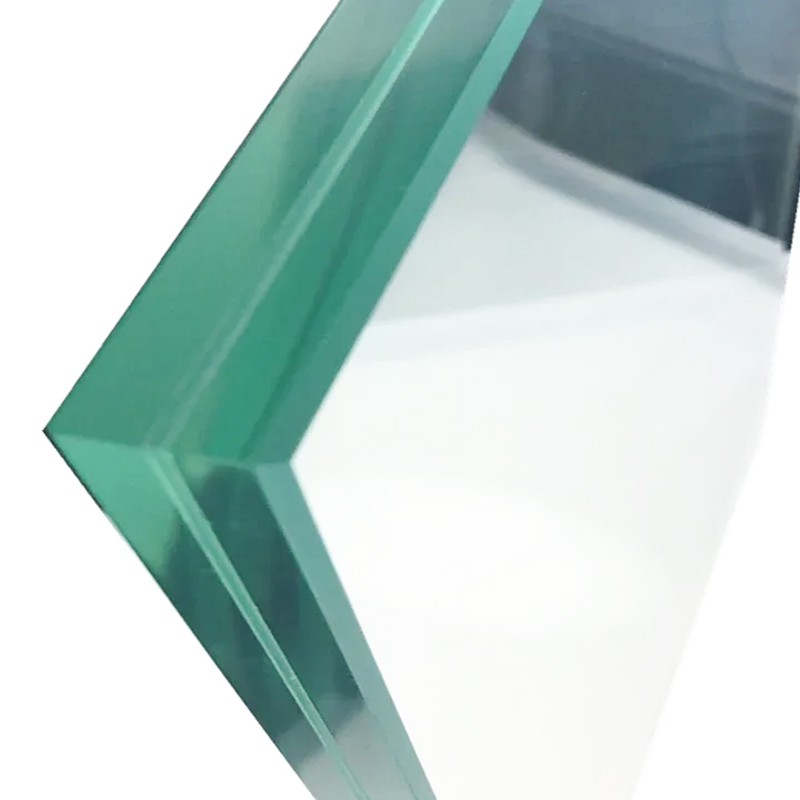
EVA film is a thermoplastic copolymer made from ethylene and vinyl acetate. It is processed through heat lamination — typically in a vacuum laminator or autoclave — to bond two or more layers of glass or other substrates together. The result is a composite panel with significantly improved safety, optical clarity, moisture resistance, and structural integrity compared to a single-pane equivalent.
The Primary Use: Safety Laminated Glass for Construction
The construction industry accounts for the largest share of EVA film consumption globally. It is used as the interlayer material in safety laminated glass for building facades, curtain walls, skylights, interior partitions, floor glass, staircases, balustrades, and frameless glass doors.
The core safety function is straightforward: when laminated glass breaks, EVA film holds the shards in place rather than allowing them to scatter. This meets the structural requirements of safety glazing standards in most countries — including EN ISO 12543 in Europe and GB 15763.3 in China.
Beyond fragment retention, EVA film offers several performance benefits relevant to architectural glazing:
- UV blocking: Standard EVA film filters out more than 99% of UV radiation, which protects interior furnishings and reduces solar heat gain.
- Sound attenuation: The viscoelastic nature of the EVA interlayer dampens acoustic vibrations, making it suitable for buildings near airports, highways, or urban centers.
- Moisture resistance: Unlike some PVB formulations, EVA film has low moisture absorption, making it a practical choice for humid climates or partially exposed glass installations.
- Optical clarity: High-transparency EVA grades achieve light transmittance above 90%, which is critical for facades where visual aesthetics matter.
One practical advantage that makes EVA attractive to glass fabricators is the simplified lamination process. Traditional wet-process laminated glass requires mixing and curing liquid resins, which involves longer cycle times and more complex quality control. EVA film, by contrast, can be laminated using a one-step dry process in a flat-bed or roll-to-roll laminator, significantly reducing processing time and equipment investment.
Solar Panel Encapsulation: A High-Volume Application
The photovoltaic industry is the second major driver of EVA film demand, and it is growing rapidly. In solar panel manufacturing, EVA film serves as the encapsulant layer that surrounds and protects the photovoltaic cells sandwiched between the front glass and back sheet.
The encapsulant must do several things simultaneously: bond the cell assembly firmly to protect against mechanical stress, block moisture ingress that would degrade electrical performance, maintain optical transparency to maximize light transmission to the cells, and remain stable across a temperature range typically spanning from −40°C to +85°C over a module lifetime of 25+ years.
EVA film has been the dominant solar encapsulant for decades because it meets this combination of requirements at a cost that makes large-scale panel production viable. Global solar capacity additions exceeded 400 GW in 2023 alone, which translates directly into hundreds of thousands of tonnes of encapsulant film consumed annually.
Key Requirements for Solar-Grade EVA Film
- Low yellowing index after UV exposure (typically YI < 3 after 1,000 hours of UV aging)
- High cross-linking degree after lamination (≥75% per IEC 61215)
- Volume resistivity above 10¹³ Ω·cm to prevent electrical leakage
- Low water vapor transmission rate (WVTR) to maintain moisture protection
Solar-grade EVA differs meaningfully from construction-grade EVA in its additive package, particularly in UV stabilizers, antioxidants, and cross-linking agents. Sourcing the wrong grade for solar applications can lead to premature delamination or cell degradation — a costly failure mode for any panel manufacturer.
Automotive Glass: Windscreens and Specialized Glazing
Automotive glazing is another established application. While PVB film has historically dominated automotive windscreen lamination due to its well-documented impact and acoustic performance, EVA film is increasingly used in sunroof panels, side windows, and decorative interior glass elements where its processing flexibility and moisture resistance offer manufacturing advantages.
In automotive contexts, EVA film is also used in heads-up display (HUD) glass, where optical distortion must be tightly controlled. Its ability to be laminated at relatively lower temperatures compared to some alternatives reduces the risk of glass deformation during production — an important consideration for curved automotive glass components.
For specialty vehicles, bulletproof glass assemblies sometimes incorporate EVA alongside polycarbonate sheets to build up multi-layer transparent armor. The EVA layer acts as an adhesive interlayer, holding the composite together after ballistic impact.
Decorative and Artistic Glass Applications
EVA film's compatibility with a wide range of interlayer materials has made it popular in decorative laminated glass. Fabricators use it to encapsulate fabrics, printed films, metal meshes, papers, and natural materials — such as leaves or wood veneer — between glass panels to create architectural feature glass for interiors.
Because EVA bonds reliably to non-glass substrates at lower lamination temperatures than some competing interlayers, it causes less thermal distortion to delicate embedded materials. This makes it the preferred choice for artisan glass studios and interior fit-out contractors producing bespoke feature panels for hotels, retail environments, and high-end residences.
| EVA Film Type | Primary Use | Key Property |
|---|---|---|
| Highly Transparent EVA | Architectural glass, solar encapsulation | Light transmittance >90%, low haze |
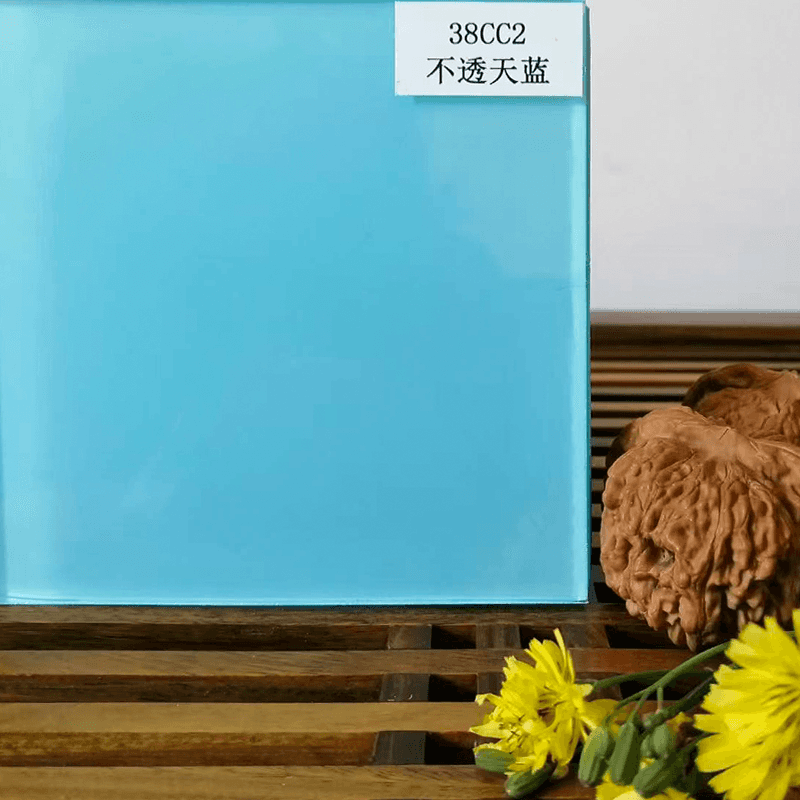
| Color EVA Film | Decorative and artistic glass | Wide color range, UV stability |
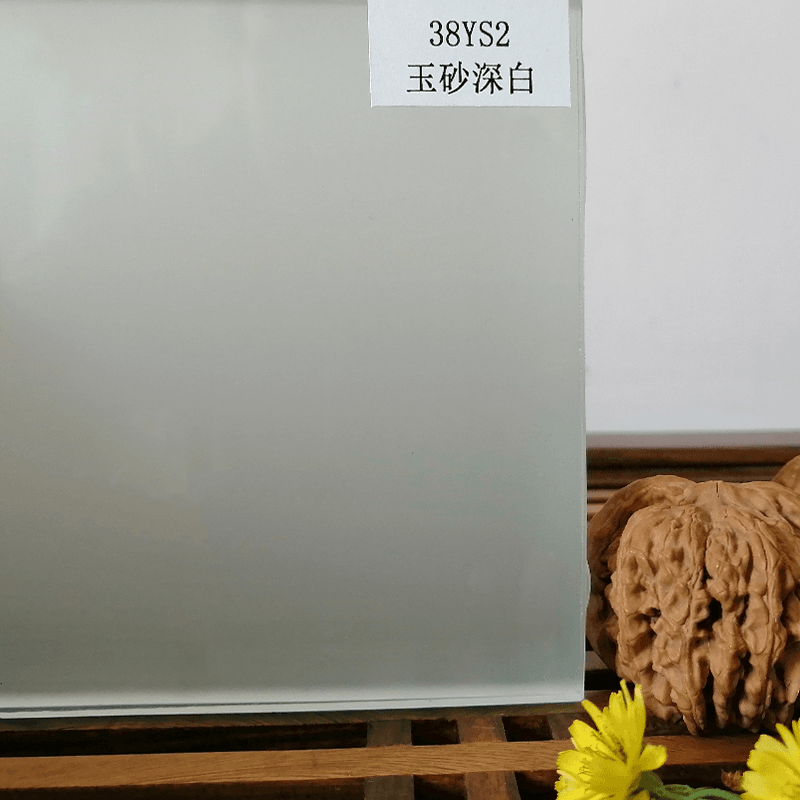
| Jade Sand EVA Film | Privacy glass, interior partitions | Translucency, diffused light transmission |
Color EVA film, for example, is widely adopted in artistic glass production, enabling consistent tinting across large glass panels without the optical inconsistencies that can occur with tinted glass coatings. Jade sand EVA film provides a frosted appearance that diffuses light, offering privacy while still allowing natural light to pass through — a balance that clear glass or solid partitions cannot achieve.
If you are sourcing interlayer film for decorative or architectural glass production, our EVA lamination film product range covers highly transparent, color, and jade sand grades to suit different design and performance requirements.
EVA Film vs. PVB Film: Choosing the Right Interlayer
One question we encounter regularly from fabricators is whether to use EVA film or PVB film for a given application. The answer depends on the specific performance requirements and production setup.
| Property | EVA Film | PVB Film |
|---|---|---|
| Processing method | Vacuum laminator (no autoclave required) | Autoclave or nip-roll process |
| Moisture resistance | High | Moderate (requires dry storage) |
| Adhesion to non-glass substrates | Excellent | Limited |
| Impact resistance | Good | Excellent |
| Acoustic performance | Moderate | High (especially acoustic PVB grades) |
| Cost | Generally lower | Generally higher |
EVA film is typically the better choice when the fabricator does not have autoclave equipment, when the glass will be used in humid environments, when non-glass materials are being encapsulated, or when the primary application is solar panel encapsulation. PVB film tends to be preferred for automotive windscreens, high-performance acoustic glazing, and applications where maximum impact resistance is required.
For customers evaluating both options, we produce both EVA and PVB interlayer film, and we're able to advise on the appropriate grade based on your specific lamination process and end-use requirements.
Niche and Emerging Applications Worth Knowing
Beyond the mainstream uses, EVA film is seeing adoption in a number of more specialized applications that reflect the material's adaptability:
Smart Glass and PDLC Film Lamination
EVA film is increasingly used to laminate polymer dispersed liquid crystal (PDLC) switchable films between glass panes, creating smart glass panels that switch between transparent and opaque states with an electrical signal. Its low lamination temperature helps protect the sensitive liquid crystal layer, and its strong adhesion to plastic substrates ensures long-term bond integrity.
Aquarium and Underwater Glass
Large aquariums and underwater viewing panels use thick laminated glass assemblies where moisture resistance is critical. EVA film's near-zero water absorption rate makes it well suited for sustained submersion or high-humidity exposure, where conventional PVB interlayers would risk delamination over time.
Aerospace and Defense Glazing
In aerospace applications, EVA film is used in multi-layer transparent panels for aircraft cabin windows and certain cockpit glazing assemblies. Its ability to bond dissimilar substrates — including polycarbonate and acrylic — in multi-ply constructions is particularly relevant here, where the layered composite must meet strict optical and ballistic performance standards.
What to Look for When Sourcing EVA Film
Not all EVA film on the market is equivalent. For buyers evaluating suppliers, the following parameters are worth specifying explicitly in your procurement requirements:
- Vinyl acetate (VA) content: Higher VA content (typically 28–33%) increases transparency and adhesion but can reduce stiffness. The appropriate VA content depends on the application.
- Film thickness: Standard architectural grades run from 0.38 mm to 0.76 mm. Solar encapsulant films are often thinner. Custom thicknesses can be produced for demanding structural applications.
- Cross-linking performance: Ask for cross-linking degree data under your planned lamination parameters. Insufficient cross-linking leads to creep and bond failure over time.
- UV aging resistance: Request UV aging test data, particularly if the glass will face direct sun exposure. YI (yellowing index) and transmittance retention after accelerated aging are the key metrics.
- Certifications: For construction applications, look for ISO 9001 quality management certification as a minimum baseline. Environmental management certifications (ISO 14001) indicate a supplier's commitment to responsible production practices.
As a manufacturer with dedicated EVA film production lines and the flexibility to accommodate OEM and custom orders, we regularly supply technical data sheets and sample rolls to customers evaluating our film before committing to full production orders.