language
 English
 русский
 Español
 عربى
عربى
 中文简体
中文简体

Content
What Is PVB Film for Architecture Glass?
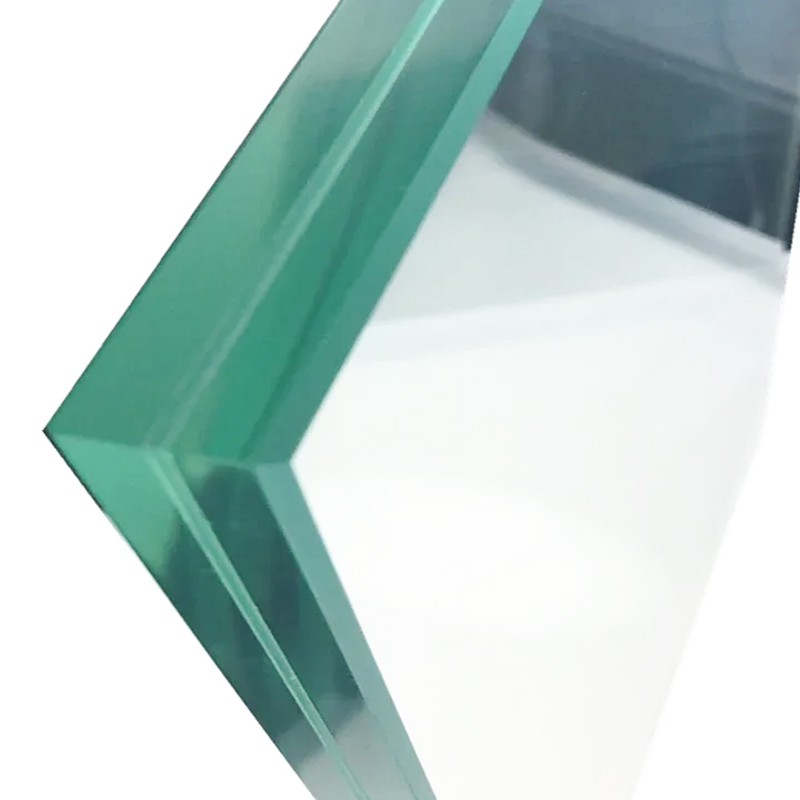
PVB film for architecture glass is the interlayer that determines how a laminated glass unit behaves when it breaks. It is made from polyvinyl butyral resin, with plasticizers and adhesion modifiers that give the film flexibility, toughness, and a strong bond to glass. In a typical architectural glass unit, the film is sandwiched between two panes of glass and fused under heat and pressure in an autoclave. The result is a transparent glazing element that holds broken fragments together instead of letting them fall.
This section of the building envelope is often taken for granted, but the choice of interlayer has direct consequences. A 6 mm pane without an interlayer can produce sharp shards on impact. A laminated pane with a 0.76 mm PVB film will remain in the frame, with fragments attached to the film. For skylights, balustrades, and storefronts, such post-breakage behavior is a life-safety feature, not an option.
Why Architectural Glazing Uses PVB Film
Architectural glazing must balance transparency, protection, and comfort. PVB film supports these needs through several measurable functions.
Safety and impact resistance
The core function of PVB film is to keep glass fragments bonded after breakage. Laminated glass containing a PVB interlayer passes impact tests such as drop-ball and pendulum methods in building standards. For overhead glazing, skylights, and balustrades, this post-breakage behavior is often a legal requirement, not a preference.
UV blocking and optical clarity
Standard PVB film blocks most UV radiation (typically more than 99%) while letting visible light pass through with high clarity. This protects indoor furnishings and reduces UV-related discoloration of textiles and flooring. It also means the interlayer can be used in transparent glazing without compromising daylight.
Sound attenuation
Acoustic PVB films are formulated with a softer viscoelastic core that converts sound energy into small amounts of heat. Laminated glass with such interlayers is often used near roads, airports, and train lines. Even a single acoustic PVB layer can noticeably reduce transmitted noise.
Solar heat and glare control
Heat-insulating PVB films contain infrared-reflective particles or layers that lower solar heat gain. In climates with strong summer heat, this interlayer helps reduce air conditioning load while maintaining daylight. It also reduces glare in offices and retail spaces.
Design flexibility
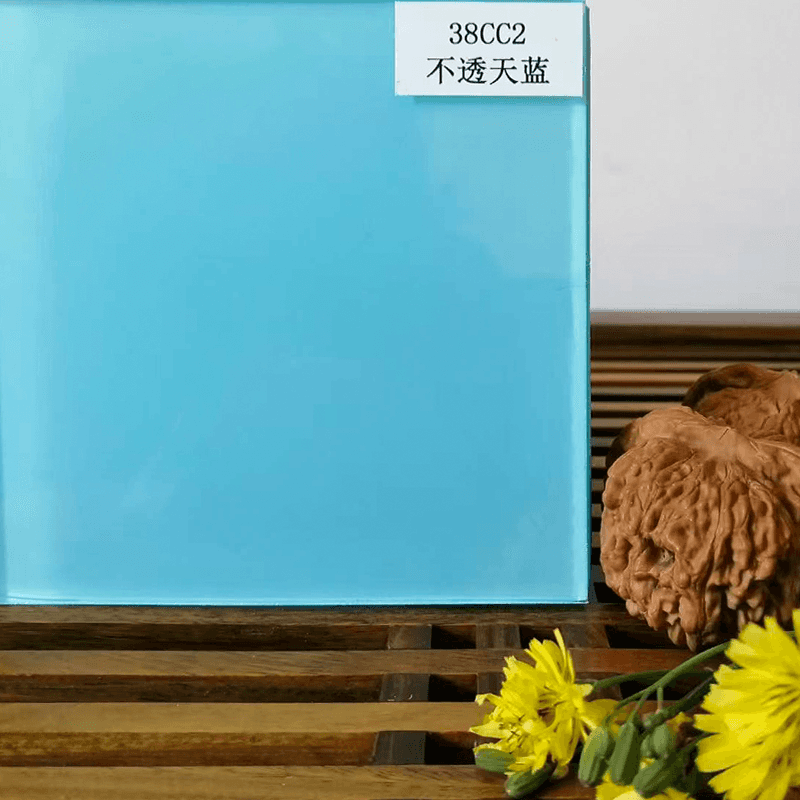
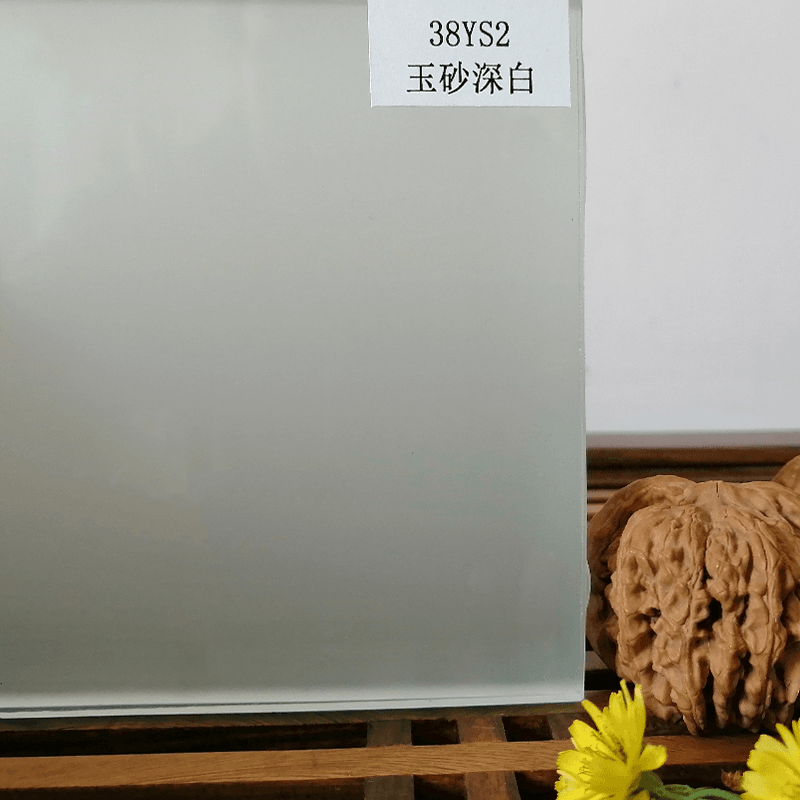
PVB film is available in several colors and translucent finishes. A colored PVB interlayer can be combined with clear or tinted glass to create branded lobby partitions, meeting room frosted effects, or decorative panels. The interlayer remains part of the laminated structure, so the decorative effect is protected from scratches and dirt.
Thickness Options and Their Impact on Performance
Choosing the right PVB film thickness is one of the most practical decisions in glass lamination. Thickness is generally measured in millimeters, with 0.38 mm being the nominal single-layer thickness. The table below shows common values and typical architectural applications.
| Thickness | Typical application | Key effect |
|---|---|---|
| 0.38 mm | Small windows, interior partitions, spandrel glass | Meets basic safety glazing requirements; lower cost |
| 0.76 mm | Facades, entrances, skylights, high-risk human impact areas | Better impact resistance and fragment retention |
| 1.14 mm | Vandal-resistant glazing, larger panels, roofing | Increased stiffness and load resistance |
| 1.52 mm or more | Security glass, hurricane/windstorm glazing, attack-resistant assemblies | High post-breakage performance and longer resistance time |
As a general rule, thicker PVB film improves penetration resistance and post-breakage stability. It also adds to the laminated glass thickness, which affects frame design and weight. Acoustic and heat-insulating versions are available in the same dimensional ranges, so the interlayer thickness and the functional type can be selected independently.
For large architectural panels, the width of the film roll matters as much as its thickness. A wide roll reduces the need for horizontal seams in oversized glass units. This is one reason PVB film for architectural versus automotive glass specifications differ: building projects demand larger, wider interlayers than car windshields.
How PVB Film Compares with Other Interlayers
PVB is the most common interlayer in architectural laminated glass, but it is not the only option. EVA and SGP serve specific situations. The comparison below helps processors and specifiers decide when to stay with PVB and when to look elsewhere.
| Material | Typical benefit | Best-use scenario |
|---|---|---|
| PVB | Good optical quality, proven safety performance, wide range of thicknesses and colors | Facades, partitions, skylights, acoustic and solar control glazing |
| EVA | High adhesion to glass and other materials, good moisture resistance in some formulations | Decorative lamination, photovoltaic modules, some fabric-backed panels |
| SGP (ionomer) | Very high strength and stiffness, superior post-breakage retention | Structural glazing, hurricane zones, security glass, long-span assemblies |
EVA interlayers are suitable for decorative projects where PVB is not needed for impact performance. SGP offers more load-bearing capacity but at a higher raw-material cost and with a harder processing profile. For most building envelopes, PVB film offers the best balance of performance, handling, and price. A deeper look at how PVB compares with EVA interlayer films can help align the choice with a specific project.
Key Buying Considerations for Architectural PVB Film
When purchasing PVB film for architectural glass, the goal is to get a product that laminates cleanly, meets the required performance, and arrives with traceable quality data. The following points are worth reviewing before placing an order.
- Optical quality and consistency: Check haze, yellow index, and thickness uniformity. Good film should not create visible distortions in large glass panels. Many specifiers evaluate a architectural PVB interlayer film
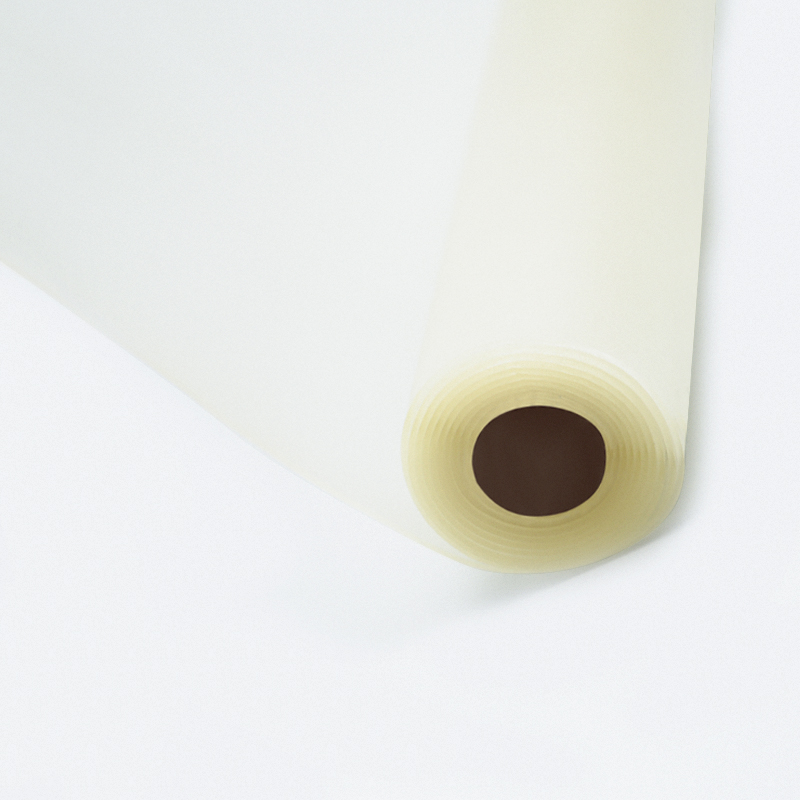 Architectural PVB Interlayer Film Suppliers, Wholesale Company - Jiangsu DaruiheDaruihengte - Architectural PVB Interlayer Film Suppliers and Wholesale Architectural PVB Interlayer Film Company in China,PVB interlayer...View Product → sample before approving a vendor.
 - Moisture resistance and storage: PVB is hygroscopic. Film that has absorbed moisture creates bubbles during autoclaving. Confirm the supplier’s packaging and recommended storage conditions. Following handling and storage practices for PVB interlayer film reduces processing defects.
- Acoustic performance: For facades near roads or rail lines, select a PVB sound insulation interlayer film
 PVB Sound Insulation Interiayer Film Suppliers, Wholesale Company - Jiangsu DaruDaruihengte - PVB Sound Insulation Interiayer Film Suppliers and Wholesale PVB Sound Insulation Interiayer Film Company in China,HT-S ser...View Product → to lower transmitted noise while keeping the glazing assembly slim.
 - Design and color: If the project uses branding, privacy, or decorative elements, a colored PVB interlayer film
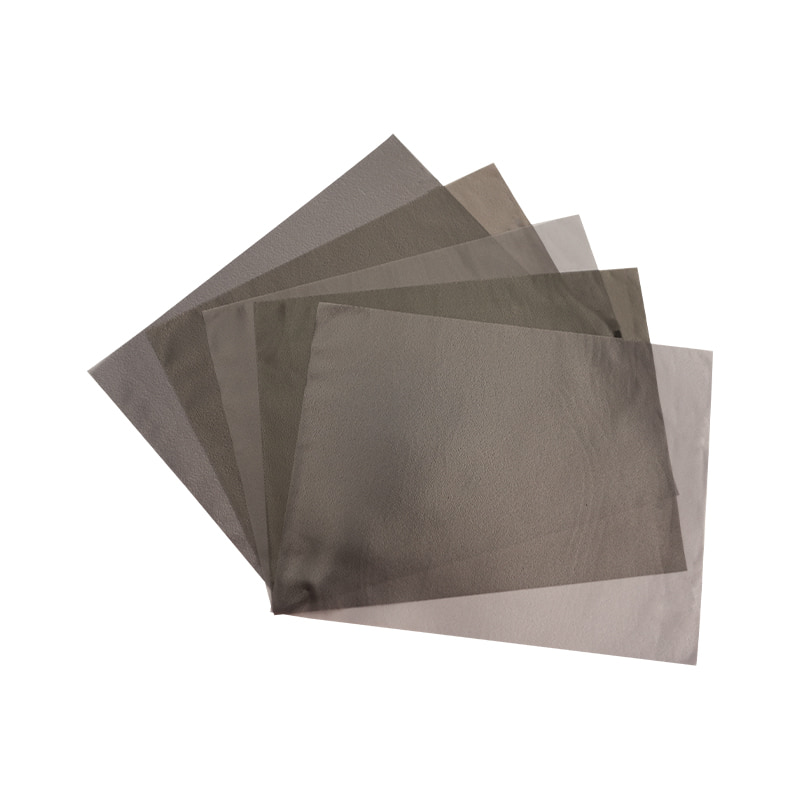 Colored PVB Interlayer Film Suppliers, Wholesale Company - Jiangsu Daruihengte SDaruihengte - Colored PVB Interlayer Film Suppliers and Wholesale Colored PVB Interlayer Film Company in China,Product FeaturesA combinat...View Product → offers fade-resistant patterns and consistent translucency.
 - Quality certification: Manufacturers with ISO 9001 and ISO 14001 systems are more likely to deliver repeatable product. Their inspection equipment should cover thickness, width, scratch defects, and moisture content before shipping.
- Width and supply capacity: For large glazing orders, film width affects yield and seam placement. A supplier that operates wide-width lines can support continuous production and reduce cutting waste.
By comparing these factors, a glass processor can avoid costly re-lamination and field failures. PVB film may look similar on the surface, but the differences between suppliers become visible during cutting, autoclaving, and installation.
Wide-Width PVB Film Production: What It Means for Your Project
Wide-width PVB film reduces the number of splices and edge-to-edge seams in large laminated glass units. For this reason, production capability is a strategic consideration for architectural glass manufacturers. Our PVB interlayer lines are equipped with a 3.6-meter automatic die system, which allows consistent film width for large-format projects. Combined with full inspection systems, the goal is to deliver film with stable thickness and flatness from edge to edge.
In addition to architectural PVB film, the production range includes automotive PVB, EVA interlayers, and SGP film. This multi-material capability lets a processor source several interlayer types from one supplier. The company holds ISO 9001:2015 and ISO 14000 certifications and uses a dedicated R&D team to support process troubleshooting and performance testing.
For an architectural project, the first step is simple: confirm the required thickness, width, color, and acoustic or heat-control functions, then match them with a reliable film supplier. That is the fastest way to turn a glazing specification into an efficient production order.